
Benchslapped By Fort Myers Disability Judge
Claimants Decry Unfair Hearings as Decisions Overturned Amid Bias Furor


NOTE: This piece first appeared on FLGulfNews.com.

By Dick LaFontaine
Appeals Council Puts Judge on Notice
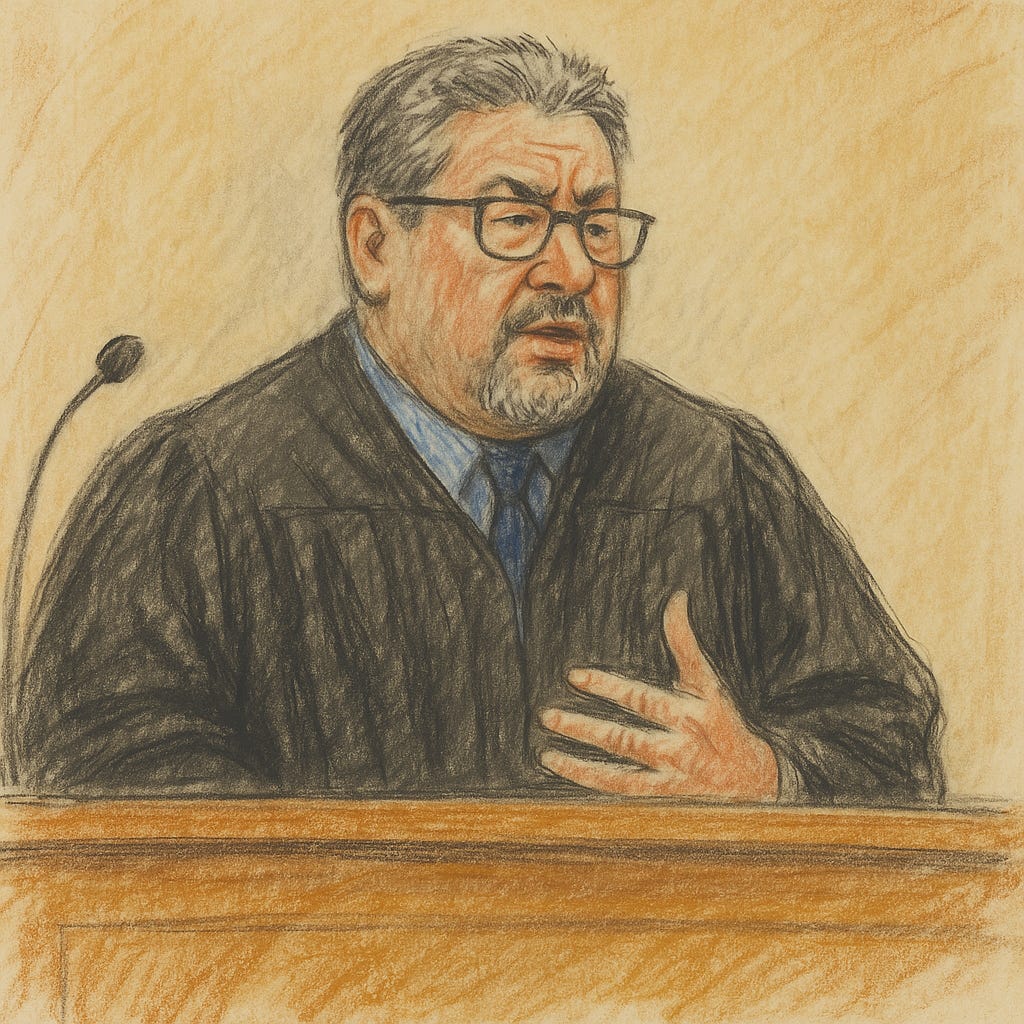
Appeals officials are repeatedly slapping down the decisions of a Social Security disability judge in Florida, raising alarm about his handling of cases. Judge Ryan Johannes, an administrative law judge in Fort Myers, has seen an unusually large share of his unfavorable rulings corrected by the Social Security Appeals Council.
That council – a panel of judges reviewing appealed cases – has vacated or reversed many of Johannes’s denials, an extraordinary step meant for clear errors. Internal data show that in one recent period, the Appeals Council remanded 16 cases and outright reversed 2 of Johannes’s decisions.
In other words, over one in five of his rulings that reached the council were deemed so flawed that they had to be fixed. “This review is extremely limited,” the Social Security Administration (SSA) itself cautions – the Appeals Council will only upset a hearing judge’s decision if the judge “has clearly not followed the rules” for weighing evidence.
Yet in Judge Johannes’s courtroom, higher authorities found reasons to intervene again and again. His record stands out starkly. Nationwide, the Appeals Council remands less than 15% of disability cases and approves just 1% outright, usually leaving the vast majority of judges’ decisions intact.
Johannes’s high correction rate suggests a troubling pattern: according to veteran attorneys, it’s a red flag that this judge’s unfavorable decisions frequently don’t hold up under scrutiny.
“Imagine a doctor where twenty percent of his surgeries had serious problems,” the unnamed lawyer said. “He’d probably lose his scalpel.”
Social Security claimants and advocates are now pointing to the numbers as hard evidence that something is amiss in Judge Johannes’s hearing room.
Unfavorable Rulings Often Flawed
The statistical drumbeat is backed by first-hand accounts that paint Judge Johannes as unfair and dismissive of critical evidence. Disability claimants who appeared before him describe feeling railroaded – and then vindicated when appeals authorities later set things right.
“They forced me to go to the Appeals Council just to make my life harder than it already is,” one frustrated applicant wrote on a judge review site, saying the ordeal pushed them to “the beginnings of a nervous breakdown.”
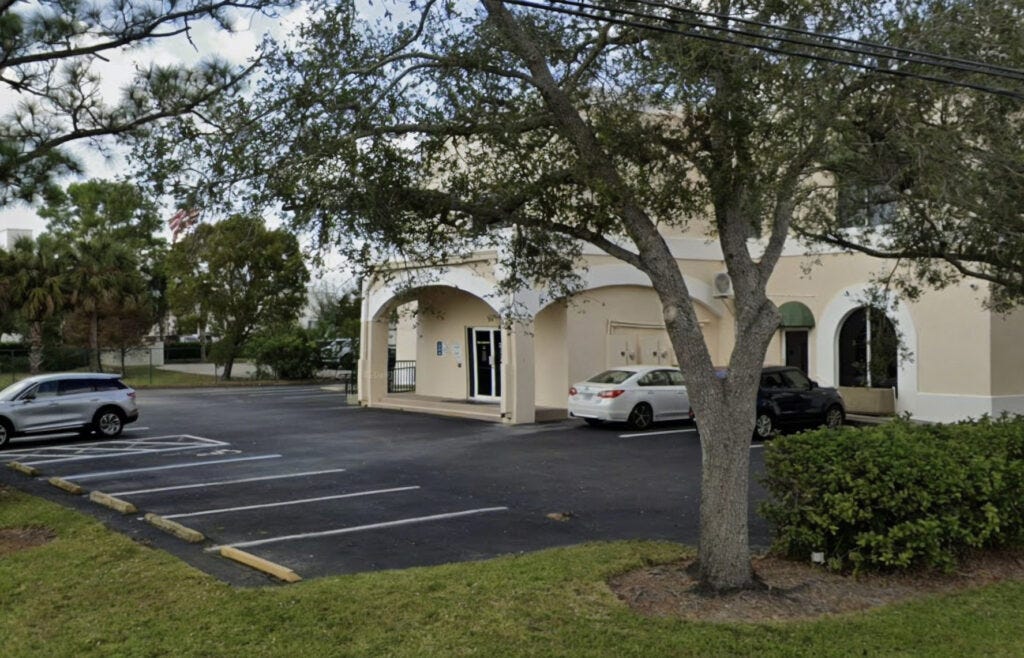
Johannes denied another claimant’s case, citing testimony they insisted was bogus.
“The testimony by Nicholas Fidanza was all lies, and the decision should be overruled ASAP,” the person blasted in an online comment, referring to the vocational expert who testified against their disability claim. Far from an impartial expert, Fidanza was described by multiple claimants as the judge’s “buddy” – one alleging that Johannes wouldn’t even let them speak in their own defense.
“He didn’t allow me to testify on my behalf, had his buddy Nicholas Fidanza testify against me and…,” a claimant recounted, claiming the judge effectively shut down any contrary evidence.
In another case, a disabled worker tried to cross-examine Mr. Fidanza’s job testimony only to be rebuffed by Johannes, who then issued a swift denial.
“Judge Johannes is a corrupt, unlawful, and ignorant judge,” that individual fumed on DisabilityJudges.com, accusing him of refusing to let them “explain my problems” or challenge the vocational witness.
Such scathing reviews are piling up, all striking a similar theme – that Johannes tilts the process against claimants, ignores medical evidence, and short-circuits fair testimony.
“When a judge doesn’t agree with the evidence he is presented…,” one commenter seethed, suggesting Johannes tosses aside facts that don’t fit his conclusion.
Little wonder the Appeals Council so often has to step in to clean up the mess.
Judge Johannes’s Record under Fire
Ironically, Judge Johannes’s overall approval rate is not the lowest. But it’s the way he denies claims that has sparked an outcry.
Seasoned Social Security lawyers note that most judges have only a small fraction of decisions overturned on appeal. By contrast, Johannes’s high reversal/remand tally suggests that when he says “no,” he might be getting it wrong far more often than his peers.
“It’s not normal to see that many decisions kicked back – it means he blew it,” says one attorney familiar with the Fort Myers hearing office.
The SSA’s own guidelines emphasize that judges have wide discretion on credibility and evidence. Yet Johannes appears to be pushing those limits to the breaking point. The Appeals Council’s corrections indicate he failed to follow procedure or consider key evidence in numerous cases – a serious charge in an arena governed by strict federal rules.
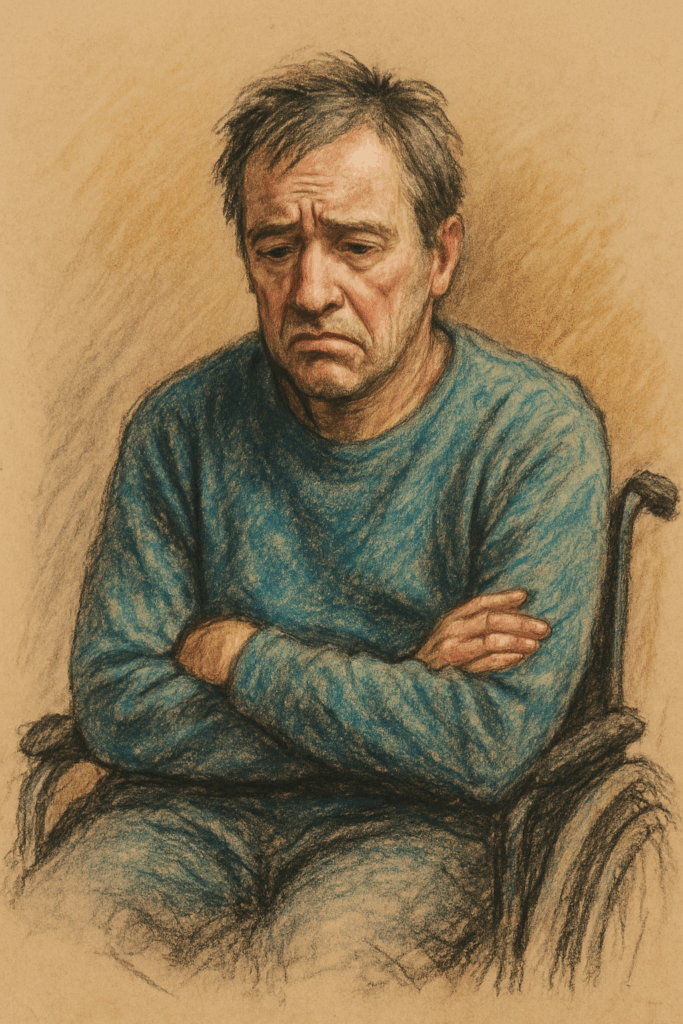
Advocates worry that dozens of disabled people may have been unjustly denied benefits and forced into lengthy appeals. The SSA does have mechanisms to monitor judge performance, including quality reviews and training, but it rarely publicizes disciplinary action.
Claimants’ representatives are now calling on the agency to investigate Judge Johannes’s practices and institute reforms. Some suggest mandatory re-training or even removal if a judge shows a persistent pattern of unfair hearings.
For now, those who lost cases in Johannes’s courtroom take cold comfort in knowing the Appeals Council often has their back.
“It shouldn’t take a years-long appeals to get justice,” says one advocate, “but thank God the Appeals Council is catching these mistakes.”
In the court of public opinion – and in the data – Judge Johannes is increasingly looking like a renegade on the bench, and the backlash is only growing louder.
Pressure Mounts Amid Calls for Fairness
The uproar surrounding Judge Johannes comes at a time of heightened scrutiny on Social Security’s hearing process. Disability applicants often endure years of waiting for a hearing, only to encounter what they feel is a deck stacked against them.
Accusations of bias or brusque treatment by administrative judges are not new, but concrete proof is usually hard to come by. In Johannes’s case, the combination of hard data and personal horror stories is proving damning.
Each remand order from the Appeals Council is effectively a judicial do-over, an official statement that Johannes’s decision was deficient enough to warrant another judge’s review. Insiders say multiple remands against one ALJ in a short span is a bright red flag.

“It’s extremely rare for the Appeals Council to yank cases back unless the judge clearly messed up,” explains a former SSA lawyer.
Johannes’s apparent track record of errors not only harms claimants, critics argue, but also burdens the system with unnecessary do-overs. With lives and livelihoods on the line, advocates insist that every hearing be conducted with the utmost fairness. Instead, they say Johannes’s courtroom has been a source of avoidable injustice.
Public pressure is mounting: advocacy groups in Florida are compiling case files and may petition SSA officials regarding Johannes, while online forums are swelling with calls for accountability. Thus far, SSA has not commented on any individual judge. But the agency has, in the past, reassigned judges or ordered reviews when patterns of unfairness emerged.
As the spotlight intensifies on Judge Johannes, many hopeful eyes are watching to see if the Social Security Administration will step in. In the meantime, disability claimants scheduled to appear before him are being advised to come armed with strong representation – and the knowledge that if they get an unfavorable decision, the fight may just be beginning.
“We shouldn’t have to appeal to get a fair shake,” says one claimant now awaiting a rematch after a Johannes denial was overturned. “No one facing disability should go through what we did.”
The clamor for fairness in Judge Johannes’s court shows no sign of quieting – and with each overturned decision, the calls for reform only grow louder.
