
Charlotte County Judge Picks – The Good, The Bad, and The Ugly
Judicial Hopefuls Face the Commission—Some Soar, Others Stumble


NOTE: This piece first appeared on FLGulfNews.com.

By Richard Luthmann
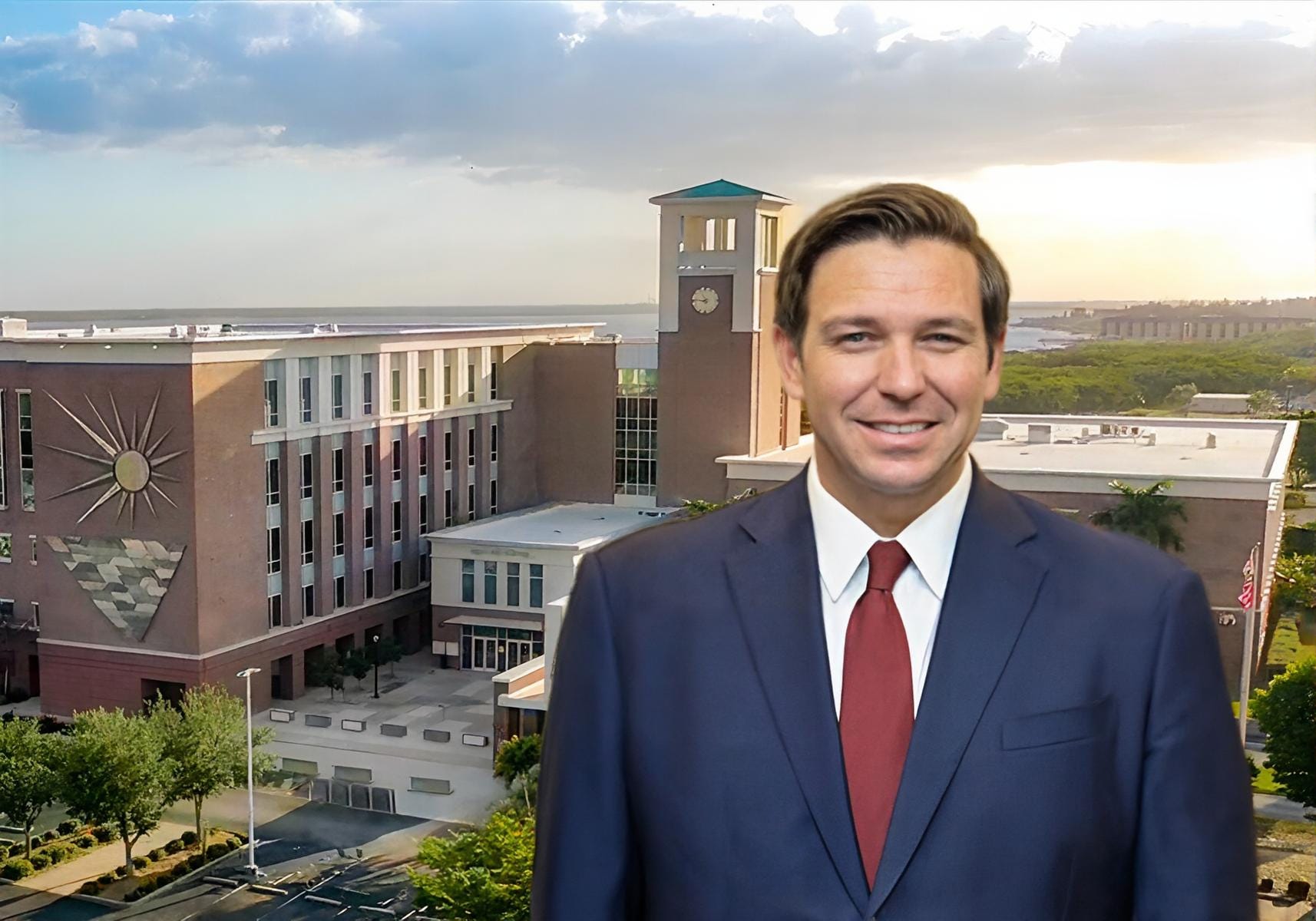
FORT MYERS, FL – It was a high-stakes judicial audition at the Lee County Justice Center Annex as 26 hopefuls vied for two coveted judgeships. The Twentieth Judicial Circuit Judicial Nominating Commission spent November 14 interviewing 16 applicants for a Circuit Court seat and 10 for a Charlotte County Court seat.
The Twentieth Judicial Circuit of Florida includes Charlotte, Collier, Glades, Hendry, and Lee counties.
Earlier this week, the Florida Bar announced that 11 finalists had emerged (5 for the Circuit seat in Charlotte, 6 for the County).
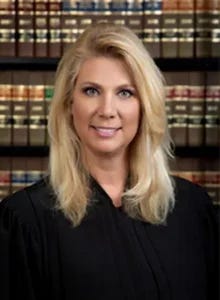
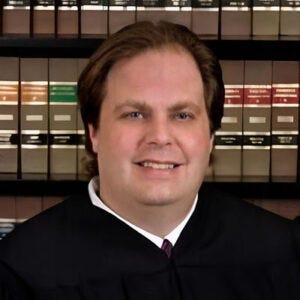
These nominees’ names have been sent to Governor Ron DeSantis, who by law has 60 days to appoint one candidate for each bench. The vacancies – a Circuit Court seat and a Charlotte County Court seat – were created by the resignation of Judge Mary Evans and the retirement of Judge John Burns, respectively.
In a twist, one applicant’s name appears on both shortlists: Kathryn “Katie” Wallace impressed the commission enough to be nominated for each vacancy.
It’s now up to Gov. DeSantis to decide which of these finalists will don the robes on the Charlotte County bench in the coming weeks.
Finalists Named: For the Circuit Court opening, the commission shortlisted five standouts – Judge Kimberly Bocelli, Magistrate Maria Dente, Martina Hedvicek, Patrick McDonald, and Katie Wallace. For the County Court seat, six names made the cut: Shannon Doolity, Pamela Barger, Jillmarie Gendreau, Christopher Whitney, Turner Rouse, and (again) Katie Wallace.
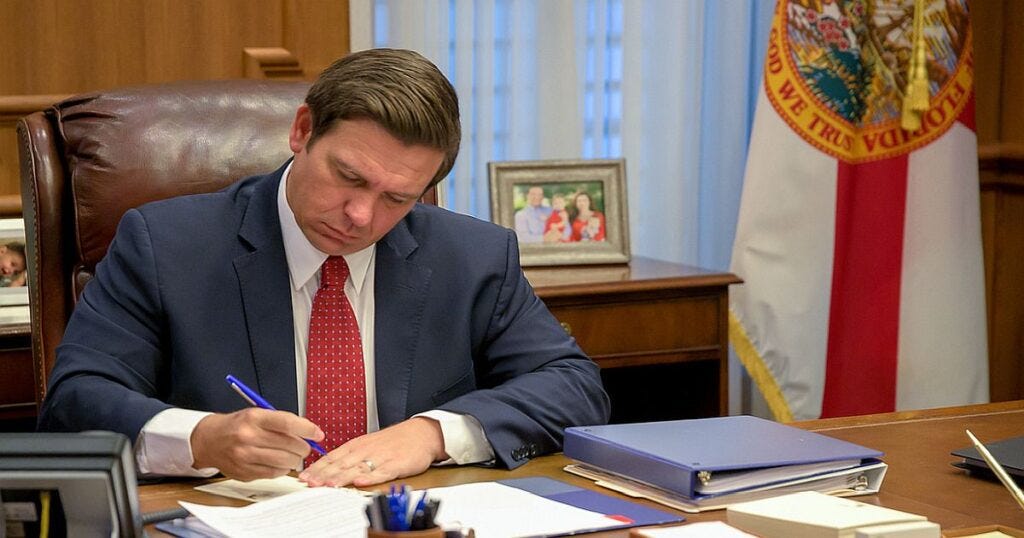
The commission’s recommendations now await Gov. DeSantis’s review, and community interest is high: Charlotte County voters know their next judges will wield immense power in local courts. It’s an all-or-nothing showdown – those who impressed will move on, and those who fumbled are out of the running.
Below, we break down the winners and losers from this dramatic interview session.
CHARLOTTE COUNTY JUDGE PICKS: THE GOOD — Top Performers Who Shone
Judge Kimberly Bocelli
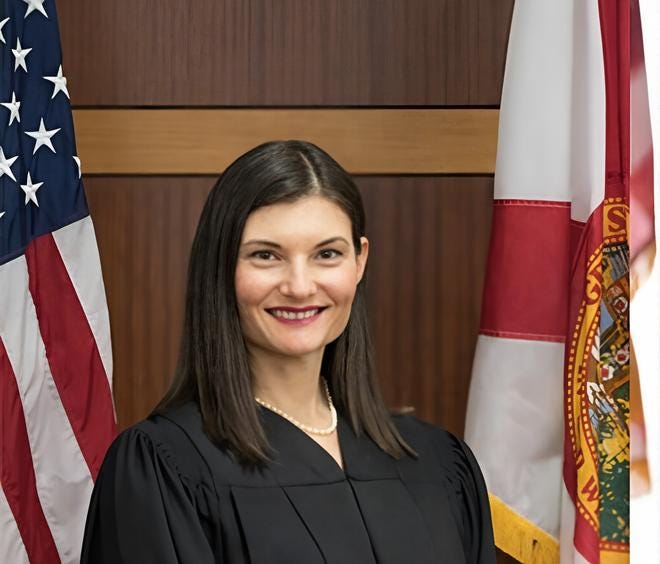
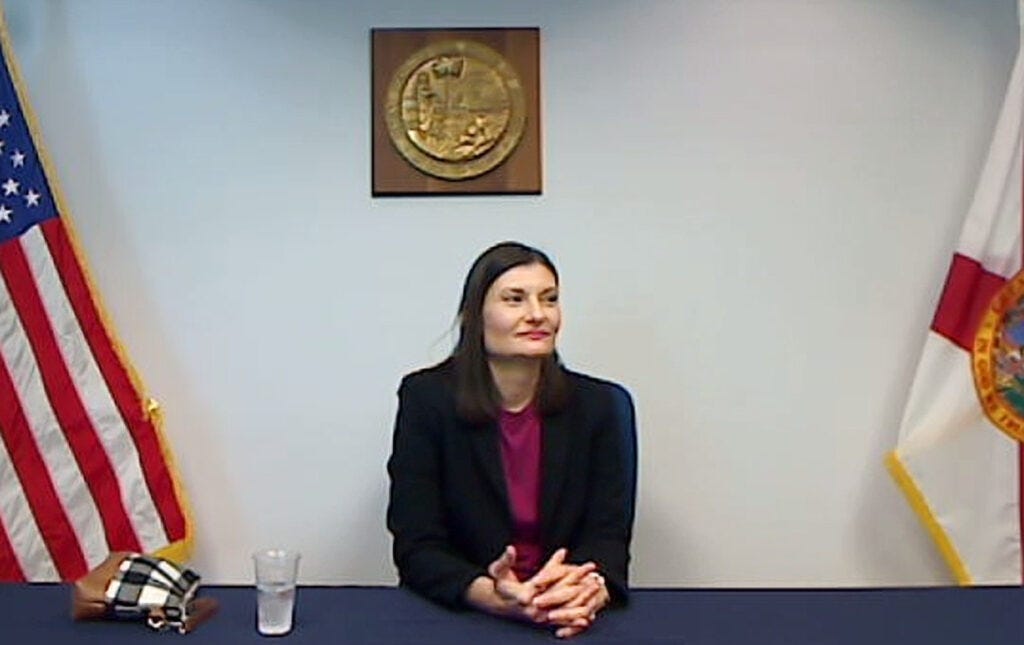
The consensus frontrunner, Judge Kimberly Davis Bocelli, a sitting Lee County judge, was a known quantity going in and did not disappoint. With an impeccable track record on the bench (and no disciplinary blemishes in 18 years of practice), she showcased the poise and authority of an experienced jurist.
Colleagues describe Bocelli as “all business” in the courtroom, and the commission saw that firsthand. She fielded questions with confident, concise answers, drawing on her tenure as a magistrate-turned-judge to provide concrete examples.
“My rulings speak for themselves,” Bocelli stated flatly at one point, underscoring her history of fair decisions and efficient docket management.
The commissioners nodded along – here was a candidate who’s already doing the job. Bocelli’s steady hand and deep knowledge of the law clearly endeared her to the panel.
“I can’t think of anyone more qualified to succeed Judge Evans and his the ground running day one on the complex integrated family court docket,” one Punta Gorda family court practitioner said.
If insider chatter is to be believed, she’s the odds-on favorite for the Circuit Court appointment, having left virtually no doubt about her readiness to step up.
With Governor DeSantis’s tendency to “appoint from within” for open Circuit Court positions, many have handicapped Judge Bocelli’s chances as a “lock.”
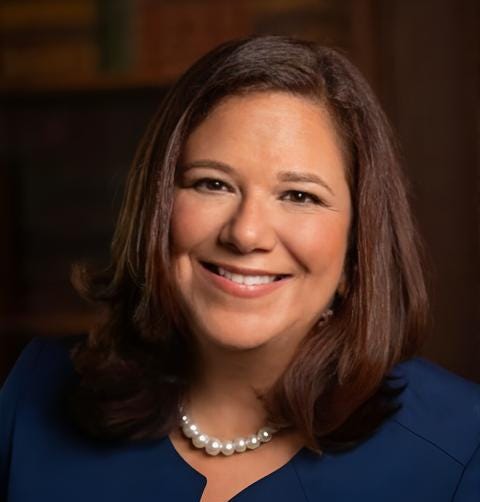
Magistrate Maria Dente
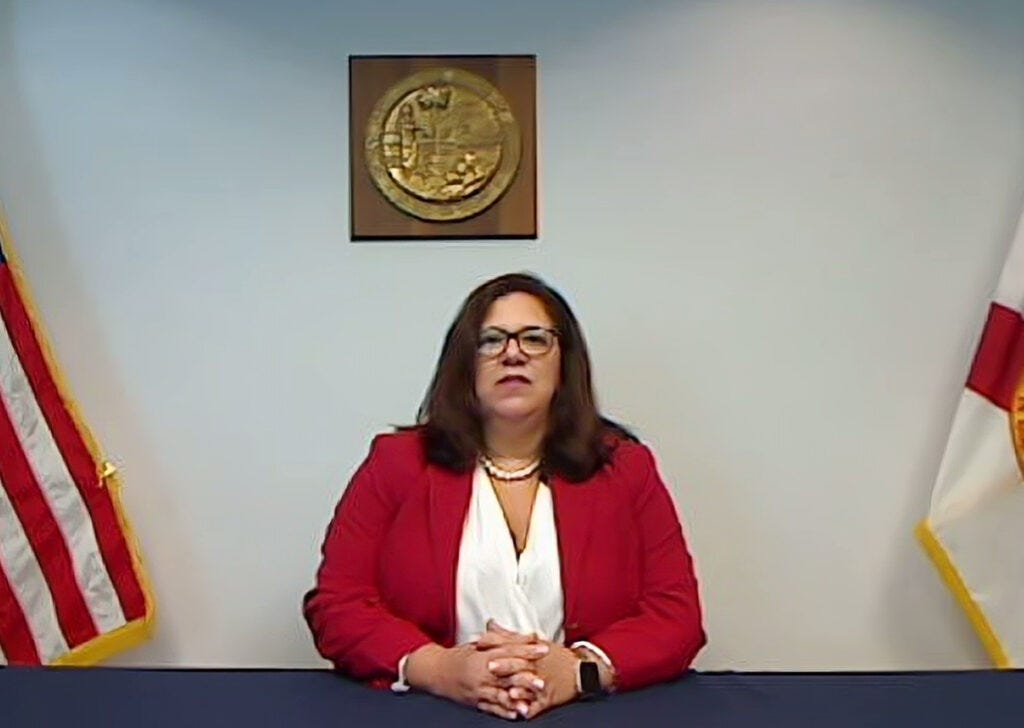
Don’t let her calm demeanor fool you – Collier County Magistrate Maria Dente came in with a firm grasp of the gavel. Dente, who has spent years handling family and civil dockets, projected a blend of professionalism and authority that reviewers called “judge-like.”
Her interview answers were crisp and direct. When pressed on courtroom control, Dente didn’t mince words: “Order in my court is non-negotiable,” she said in a steady tone, recounting how she manages pro se litigants and emotional family cases. That kind of no-nonsense firmness clearly resonated.
Dente, who speaks both English and Spanish fluently, demonstrated an encyclopedic knowledge of procedure, citing case law from memory and outlining how she’d streamline a busy courtroom.
The commission, seeking someone to hit the ground running, appeared impressed by her disciplined approach. Dente’s performance painted her as a candidate who can command respect from day one.
She may not have Bocelli’s name recognition, but in that interview room, Dente proved she’s a serious contender with the chops to be a judge.
Some question whether Collier County, where she presently sits, isn’t the right spot for Dente, rather than the Punta Gorda vacancy.
“I think the judiciary and the people would probably be best served if Maria Dente were appointed to the next family court opening in Collier County,” said a Naples family lawyer. “She has the acumen and temperament to rule fairly and command respect from the litigants in any and every case that is brought before her.”
Attorney Martina Hedvicek
Perhaps the most compelling story of the day belonged to Martina Hedvicek, a Punta Gorda attorney whose journey is a classic immigrant success story. Hedvicek, who emigrated decades ago and built her law practice across the street from the Charlotte County courthouse, brought both grit and gratitude to her interview.
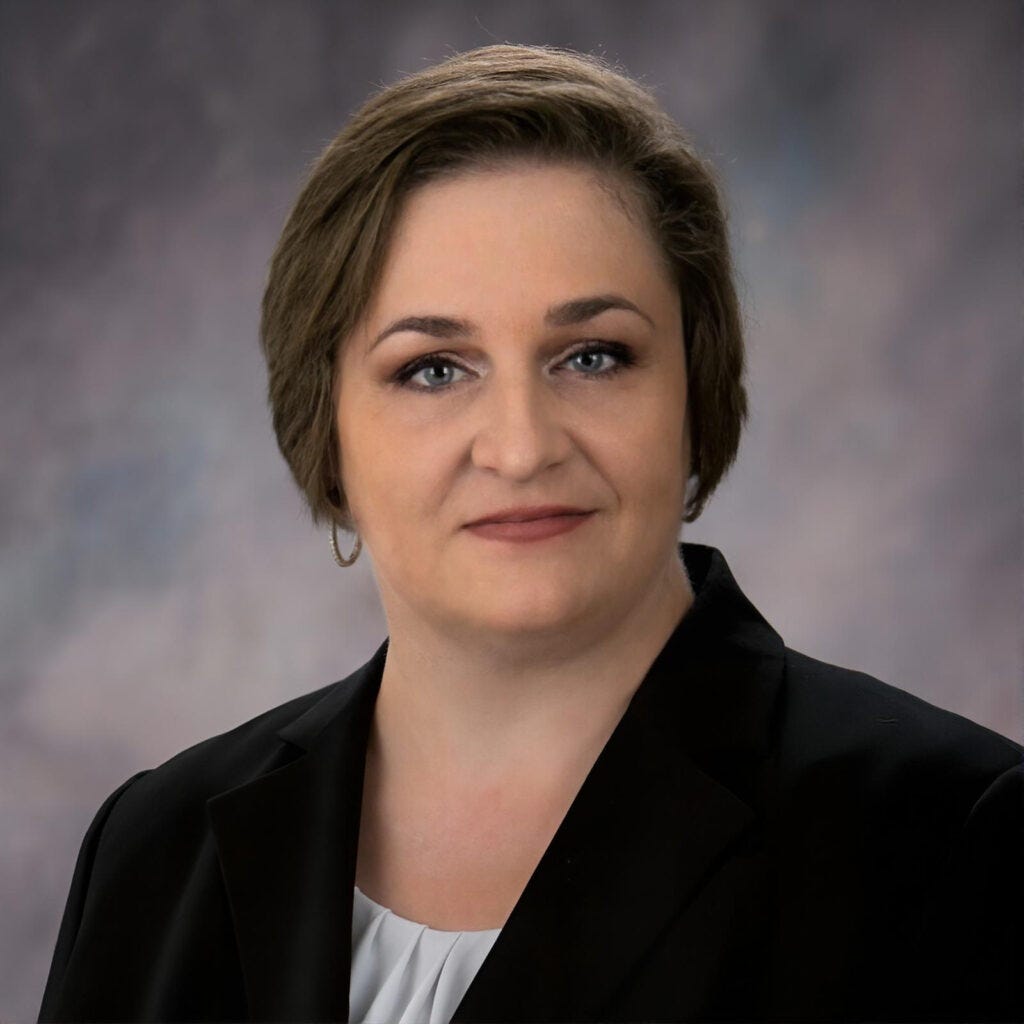
A former prosecutor with loads of trial experience, she highlighted her countless jury trials and tough cases in vivid detail. Hedvicek spoke passionately about the rule of law, at one point proudly aligning herself with a textualist judicial philosophy – “The words of the law matter,” she declared. “I will never be an activist judge.”
Her deep local roots (she graduated from Lemon Bay High School and Florida Gulf Coast University, has been practicing in Charlotte County / Punta Gorda since 2007, and is active in community service) added weight to her candidacy.
Hedvicek did not shy away from her past. She told the commission that she fled communist Czechoslovakia as a child, when government power meant persecution and opportunity depended on party loyalty, not merit.
“My father wanted to become a lawyer, but he was literally pulled out of line because he refused to join the Communist Party,” she told the Commission.
Hedvicek said that memory drove her work ethic and shaped her reverence for the rule of law. She called the American legal system “the envy of the world” and credited its constitutional guarantees for giving her a life her family could not imagine behind the Iron Curtain. She said she works the way she does—long hours, no excuses, and total commitment—because she knows what the absence of freedom looks like.
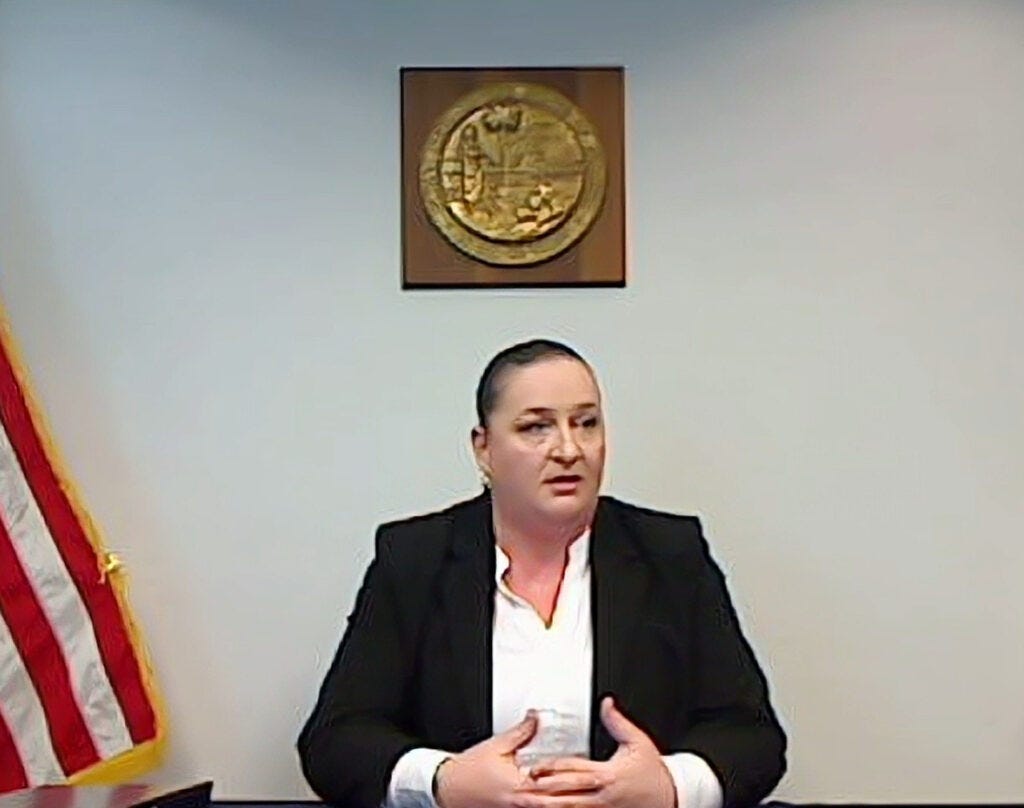
One commissioner acknowledged her perseverance, noting Hedvicek’s transition from refugee to respected trial lawyer as clear evidence of character.
By all accounts, Hedvicek aced the legal questions, too. Insiders say she nailed a tricky query about the Chevron doctrine (a test that stumped others) by methodically explaining how courts should handle agency interpretations.
This combination of technical savvy and personal grit earned Hedvicek a spot on the finalist list – and a chorus of praise. As one observer put it, “Martina’s life reads like the American Dream, and she’d bring that hard-won wisdom to the bench.”
CHARLOTTE COUNTY JUDGE PICKS: THE BAD — A Shortlist Star with a Self-Inflicted Wound
Kathryn “Katie” Wallace
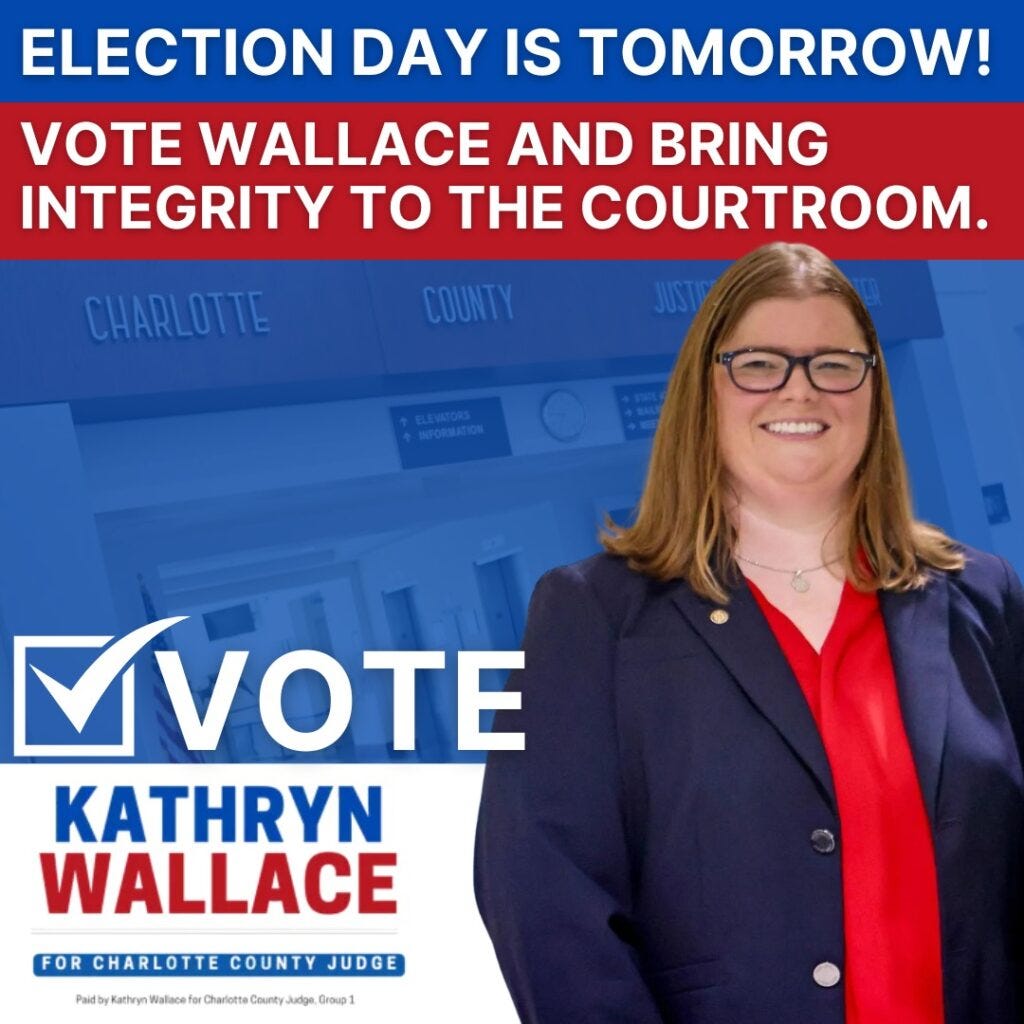
Kathryn Wallace made the shortlist twice, a rare feat that speaks to her strong résumé – but a verbal gaffe may haunt her chances.
A former prosecutor and longtime court staff attorney in Charlotte County, Wallace came in as a well-prepared candidate with broad experience. She touts an impressive background: Assistant State Attorney handling thousands of cases, six years as a judicial staff attorney advising judges on complex trials, and now a private practice lawyer known for community involvement.
Wallace, 43, even ran for a county judgeship last year, emphasizing a conservative, by-the-book approach. (“Judges must enforce the law as written by the Legislature, not make law,” she wrote in her campaign materials.) With credentials like that, it’s no surprise the commission put her on both the Circuit and County nominee lists.
Yet during her interview, Wallace raised eyebrows with one off-key comment. When discussing public perception of the courts, she remarked that “Charlotte County voters are ill-informed.”
The room fell silent.
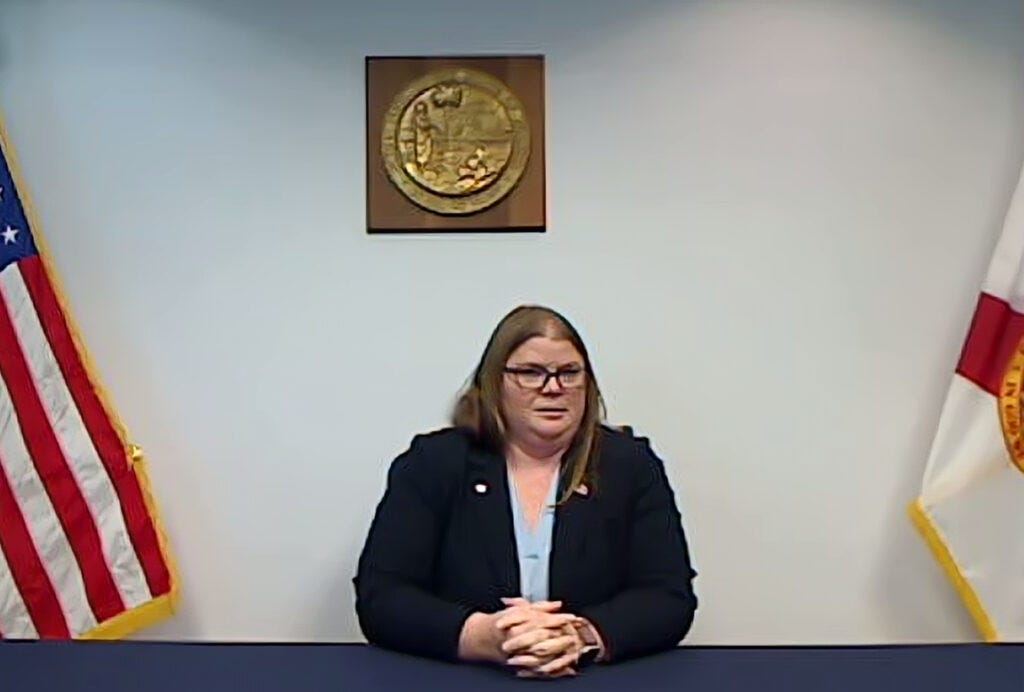
In a county known for its staunch support of Gov. DeSantis, calling the electorate “ill-informed” is a risky move – essentially dinging the very voters who might one day elect or support her. Commissioners exchanged looks at that moment, according to observers.
Wallace quickly tried to clarify, but the damage was done.
Insiders whisper that while Wallace scored high on legal acumen, this foot-in-mouth moment could undermine her with Gov. DeSantis. The Governor prizes judges who connect with the community, and he remains overwhelmingly popular in Charlotte County. If he perceives that Wallace insulted his base (even unintentionally), he may think twice.
It’s a shame for Wallace: aside from that blunder, she interviewed well and, on paper, shares the Governor’s judicial philosophy. But in politics and appointments, one misstep can be fatal – and Wallace’s “ill-informed voters” quip might be the stumble that costs her a robe.
CHARLOTTE COUNTY JUDGE PICKS: THE UGLY — Flameouts and Fumbles
Not everyone rose to the occasion. A few candidates crashed and burned spectacularly, turning their interviews into cautionary tales.
Vera Bergermann
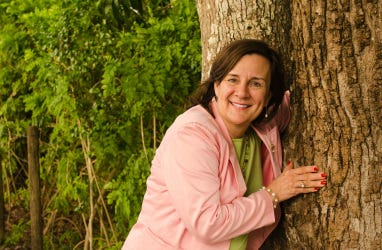
Veteran Fort Myers family law attorney Vera Bergermann, with 40+ years in practice, managed to shock the panel for all the wrong reasons. Instead of focusing on her qualifications, Bergermann launched into unverified attacks on sitting judges.
In an out-of-left-field rant, she alleged misconduct by unnamed judges in the circuit – without offering proof. Commissioners appeared taken aback as she aired grievances more fitting for a bar complaint than a job interview.
The diatribe not only chewed up her 15-minute slot but also seriously undermined her credibility. By the end, it was clear Bergermann had talked herself out of contention.
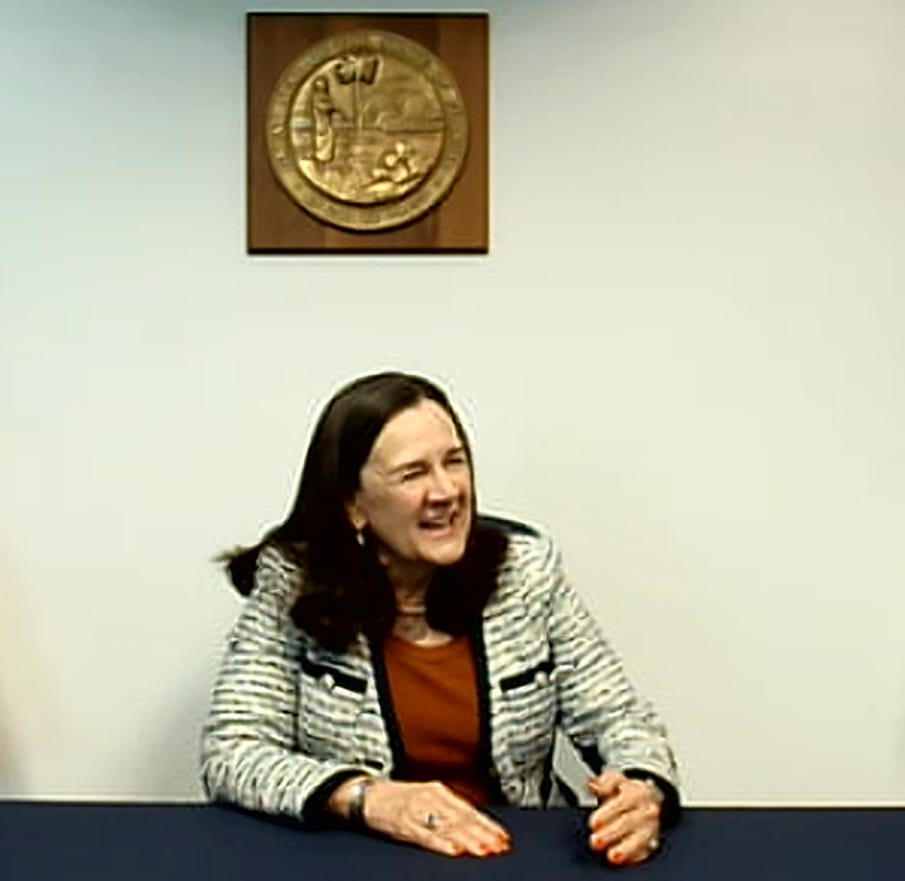
One attendee quipped that she wasn’t applying for a judgeship so much as “applying to be a whistleblower.”
Suffice to say, the commission was not amused. Bergermann exited the room, having sealed her fate: no nomination and a few raised blood pressures in her wake.
Michael Colombo
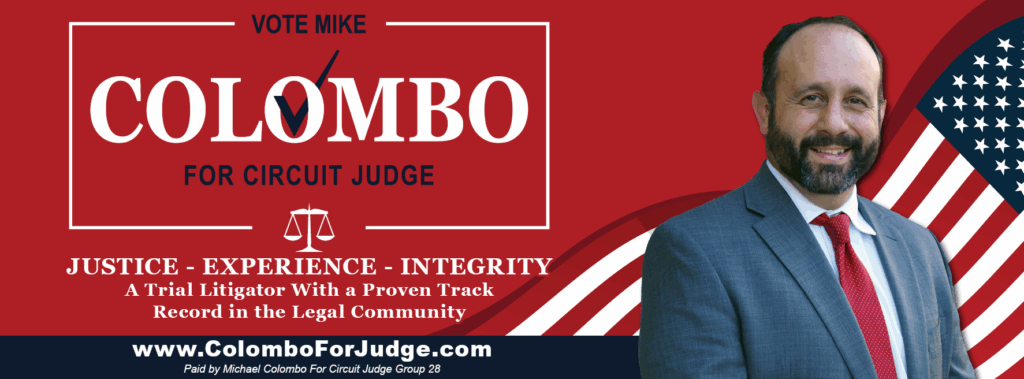
Next came Michael Colombo, a Fort Myers trial attorney and former prosecutor who approached the interview like a heated cross-examination. Colombo’s combative tone was evident from the first question.
Rather than thoughtfully engage with the panel, he sparred with them. When asked about his view on judicial temperament, Colombo oddly pivoted to criticize “ivory-tower academics” and boasted that he never backs down in court.
At one point, a commissioner attempted to clarify a question, only for Colombo to interrupt and loudly reassert his point. The atmosphere grew tense.
This wasn’t Colombo’s first rodeo – he’d campaigned for a circuit judgeship before – but you wouldn’t know it from his confrontational posture. What he likely intended as passion came off as aggression.
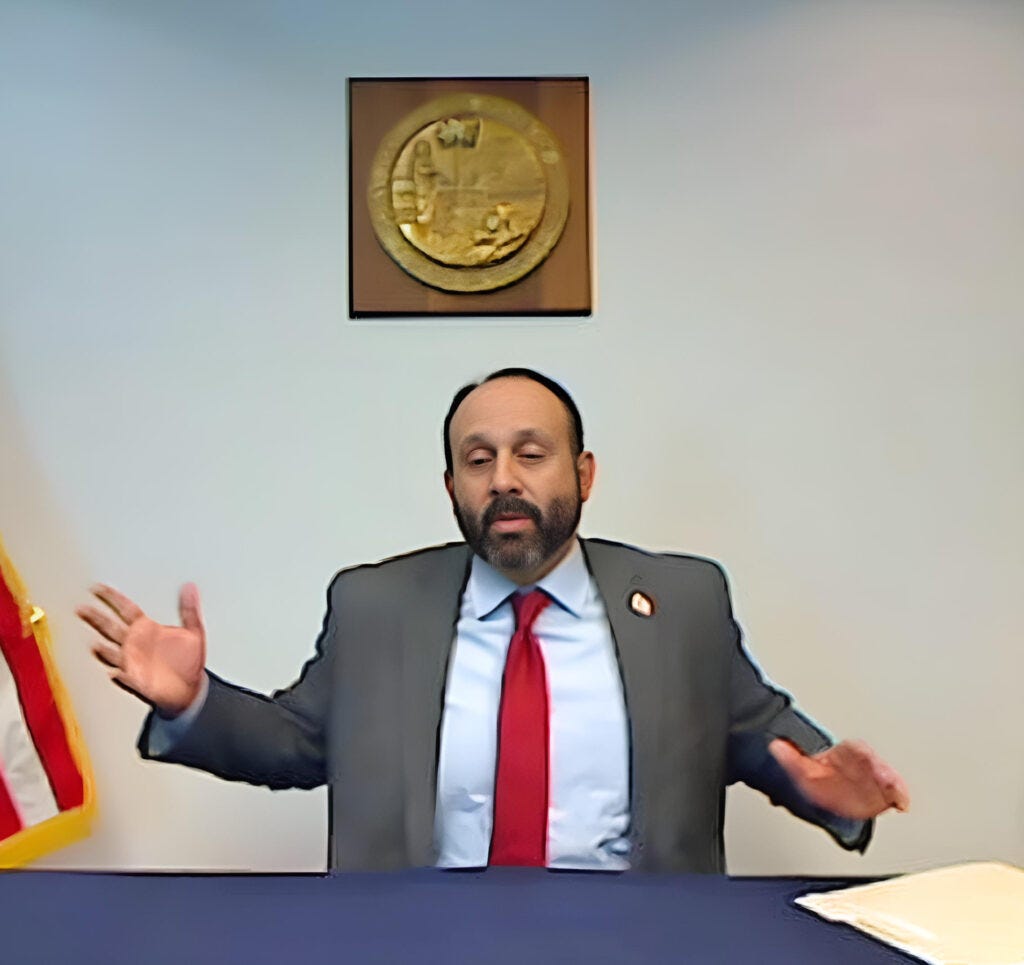
A witness described the exchange: “It felt like he was arguing with the commission, not interviewing.”
To top it off, Colombo stumbled when quizzed on a key legal doctrine (Chevron), seemingly unfamiliar with a concept many deem fundamental.
By the conclusion, his chances had evaporated. Colombo walked out, perhaps having fought too hard for his own good, leaving the panel with the impression that his courtroom demeanor might not suit the bench.
Tiernan Cole
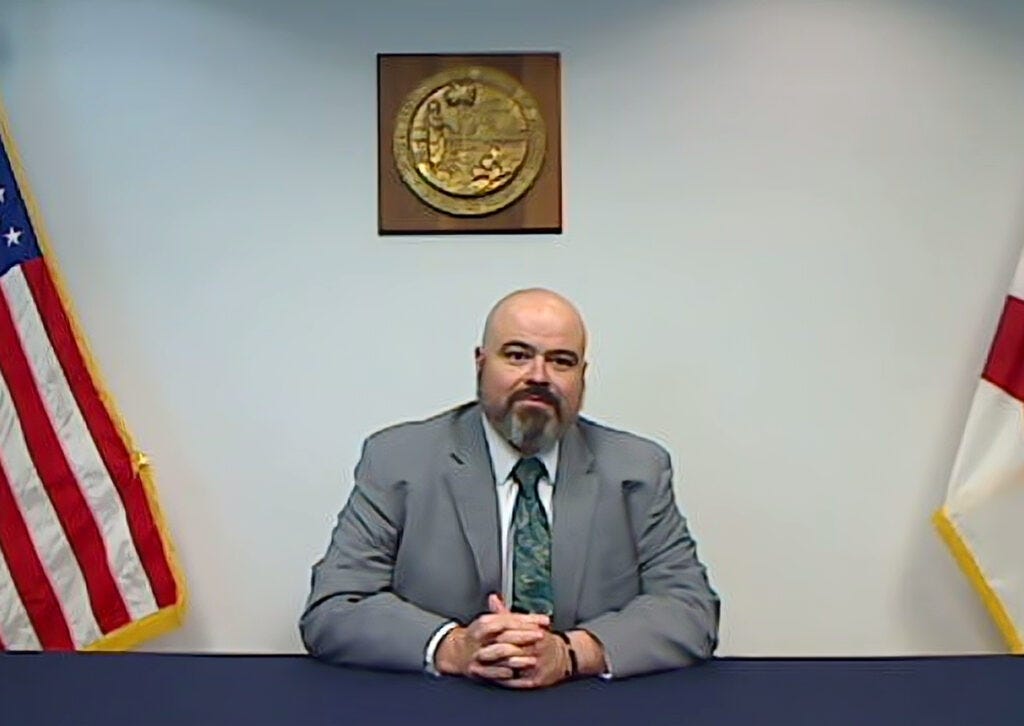
Then there was Tiernan Cole, an assistant county attorney from Charlotte County, whose interview took a bizarre turn. Cole started earnestly enough, highlighting his local government experience. But things went downhill when he veered into a comic-book detour. In an attempt to illustrate judicial courage, Cole referenced a storyline from a superhero comic – complete with an anecdote about the X-Men and Mutant Registration.
The tangent drew a few chuckles but mostly perplexed stares. It was the kind of offbeat analogy better suited for a Comic Book Convention than a Judicial Nominating Committee.
Cole’s effort to lighten the mood misfired, making him appear less serious about the position. And when the commissioners brought the focus back to law by asking about the Chevron doctrine, Cole was caught flat-footed. He hesitated, then admitted he “wasn’t prepared to discuss that.”
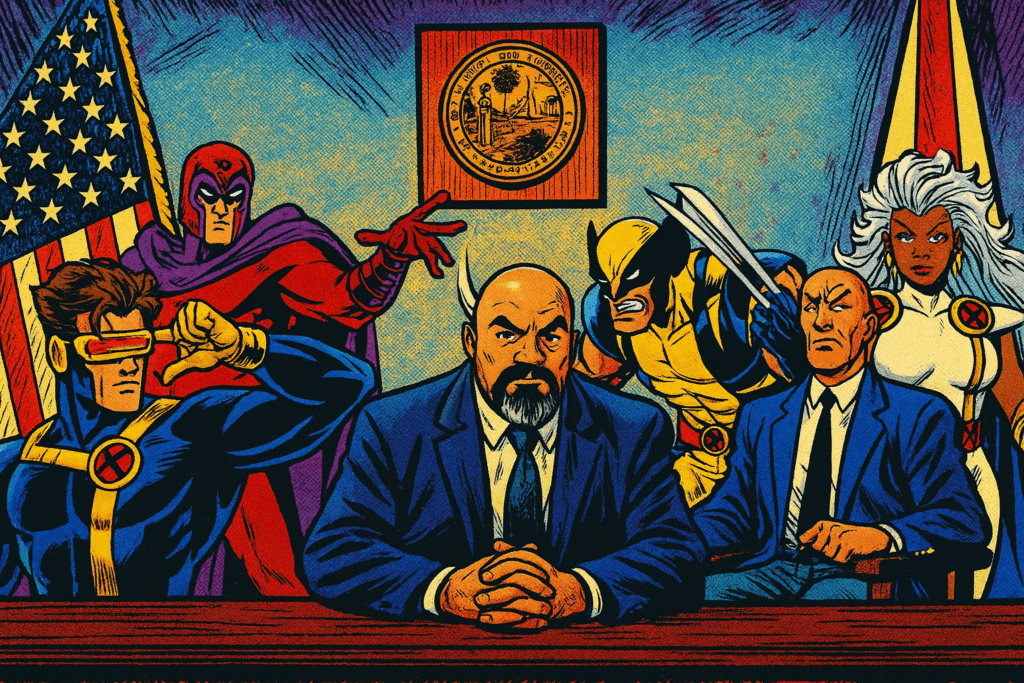
If Bergermann’s and Colombo’s interviews were train wrecks, Cole’s was a slow-motion slide off the rails – not as inflammatory, but clearly not what the commission was looking for. By the end, the impression was of a candidate not quite ready for prime time.
Perhaps most telling, all three flameouts – Bergermann, Colombo, and Cole – failed to answer the Chevron doctrine question that the commission used as a litmus test of legal acumen. The Chevron doctrine, once obscure, has become a hot topic on the U.S. Supreme Court’s docket and in judicial circles. The commission’s inclusion of it was no accident; it was a probing check on each applicant’s grasp of important case law and judicial philosophy.
All three stumbled.
Their blank or bungled responses on Chevron confirmed to the panel what their performances had already suggested: these candidates were not ready for the bench.
In contrast, the stronger contenders had smoothly handled that same question, underscoring the widening gap in preparedness.
For Bergermann, Colombo, and Cole, the Chevron misstep was the final nail in the coffin of their applications – each had already lost the room, and this sealed it.
CHARLOTTE COUNTY JUDGE PICKS: THE FINAL VERDICT AWAITS
What happened in those interview rooms was more than a vetting. It was a sorting. The Judicial Nominating Commission’s finalists list is not a polite collection of résumés. It is a judgment. And that judgment is unmistakable.
The GOOD—Bocelli, Dente, and Hedvicek—did not just rise. They towered. They showed command of the law, command of themselves, and command of the moment. They walked into the room as candidates and walked out as consensus front-runners. Each represents a different face of judicial excellence: Bocelli’s seasoned steadiness, Dente’s cool authority, and Hedvicek’s trial-tested fire. These three didn’t interview. They executed.
The BAD—Kathryn Wallace—earned her place on the list through work and experience, but she carries a self-inflicted wound. Her “ill-informed voters” remark may follow her to Tallahassee like a shadow. She is on both shortlists, but she is also on the clock. She must hope the Governor sees past her stumble and judges her on substance, not soundbite. In a county that has backed DeSantis overwhelmingly, insulting its voters is a political landmine she planted at her own feet.
The UGLY—the candidates who melted down—never had a chance after their performances. Bergermann’s attacks, Colombo’s combativeness, and Cole’s comic-book escapism were deal-breakers. They didn’t miss the mark. They shot the wrong target. Their flameouts serve as warnings to every would-be judge: the robe demands composure, judgment, and mastery of the law. Not grievances. Not theatrics. Not fantasies.
Now the decision shifts to Governor Ron DeSantis, and the stakes are high. These appointments will shape Charlotte County’s legal landscape for decades. The Governor must choose between the proven excellence of the GOOD, the risky promise of the BAD, and the clear rejection of the UGLY.

One thing is clear: this is no longer a judicial selection process. It is a political and philosophical test.
Will DeSantis reward the steady hands? Will he gamble on a flawed but capable contender? Or will he close the book on the misfires?
Florida’s legal community is watching. Charlotte County is watching. Every lawyer who sat through those interviews is watching.
And all of them are waiting for the Governor to deliver the final ruling in this unmistakably Floridian drama: The Good, the Bad, and the Ugly—Judicial Edition.
