
Dyker Heights Toxic Principal
Cover-Up at PS 176 as Principal Elizabeth Culkin remains under fire in a dangerously overcrowded Brooklyn school.


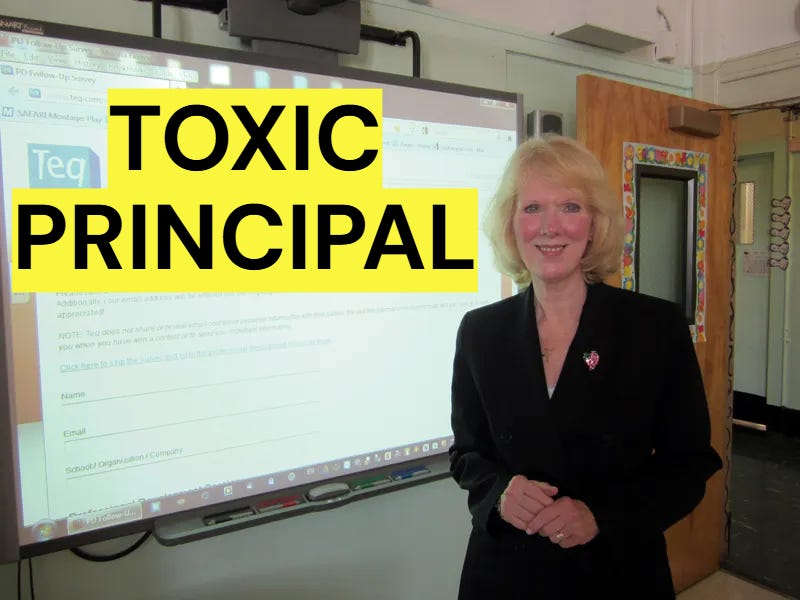
LUTHMANN NOTE: This didn’t happen by accident. This happened because power sat too long without sunlight. For twenty years, Dyker Heights Toxic Principal Elizabeth Culkin ran PS 176 without meaningful oversight, and when the building became dangerous, she chose secrecy over safety. That’s not misjudgment. That’s a moral failure. Parents didn’t overreact. They were lied to. Teachers weren’t disloyal. They were silenced. Kids didn’t get sick randomly. They were kept in classrooms adults knew were unsafe. The DOE’s reflex was delay, deflection, and document dumps. That’s the system talking. If this ends with anything short of removal and accountability, every parent in New York just learned the same lesson: speak up, and they’ll try to bury you. This piece was first published on NYNewsPress.com.

By M. Thomas Nast and Frankie Pressman
Elizabeth Culkin, the longtime principal of PS 176 in Dyker Heights, is accused of a serious pattern of misconduct. Parents say she knew about a litany of health hazards – asbestos lurking in classrooms and the cafeteria, falling debris, exposed pipes, even missing window panes – yet ordered a cover-up.
After 20 years of Culkin’s rule, many have had enough. A petition to oust her blasts “retaliatory behavior and authoritarian leadership” as “unacceptable, ineffective, unprofessional, and unbecoming” of a principal. Entitled “Removal of Ms. Elizabeth Culkin (Principal of P.S. 176) & Appoint a New Interim Principal,” the petition amassed nearly 1,000 verified signatures.
Now, new allegations of City time abuse have many outraged and calling for her head.
Dyker Heights Toxic Principal: Culkin’s Cover-Up
Last March, Culkin admitted the school’s construction had stirred up asbestos and other dangers but explicitly told parents and teachers “not to share” that information outside the room. She then failed to send any warnings home—no letters, no phone calls—nothing. Instead, children and teachers were kept in “unhabitable/unacceptable” conditions for months.
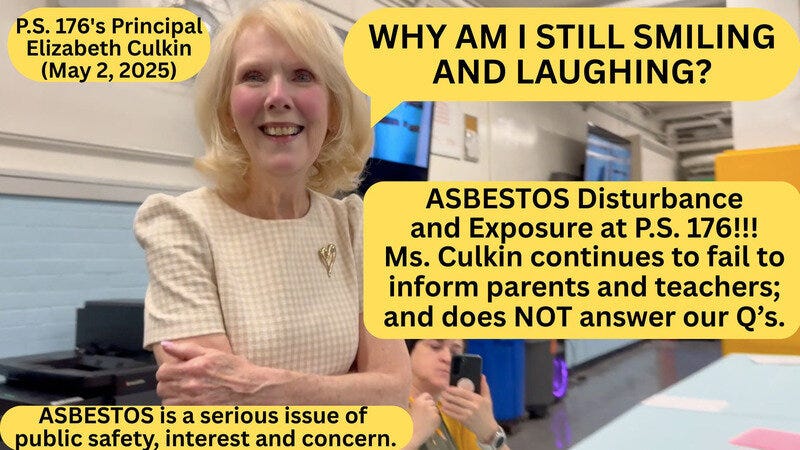
Children and teachers continued to occupy classrooms, a situation later described by a Division of School Facilities official, Genesis Sanchez, as “unhabitable/unacceptable.” The decision to conceal, rather than warn, sits at the core of the community’s demand for Culkin’s removal.
Parent leaders allege interference with SLT, PTA, and Title I PAC elections, as well as mistreatment of former PTA officers and reprimands of parent coordinator Qin Zhu. Whistleblowers claim Culkin attempted to silence them, blocked communication channels, and threatened retaliation against both parents and their children. Supporter comments echo the same pattern.
When one parent leader, Andres Juarez, tried to sound the alarm, Culkin allegedly shut off his access to the school’s online portal to silence him. Another parent who raised safety concerns was told by Culkin to “send her child elsewhere” if she didn’t feel safe.
Teachers say they faced similar retaliation – if they weren’t “team players,” Culkin told them to transfer out.
One former teacher described a climate of fear, high turnover, and leadership driven by self-interest rather than student welfare: “Teachers can’t speak up against her for fear of retaliation, so they just leave or are pushed out.”
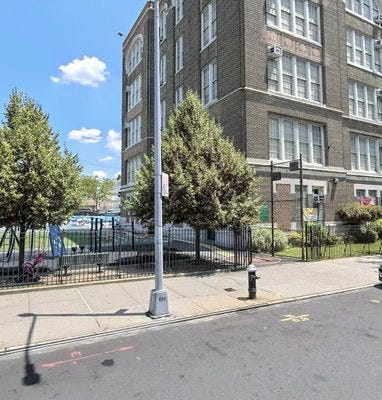
By all accounts, PS 176 under Culkin has been run like a fiefdom of fear. She’s interfered in parent council elections and even chastised her own parent coordinator, creating what the school community calls a “toxic and hostile” environment. Meanwhile, students have suffered in the chaos. The school is extremely overcrowded, cramming over 1,400 kids into a building built for just 800 – about 175% of capacity. Children have been wedged into hallways due to a lack of space.
Amid construction dust and stifling classrooms (windows boarded up due to repairs), kids began falling ill. One healthy fifth-grader came down with severe allergies and pneumonia, missing 40 days of school, while another child’s asthma worsened in an overheated, unventilated classroom. Culkin’s only “solution” was to suggest moving one sick student to a different class – a meaningless fix that outraged parents.
Parents and staff claim self-dealing and misuse of school resources that reinforce the pattern of abuse. One of the most explosive allegations involves snow removal at Culkin’s private residence. According to multiple accounts, Culkin directed a fireman (a boiler technician) to clear snow from her personal residence. It is alleged that Culkin long ago provided the same boiler technician with an illegal time-punch machine, resulting in 20 years of city time theft. When questioned about the apparent quid pro quo, she brushed off the concerns as exaggerations.

Other complaints echo the same theme: personal convenience over student safety. Parents allege selective enforcement of rules, favoritism toward compliant families, retaliation against vocal critics, and deliberate obstruction of parent council communications. The Division of School Facilities’ requests for basic records, safety plans, and maintenance schedules were ignored or delayed.
“The Division of School Facilities is there for the building concerns and safety of our future, but Ms Culkin is not,” said one parent.
We reached out to the Division of School Facilities for comment and clarification. They have not yet responded. Here is what we asked:
From: Modern Thomas Nast <mthomasnast@protonmail.com>
Date: On Monday, January 12th, 2026 at 6:56 AM
Subject: Journalistic Questions: PS 176 Facilities, Safety, and Administrative Oversight
To: joindsf@schools.nyc.gov <joindsf@schools.nyc.gov>
CC: frankiepressman@protonmail.com <frankiepressman@protonmail.com>, Richard Luthmann <richard.luthmann@protonmail.com>, RALafontaine <ralafontaine@protonmail.com>, Rick LaRivière <RickLaRiviere@proton.me>To the NYC Division of School Facilities,
We are independent reporters preparing a piece on conditions and administrative conduct at PS 176 in Dyker Heights, Brooklyn, and are seeking responses to the following questions for publication:
1. What inspections, assessments, or remediation actions has DSF conducted at PS 176 during the past five years, including any involving asbestos, air quality, construction dust, or structural hazards?
2. During periods of active construction or remediation at PS 176, what role does DSF play in determining whether conditions are safe for occupancy, and who has final authority to approve continued in-person instruction?
3. Is DSF responsible for ensuring that parents and staff are notified when construction activity may disturb asbestos-containing materials, and if so, what notifications were required or issued at PS 176?
4. Has DSF received complaints, referrals, or internal reports concerning unsafe conditions, overcrowding, or environmental hazards at PS 176? If yes, when were they received and how were they resolved?
5. What oversight mechanisms does DSF have to ensure that school personnel are used solely for school purposes and not for personal benefit?
6. Is DSF aware of allegations that a fireman (boiler technician) spent 20 years forging City-time hours, and that he was the same person who would go clean the snow at Culkin’s home when it snowed? If so, was this reviewed or investigated?
7. What is DSF’s role, if any, in addressing claims of retaliation against parents or staff who raise facilities or safety concerns?
8. Are there any active DSF reviews, audits, or corrective actions currently underway involving PS 176?
9. Based on DSF’s records, does PS 176 presently meet all applicable safety and facilities standards required for continued operation?
10. Will DSF make relevant inspection reports, compliance documents, and remediation records available to the public?
Given the public health and child safety implications, please advise when DSF expects to respond. If DSF disputes any of the premises underlying these questions, we invite a detailed response for inclusion.
We expect to go to press shortly. If we hear from you after press time, we will incorporate your responses in a follow-up.
Regards,
Modern Thomas Nast
Boss Tweed was just the beginning. Operating in the shadows to expose the shady.
For many parents, the current crisis revived older, unresolved questions about Culkin’s leadership record. Her name previously appears in a federal discrimination lawsuit, alleging the same patter of threats and retaliation.
That case accused district leadership and multiple principals of systematically forcing out experienced educators. Two decades later, parents now argue the same authoritarian mindset persists, but with far higher stakes.
Taken together, the claims depict not isolated lapses, but a governing style rooted in entitlement, opacity, and reprisal—one that treats a public school like a private fiefdom and the children inside it as an afterthought.
The message is loud and clear: Culkin put kids and staff in danger, and then tried to hide it.
Dyker Heights Toxic Principal: Systemic Rot in NYC Schools
The PS 176 saga is not just about one principal – it’s a case study in the wider dysfunction plaguing New York City’s public schools. The scandal lays bare how underfunding, overcrowding and bureaucratic negligence create fertile ground for such fiascos.
PS 176 happens to be one of the most overcrowded schools in the city. At one point it operated at 171% of its intended capacity, the worst in its district. For years, children at this aging school have been packed into makeshift classrooms and forced to learn amid construction zones.
This overcrowding crisis stems from citywide neglect: Southwest Brooklyn’s District 20 has grown dramatically, yet the Department of Education (DOE) failed to provide enough new schools. Even a planned influx of 4,000 extra seats fell far short – District 20 would still be hundreds of seats over capacity.
The physical decay at PS 176 – asbestos in old ceilings, peeling lead paint, leaks and broken boilers – reflects a system-wide infrastructure failure. Shockingly, a recent city audit found that 82% of NYC public schools with asbestos weren’t inspected in the past few years. The DOE, it said, “failed to inspect the vast majority” of schools with known asbestos going back to 1997.
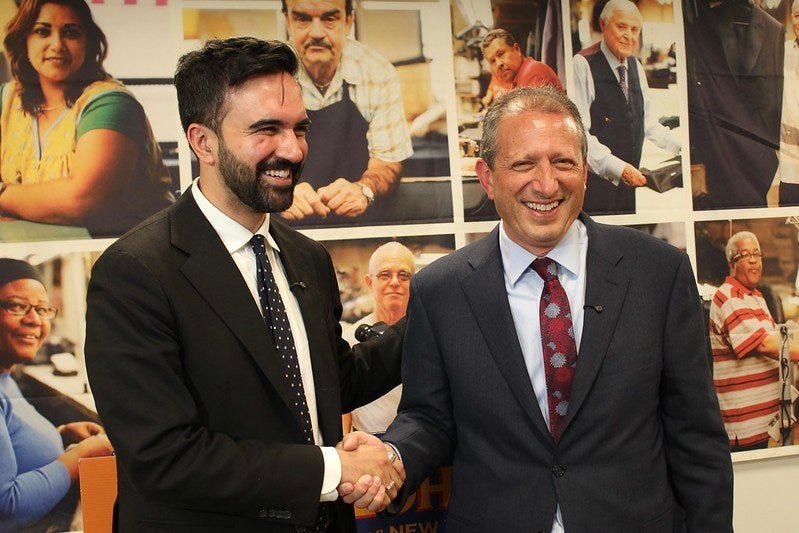
Former NYC Comptroller Brad Lander, who is mounting a U.S. Congressional run, previously blasted the department for “stunningly” failing to follow basic safety standards designed to keep kids safe. In other words, the hazards at PS 176 are likely mirrored in countless other aging school buildings that have slipped through the cracks.
The culture of mismanagement extends to personnel as well. In fact, the allegations from the 2003 federal age-discrimination lawsuitnaming Principal Culkin suggests longstanding issues at this school. In 2003, 19 veteran teachers filed suit accusing District 20’s superintendent and a dozen principals (including Culkin) of conspiring to harass and push out older teachers in favor of cheap new hires. Their attorney called age discrimination a “dirty little secret” in the city’s schools.
This history of alleged teacher intimidation and DOE inaction speaks volumes. To this day, former staff describe PS 176 as a revolving door where experienced educators either quit or get “pushed out” to escape Culkin’s wrath.
The DOE’s central office, critics say, allowed principals like her to reign unchecked for decades. It took a parent rebellion last year to even bring PS 176’s conditions to light – a damning indictment of a bureaucracy that prefers to ignore problems until they explode.
Even when parents began complaining, the initial response was bureaucratic buck-passing. Officials from the School Construction Authority (SCA) and DOE gave parents confusing answers, each pointing to the other. Meetings went on without translators for non-English-speaking parents, and hundreds of pages of technical documents were dumped on families with little explanation.
It’s no wonder trust is shattered. The pattern is clear: under-resourced schools, absent oversight, and a culture of silence have combined to put children and teachers in peril – at PS 176 and beyond.
Dyker Heights Toxic Principal: Officials Demand Accountability
Now, the PS 176 scandal has erupted onto the public stage, sparking calls for accountability at the highest levels. City Council Member Susan Zhuang and State Assembly Member Lester Chang have long backed outraged parents, demanding a full reckoning.
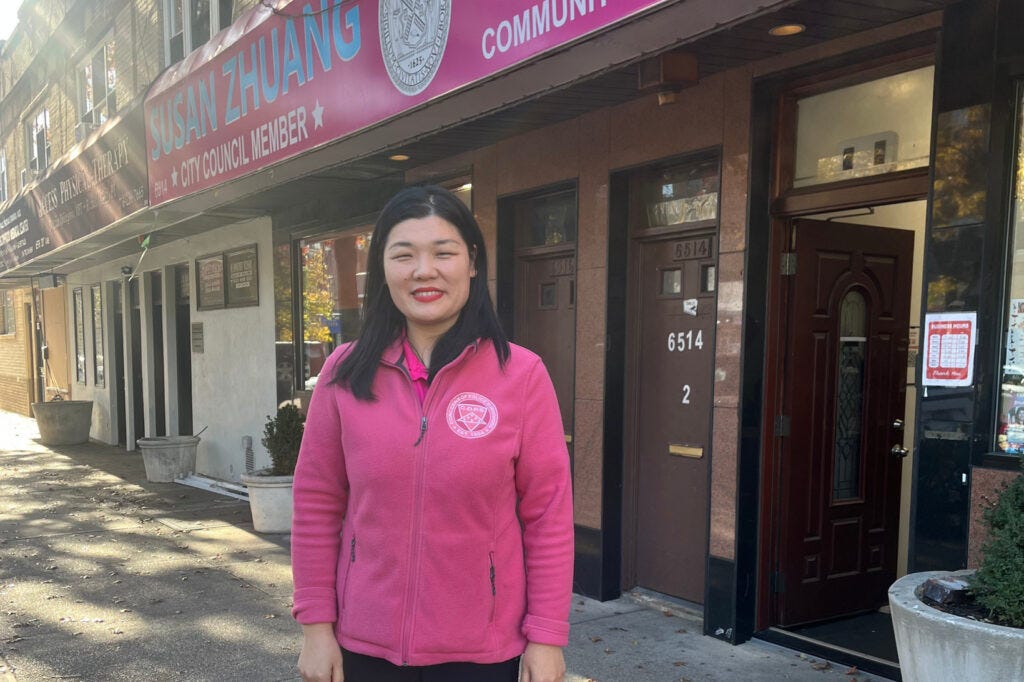
Zhuang, who represents the community, has blasted the lack of transparency.
“We need to see more reports to assure what’s going on,” she said, noting that dumping 200–300 pages of technical data isn’t enough – officials must clearly explain the situation to parents.
Chang is equally alarmed. He says the DOE’s handling of PS 176 has people wondering, “are they hiding something?”
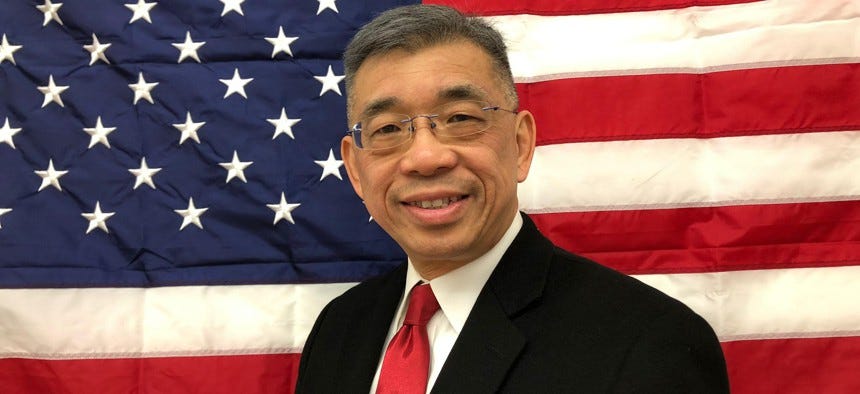
Last May, Assemblyman Chang fired off a formal letter to the Schools Chancellor and other top officials, urging them to fix the mess at PS 176 – and warning that if their responses were “inadequate and unsatisfactory,” he’d push for accountability, including legal action. As a result, City agencies descended on PS 176, and the DOE has now referred the case to the Special Commissioner of Investigation – essentially acknowledging that something went very wrong here.
There are even whispers about whether Culkin’s actions violated federal asbestos safety law (AHERA), which requires schools to inform families of any asbestos disturbances. If it’s proven that she deliberately kept parents in the dark about hazardous exposure, the legal fallout for the DOE could be severe.
The community is demanding nothing less than a clean sweep. The petition calling for Culkin’s removal also urges the immediate appointment of a new principal of PS 176. In short, the public wants heads to roll.
“No more secrets, no more passing the buck,” says Juarez and his fellow parents – they expect real accountability.
The hope in Dyker Heights is that this outrage forces overdue change – that those responsible for endangering children will face consequences, and that every New York City school, not just PS 176, will finally get the transparency, safety, and leadership our kids deserve.
