

FIFA Whisperer Strikes Again
Bombadiko called Morocco’s rise in 2022 when everyone else called it a miracle. Now the Atlas Lions are doing it again, and the football establishment is running out of excuses.


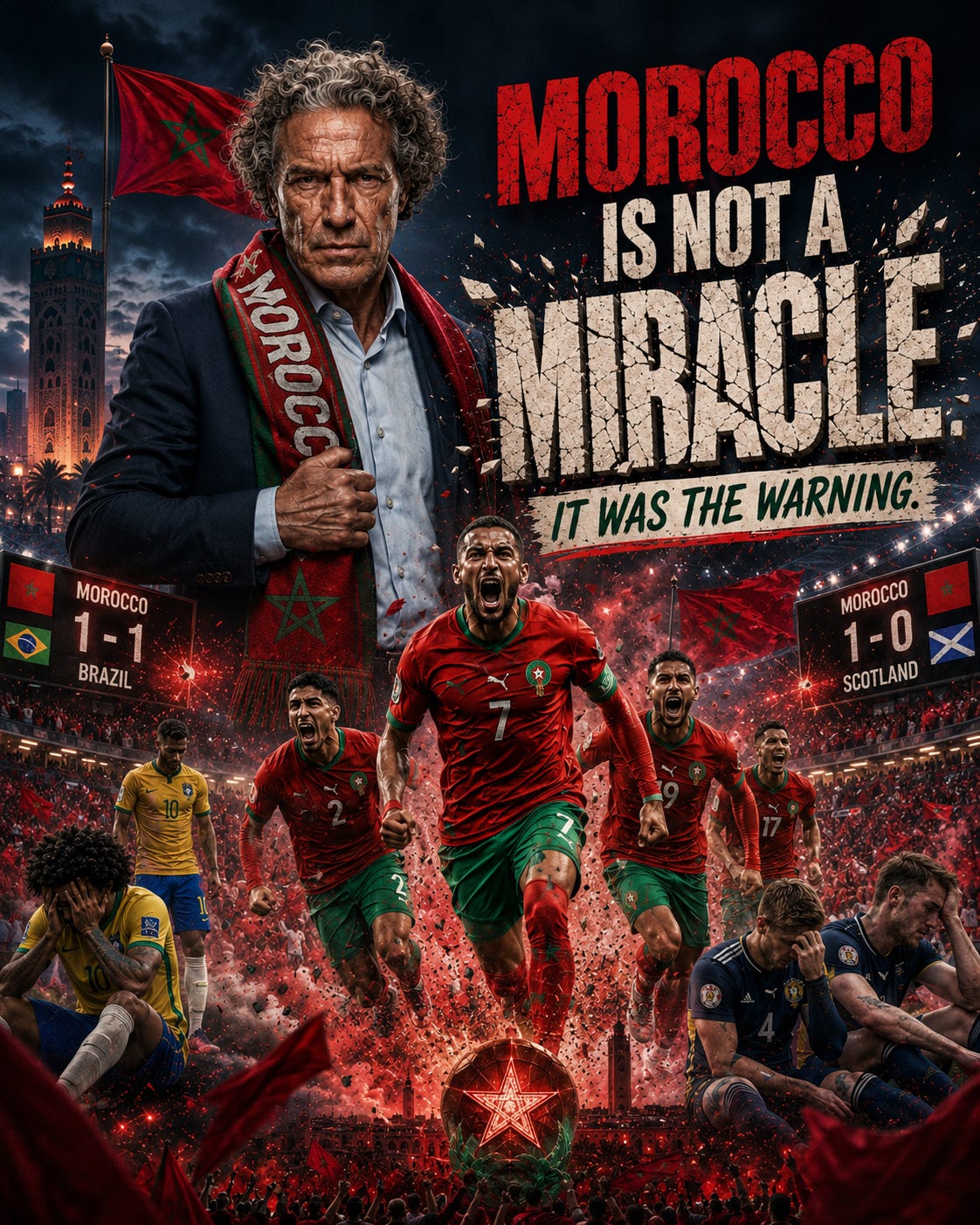
LUTHMANN NOTE: Bombadiko has earned the right to talk a little trash here. He was early on Morocco, and the Atlas Lions are making his case for him with results instead of complaints. But there is still a difference between being dangerous and being crowned. Drawing Brazil and beating Scotland are evidence. They are not trophies. Morocco looks like a real contender, not a cute underdog story, and FIFA’s old guard should take notice. Still, the next standard is simple: advance, survive pressure, and win when the tournament turns cruel. Bombadiko may be the whisperer. Morocco still has to finish the sermon. This piece is “FIFA Whisperer Strikes Again,” first available on NY News Press.


By Abbas Bombadiko with Matt “Sully” Sullivan
At what point does prophecy stop sounding arrogant and start sounding accurate?
I ask this because I have been watching the world do the same dance with Morocco for four years. In 2022, when Morocco marched into the World Cup semifinal, the football establishment called it a miracle. They said it with polite smiles, television graphics, and sentimental music, as if the Atlas Lions had wandered into history by accident. Only Sully and I were on that train before the rest of them found the station. Only we saw what was happening beneath the surface.
Morocco was not lucky. Morocco was arriving.
Now, in 2026, the same people who dismissed the semifinal run as a beautiful accident are watching Morocco stand toe-to-toe with Brazil, beat Scotland, and position itself again as one of the most dangerous sides in world football. So I ask the question plainly.
Am I the FIFA whisperer? Or is the football establishment simply deaf?
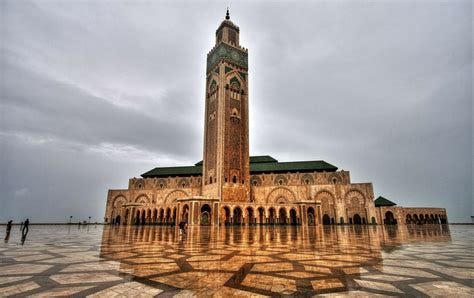
When I wore the Moroccan shirt decades ago, the world barely knew where Morocco was. Mention Casablanca, and many foreigners would smile and ask if it was a movie set, some romantic black-and-white fantasy from another age. They saw Morocco as an exotic backdrop, not a football nation. They never imagined the crowded streets, dusty pitches, packed cafés, and relentless football passion that produced generations of gifted players. They certainly never imagined Casablanca would become a foundation for world-class talent, future captains, global stars, and a football culture strong enough to challenge Brazil, Spain, Portugal, Scotland, and anyone else placed in front of it.
And yet, here we are.
I sit in cafés from Casablanca to Rabat and still hear the same tired voices. “Morocco surprised the world in 2022.” Surprised? That word still burns in my chest.
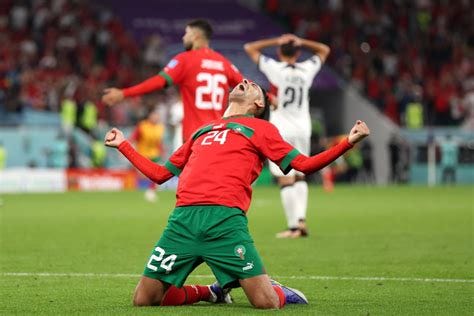
As if reaching the World Cup semifinal was some accident. As if Achraf Hakimi, Yassine Bounou, Sofyan Amrabat, and an entire generation of Moroccan footballers simply stumbled into history. The world watched Morocco defeat giants and then called it a miracle because admitting the truth was harder. The truth was that Morocco had arrived, and many people were not ready to accept what their own eyes had shown them.
Four years later, the world still hesitates to give Morocco full respect.
Brazil stood across from Morocco in New Jersey on June 13, the first great test for a new era under Mohamed Ouahbi. Many expected the pressure to consume him. Walid Regragui had stepped down only three months before the tournament. Most nations would panic. Most nations would crumble. Morocco promoted a man who had just guided the Under-20 side to a world championship, defeating Argentina 2-0 in the 2025 final. Yet the football establishment still looked at Ouahbi as a gamble instead of a visionary.
Then came Brazil.
The 1-1 draw was celebrated around the world as another Moroccan achievement. Television analysts praised Morocco’s organization. Commentators applauded the discipline. Opposing fans called the Atlas Lions difficult to beat. Brazil, the five-time world champion, had to settle for a point against the nation that too many people still want to treat like a plucky side story.
I heard all of it and felt almost nothing because that draw was never supposed to be the crown jewel. Not anymore.
Morocco entered this tournament ranked among the elite and carrying the authority of an African champion. Nine heroes from the legendary 2022 squad returned, joined by a new generation forged in Europe’s toughest leagues. This team did not travel across the Atlantic hoping to make friends, collect compliments, or pose for sentimental underdog montages. Morocco came to advance.
Then Scotland walked into the story.

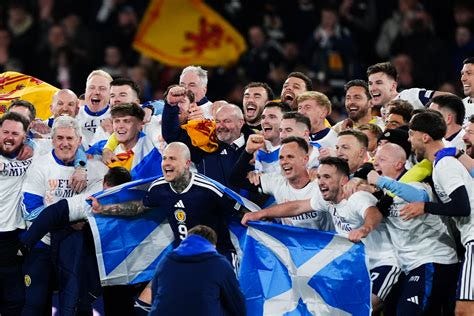
A proud football nation, yes. A respected opponent, certainly. A dangerous team with history, toughness, and support that can shake a stadium. But Morocco no longer fears the old symbols of European football culture. Not the songs. Not the kilts. Not the noise. Not the reputation. Not the mythology.
And in Boston, Morocco struck before Scotland could even settle into the night.
Ismael Saibari hit them almost immediately, a lightning strike inside the opening minutes that told the match what it was going to be before the Scots had time to argue with it. Scotland pushed. Scotland complained. Scotland wanted calls. Scotland believed decisions could have changed the match. Fine. That is football. Every nation has its grievance after defeat. But the scoreboard did not carry a footnote.
Morocco 1, Scotland 0.
That is not poetry. That is evidence.
Evidence that Qatar 2022 was not lightning in a bottle. Evidence that Morocco’s rise was not a tournament accident. Evidence that African football, led by Morocco at the tip of the spear, is no longer waiting politely outside the gates of the old football aristocracy.
The world loves underdog stories because underdog stories are supposed to end. They become comfortable memories. They allow powerful nations to clap, smile, and then reclaim their place at the head of the table. That is the script. That is the arrangement. That is the old order.
Morocco refuses to follow it.
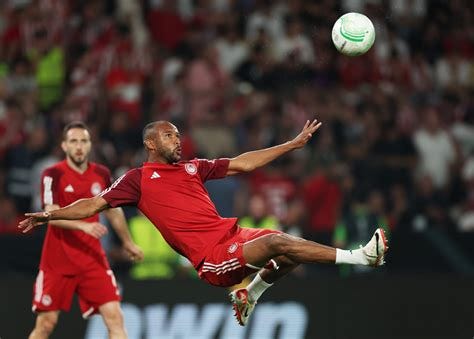
Hakimi still flies down the flank with purpose. Bounou still commands his penalty area with the calm of a veteran warrior. Amrabat still brings steel to the midfield. Around them, Ouahbi has introduced fresh belief, younger legs, and fearless ambition. Saibari’s goal against Scotland was not just a goal. It was a message from the new generation to the old establishment.
The message was simple. We are not leaving. For decades, the world thought Casablanca was a movie. Now they are discovering it was a football factory all along.
And maybe that is what makes people uncomfortable. Morocco is no longer asking for permission to belong among football’s elite. Morocco is taking its place. The Atlas Lions are not requesting respect through speeches, slogans, or emotional appeals. They are collecting results. They are forcing the conversation. They are making analysts rewrite the same lazy scripts they should have thrown away in 2022.
So yes, I will ask it again. Am I the FIFA whisperer?
I called the run in 2022 when everyone else called it a miracle. I said Morocco was not finished. I said African football was changing. I said Casablanca, Rabat, Marrakech, Tangier, and every dusty pitch in between had produced more than a romantic football fairy tale. They had produced a serious football nation.
Now Morocco has drawn with Brazil and beaten Scotland. What exactly must happen before the establishment admits what has been obvious to those of us who lived it?
The semifinal run of 2022 was not the destination. It was the warning.
Morocco is not here to be admired. Morocco is here to contend.

At what point will the FIFA world realize that Sully and Bombadiko ARE the real deal. They need to stop listening to the PUNDITS who are calling for the same, old school nations to finish on top. They may, in fact do so – – but without acknowledging the new generation of football power and dominance, they will be left in the dust still screaming for the likes Of an aging Ronaldo, who seems to have passed his heyday.