
Hockey’s Warrior Problem: Claude Lemieux and CTE
Four Stanley Cups made Claude Lemieux a legend. The hidden cost may define his final legacy.


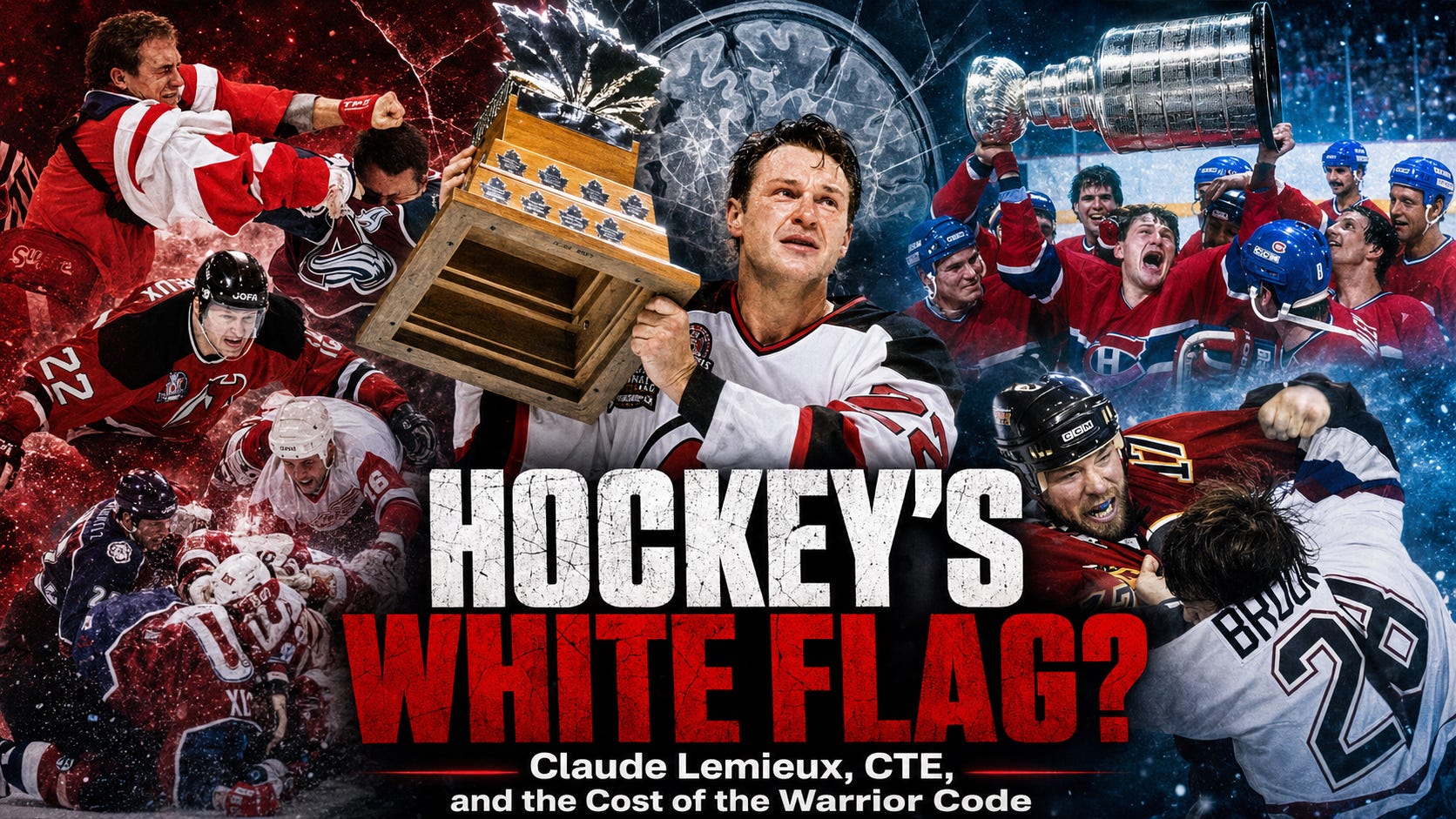
LUTHMANN NOTE: Claude Lemieux was the kind of player modern sports executives love to sell and hate to explain. He was the villain, the champion, the agitator, the clutch assassin, the man who made the other bench boil and his own locker room believe. But when these warriors leave the ice, too many are left alone with the bill: damaged brains, damaged families, and damaged lives. Suicide is complex, and Lemieux’s family is right to demand compassion. But compassion without accountability is just public relations. The NHL, NFL, boxing, and MMA need to set aside lifelong care funds for the men who built their empires. This piece is “Hockey’s Warrior Problem.”
By Matt “Sully” Sullivan
Claude Lemieux, who passed away at age 60 in May 2026, carved out one of the most polarizing yet impactful careers in modern NHL history. Over 21 seasons and stints with six teams, the right winger won four Stanley Cups— with the Montreal Canadiens in 1986, the New Jersey Devils in 1995 and 2000, and the Colorado Avalanche in 1996.
He earned the Conn Smythe Trophy as playoff MVP in 1995, delivering clutch performances with 80 career playoff goals. Yet his championship résumé, spanning decades from the mid-1980s to the early 2000s, tells only part of the story. What Lemieux left behind was something deeper: a reputation as one of the rare characters in the last 50 years of NHL hockey who embodied the game’s raw, unrelenting spirit.
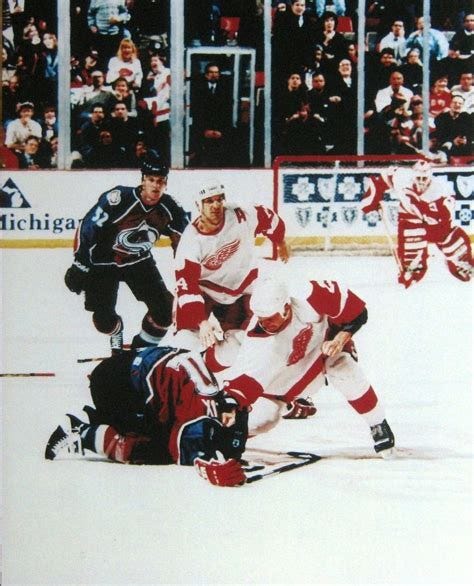
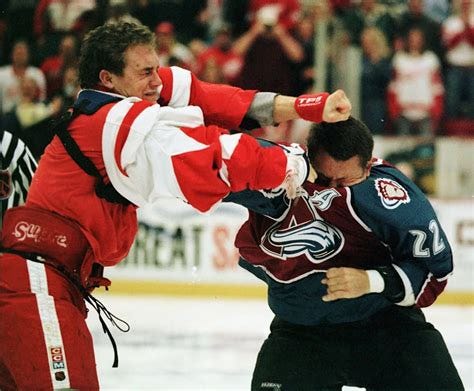
Lemieux was the ultimate agitator—a pest who thrived on the edge. Teammates loved his game for its intensity, leadership, and willingness to do whatever it took to win. Opponents, however, despised him. He drew penalties, sparked brawls, and got under skins like few others, most infamously with his hit on Detroit’s Kris Draper in 1996. This divide defined him as a true warrior. In hockey’s tribal world, universal love from one’s own and visceral hatred from rivals signal authenticity. Lemieux wasn’t defined primarily by affection from teammates but by the fierce opposition he provoked. That friction fueled his success in high-stakes playoff moments, where his competitive fire elevated teams.
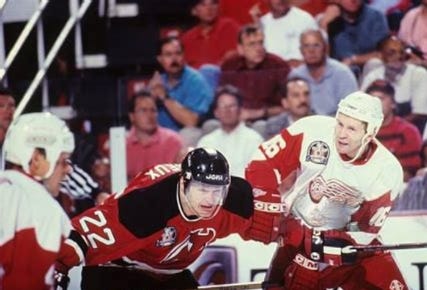
His long journey through the NHL came at a physical and mental cost. The game Lemieux played—full of heavy hits, fights, and relentless physicality—has increasingly been linked to chronic traumatic encephalopathy (CTE), the degenerative brain disease caused by repeated head trauma. Lemieux’s death by suicide brought renewed attention to these issues. Like many enforcers and agitators of his era, he absorbed and delivered punishment that modern rules have curtailed.
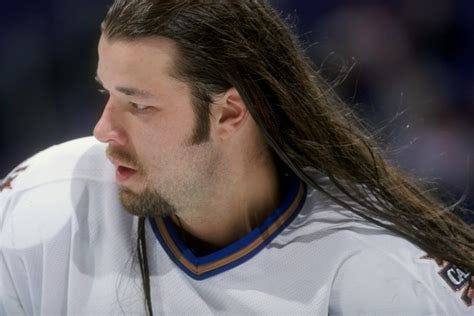
The NHL has faced criticism for skirting the connections between CTE, mental health struggles, and suicides among its “true warriors.” Chris Simon, a former teammate of Lemieux’s on the Avalanche and a noted tough guy, died by suicide in 2024 at age 52. Post-mortem analysis revealed stage 3 CTE, with pathology likely contributing to depression and cognitive issues. Other players over recent years have met similar tragic ends, highlighting a pattern among those who played the game hardest. The league has acknowledged losses and supported mental health initiatives, but critics argue it has historically underplayed long-term risks from the sport’s violent demands, especially for players like Lemieux and Simon who embodied that physical edge.
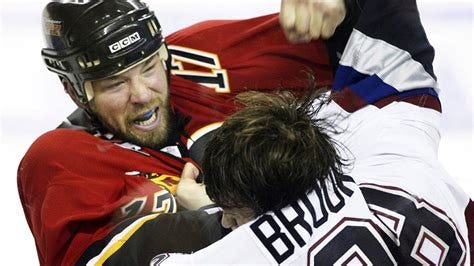
The tragedy of CTE extends far beyond hockey and demands a broader conversation across all major contact sports. The NHL, NFL, professional boxing, and mixed martial arts have generated billions of dollars in revenue through the sacrifices of athletes who willingly entered arenas, rinks, rings, and cages to entertain millions. Yet many critics argue that these leagues have failed to establish sufficient long-term funding and support systems for the warriors—and the families they leave behind—when careers end in cognitive decline, depression, dementia, addiction, or suicide. These athletes helped build global sports empires, often at the expense of their own physical and neurological health, only to face life-altering consequences with limited resources once the spotlight faded. Too often, they have been treated as disposable assets, driven relentlessly like cattle on a Colorado prairie or a western Canadian ranch, valued primarily for their ability to produce results and revenue. The deaths and struggles of former players and fighters should serve as a call for awareness that reaches beyond what fans, leagues, and society have traditionally been willing to confront. Unless meaningful action is taken—including expanded research, dedicated financial assistance, and lifelong care programs—we risk losing more great warriors to the hidden wounds of North America’s most celebrated alpha-male sports.
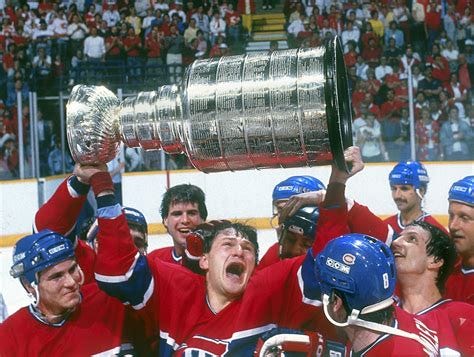
Lemieux’s story is one of triumph shadowed by consequence. Four Cups and playoff heroics represent excellence, but his polarizing style and the invisible toll of head trauma paint a fuller picture. He was a competitor who made enemies as easily as allies, a sign of someone fully committed to the fight. As the hockey world mourns, his legacy urges reflection on the human cost behind the glory—reminding us that warriors on the ice deserve better protection and support long after the final whistle.
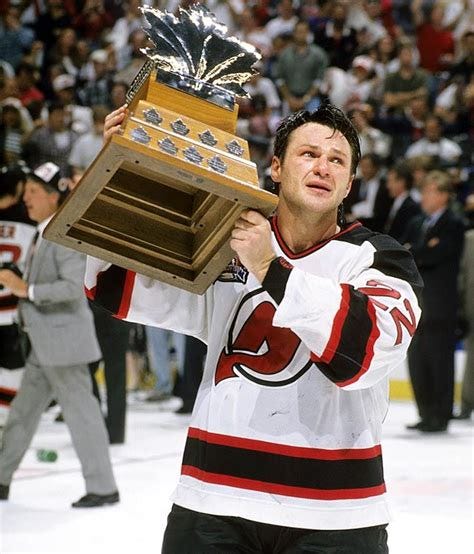
The sport must confront these realities openly if it hopes to honor players like Claude Lemieux, whose impact transcended statistics. His journey, marked by resilience amid opposition, leaves a complex but enduring mark on NHL history.

The problem is that too many fans are entertained by tough guys pummeling each other's heads -- and the NHL capitalized on it for decades. It didn't take a genius or a medical doctor to see that that could cause problems down the road. It was like cock fighting for humans. To their credit, the NFL never allowed this kind of spectacle.