
Lubbock Lake 7 Murder
Dead Witness, Stolen Ranch, and the Family Court Machine in Lubbock



LUTHMANN NOTE: This is why independent journalism exists. The official story says Lake 7 is about water, growth, and the future of Texas. Fine. But the hidden story is Brice Chapman’s ranch, bogus family-court bills, a courthouse auction, scummy insider lawyering, and Joe Alpanalpa dead after allegedly recording the wrong thing. Dave Weigel’s Family Court Fraud Warrior Project is doing the work that captured institutions refuse to do: collecting receipts, organizing victims, and exposing patterns. Family court was not the sideshow here. It was the weapon. The question remains simple: Who killed Joe Alpanalpa — and who got paid? Texas Attorney General Ken Paxton, Mayes Middleton, and Chip Roy should all be digging into this one because this is the type of public corruption investigation that wins elections. The Trump DOJ already has it. This piece is “Lubbock Lake 7 Murder.”


By Frankie Pressman and Richard Luthmann
The Official Story: Water for the Future
(LUBBOCK COUNTY, TEXAS) – On paper, Lake 7 is a clean civic-development story. Lubbock needs water. Texas is growing. Officials are planning for the future. The Lubbock Economic Development Alliance described Lake 7 as a key part of Lubbock’s long-term water strategy, tied to Texas’s massive $20 billion water-infrastructure push, with the future lake planned near Buffalo Springs Lake and 50th Street.
The City of Lubbock separately announced that Lake 7 reached an “important milestone” when the city purchased the 1,500-acre V8 Ranch. That deal, according to the city, gave Lubbock more than 85% of the land needed for the project. Lake 7 is billed as a renewable water source and an integral part of Lubbock’s 100-year water plan.
That is the official version: progress, water, infrastructure, and growth. But Richard Luthmann’s latest discussion with Amy Duncan of Dave Weigel’s Family Court Fraud Warrior Project tells a much darker story.
Their focus is on Brice Chapman, Joe Alpanalpa, and the allegation that Lake 7 is not merely a public works project — it is the backdrop for a courthouse land grab and murder.
Lubbock Lake 7 Murder: The Cowboy Who Wouldn’t Sell
Brice Chapman is not some anonymous name buried in a courthouse file. He is a Texas cowboy, performer, rancher, and working symbol of the old American West — the kind of man who built a life around horses, land, grit, and independence. He performed for presidents. He lived the cowboy dream. And, according to Richard Luthmann’s reporting and Amy Duncan’s discussion of the case, that dream became a target the moment Chapman’s land became useful to powerful people behind the Lake 7 project.
Chapman says he did not want to sell. That refusal is the hinge of the entire scandal.
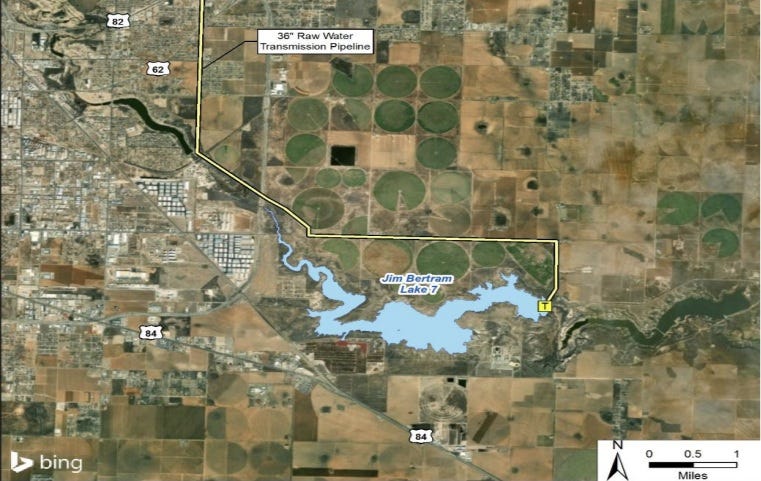
Lake 7 is publicly promoted as Lubbock’s long-term water future, but Chapman and his supporters say his ranch was treated as an obstacle to be removed. When he would not voluntarily give up the land, the pressure allegedly shifted into the family court system, where insiders had more tools, less sunlight, and far more control.
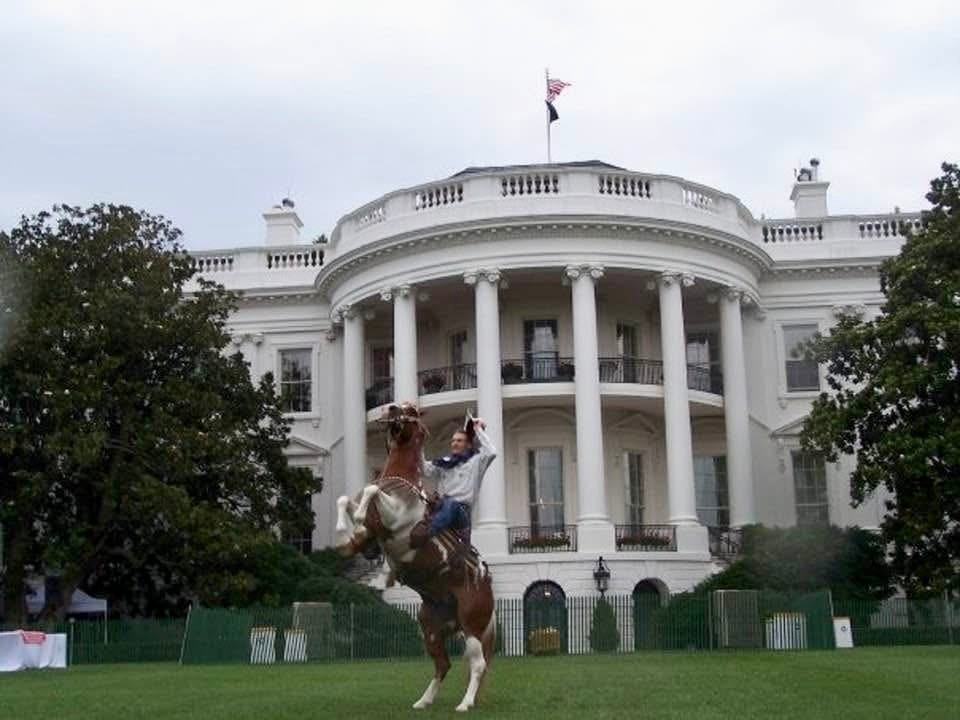

The allegation is simple and vicious: the family court became the weapon. Bogus legal-fee claims, “child support” labels, enforcement orders, liens, warrants, incarceration threats, and property seizures allegedly became the crowbar used to pry Chapman loose from his ranch. What looked on paper like routine family-court enforcement, Chapman says, was really a coordinated effort to isolate him, bankrupt him, jail him, and strip him of the leverage he had as the lawful landowner.
Chapman’s side argues this was never merely about divorce, child support, or unpaid bills. Those were the labels. The real issue, they say, was control of land. His ranch allegedly stood in the path of a massive water project and a potential financial windfall for connected insiders. Family court became the cleanest dirty route: turn disputed fees into enforceable obligations, turn obligations into liens, turn liens into seizure pressure, and turn a private ranch into somebody else’s payday.
That is why this case reaches far beyond Lubbock. If Chapman’s allegations are true, this was not a domestic dispute gone bad. It was a courthouse criminal operation dressed up as family law.
Lubbock Lake 7 Murder: Attorney, Then Judge?
The family-court paper trail sits at the center of the controversy. Chapman’s materials say Stephen L. Johnson was previously an attorney for Brice Chapman’s wife and later signed the final divorce decree as an associate judge. Chapman argues that this made the judgment void and legally contaminated everything that flowed from it.
That issue is not technical. It is foundational. If a judge previously served as counsel in the same matter or for one of the parties in the same controversy, the legitimacy of the proceeding collapses. As Luthmann framed it, if a judge can be the lawyer and the judge in the same fight, due process is dead.
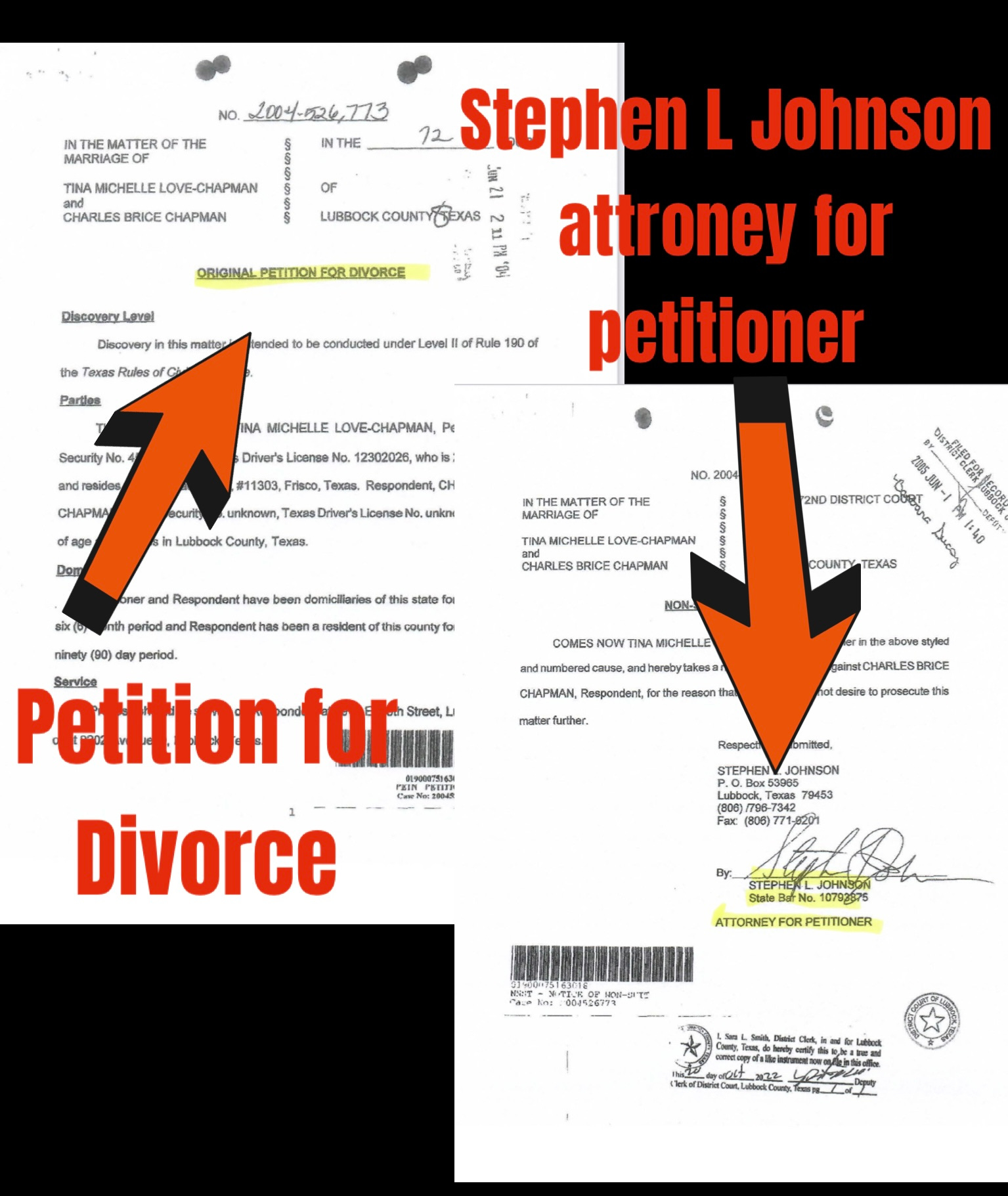
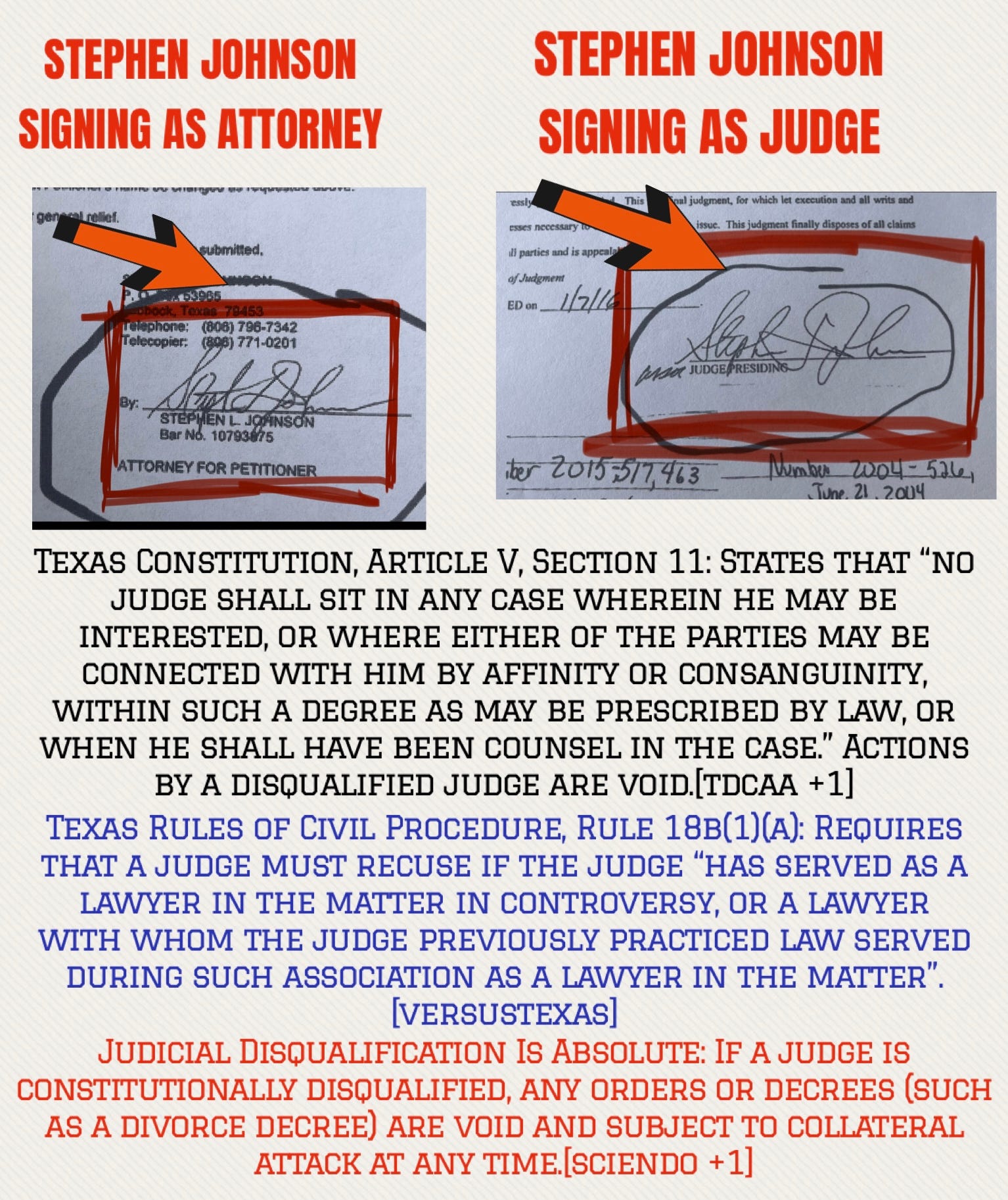

Chapman’s timeline alleges that family-court orders, legal-fee claims, child-support labels, liens, incarceration, property seizures, and later criminal complaints flowed from that disputed foundation. In Chapman’s view, the family court decree was not just wrong. It was void — and the machinery built on top of it was void with it.
Lubbock Lake 7 Murder: The Auction and the Dead Witness
The flashpoint in the Chapman story was the courthouse auction — the moment when the land grab moved from paperwork to physical reality. Chapman’s homestead was reportedly sold on July 6, 2021, for $250,000, despite his objections, despite questions about notice and process, and despite claims that the property was protected Texas homestead land. To Chapman’s side, this was not a normal auction. It was the controlled transfer of valuable property under color of law.


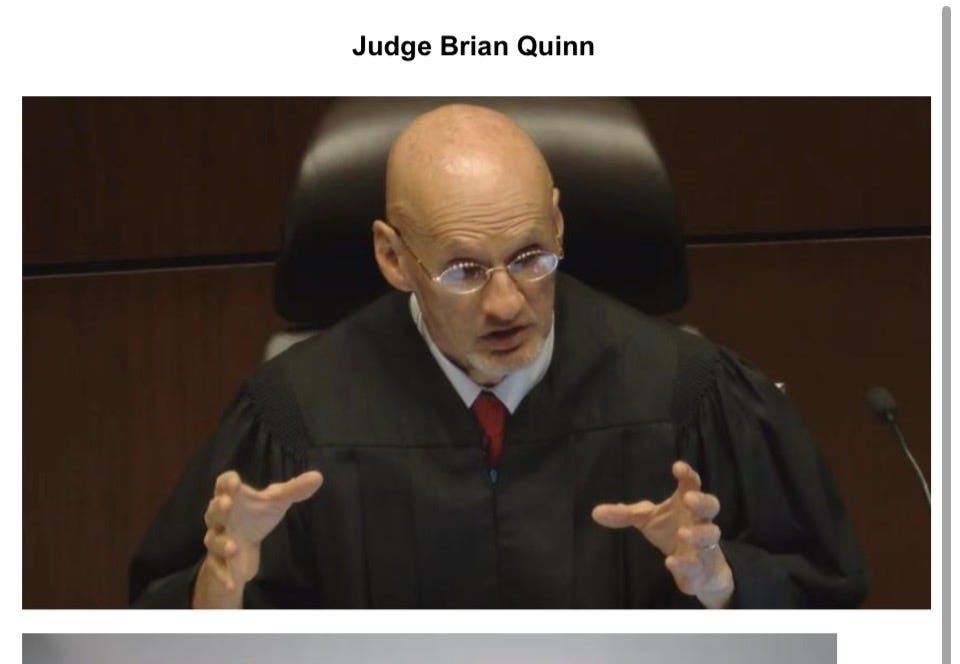
The details make the auction even more explosive. Luthmann and Duncan described a proceeding that allegedly did not unfold like an open, competitive sale. The property was tied to family-court enforcement claims, including disputed legal-fee obligations that Chapman’s supporters say were dressed up as “child support.”
Scummy Lubbock lawyer Matthew Harris helped re-baptize disputed family-court bills into bogus liens—the pretext for a courthouse auction, where Brice Chapman’s protected homestead was sold for $250,000. Insiders circled Chapman’s land like vultures, used the courthouse auction to snatch it for pennies on the dollar, and then flipped it toward the utility-company pipeline with a reported $160 million payday waiting on the back end.
In their view, the auction was not the end of a legitimate debt process. It was the payoff stage of a broader scheme: convert bogus family-court bills into bogus liens, use those liens to attack the ranch, and then move the land into friendly hands at a bargain-basement price.
Then comes Joe Alpanalpa.
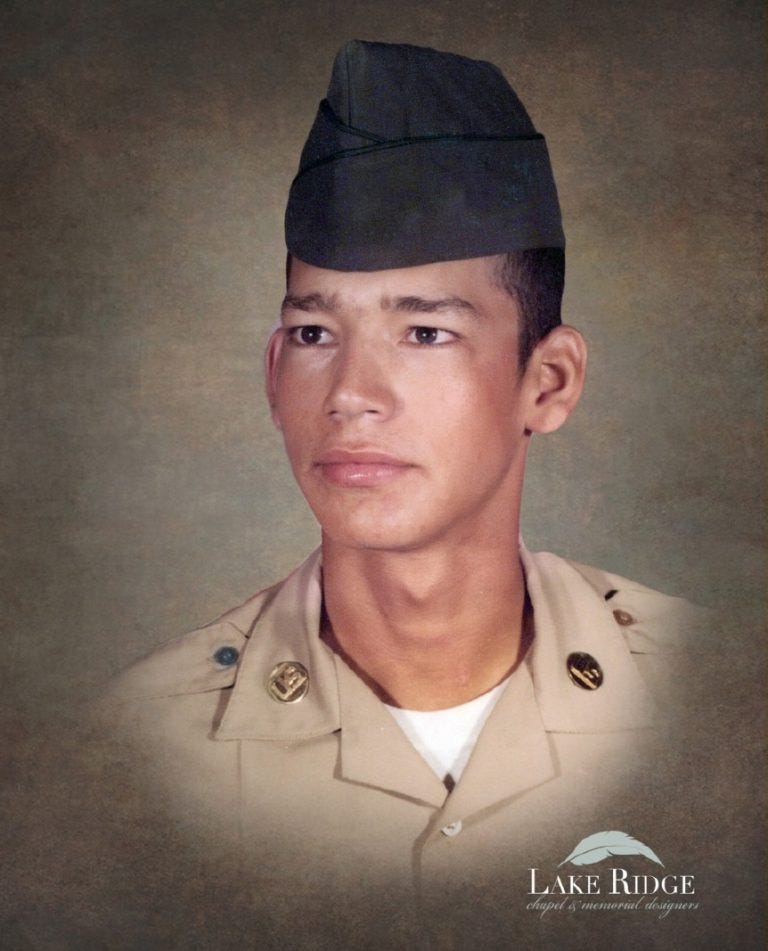
Alpanalpa was a disabled Army veteran and ranch hand on Chapman’s property. He was not a politician, judge, lawyer, or land speculator. He was the man who allegedly witnessed what happened. According to Luthmann’s reporting and Duncan’s account, Alpanalpa recorded the disputed auction. Chapman later sent a notice from jail that the recording existed. Roughly twenty days later, Alpanalpa was found dead inside his trailer on Chapman’s property.
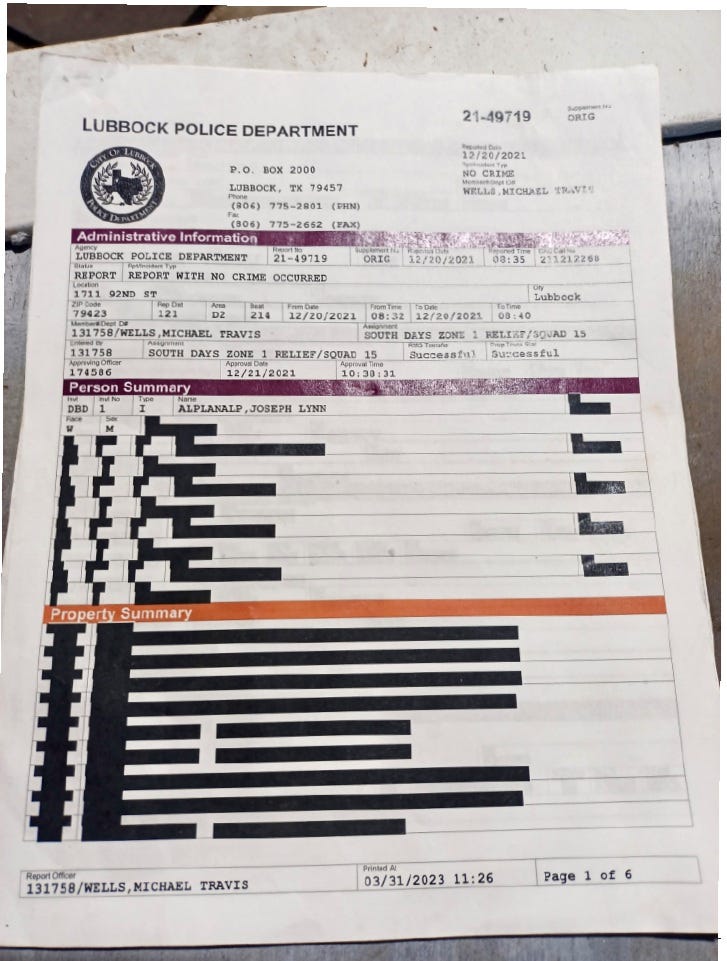
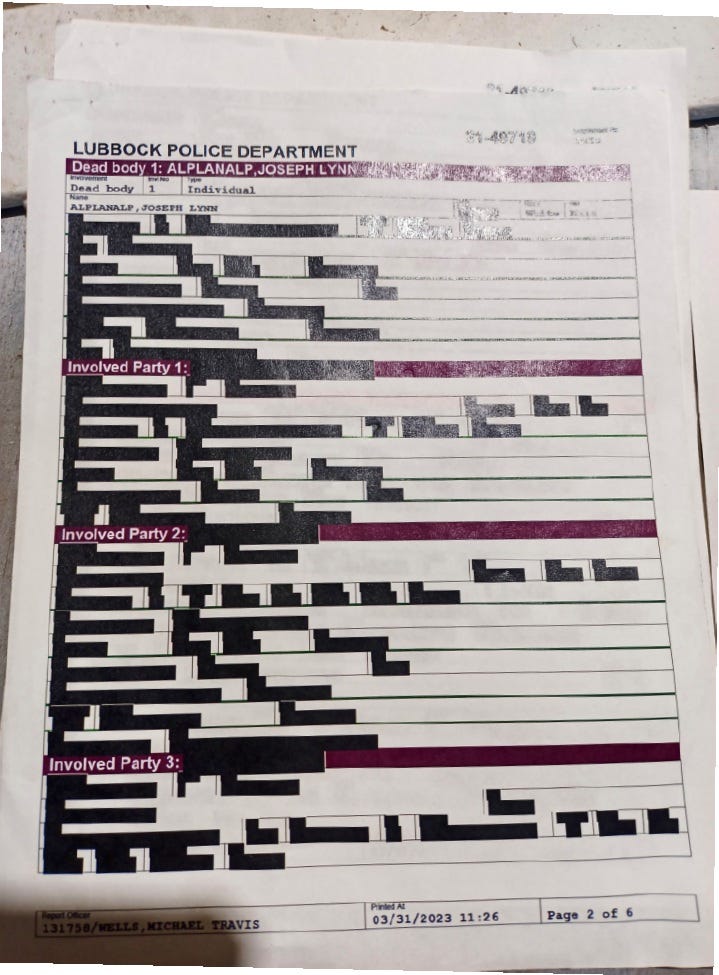
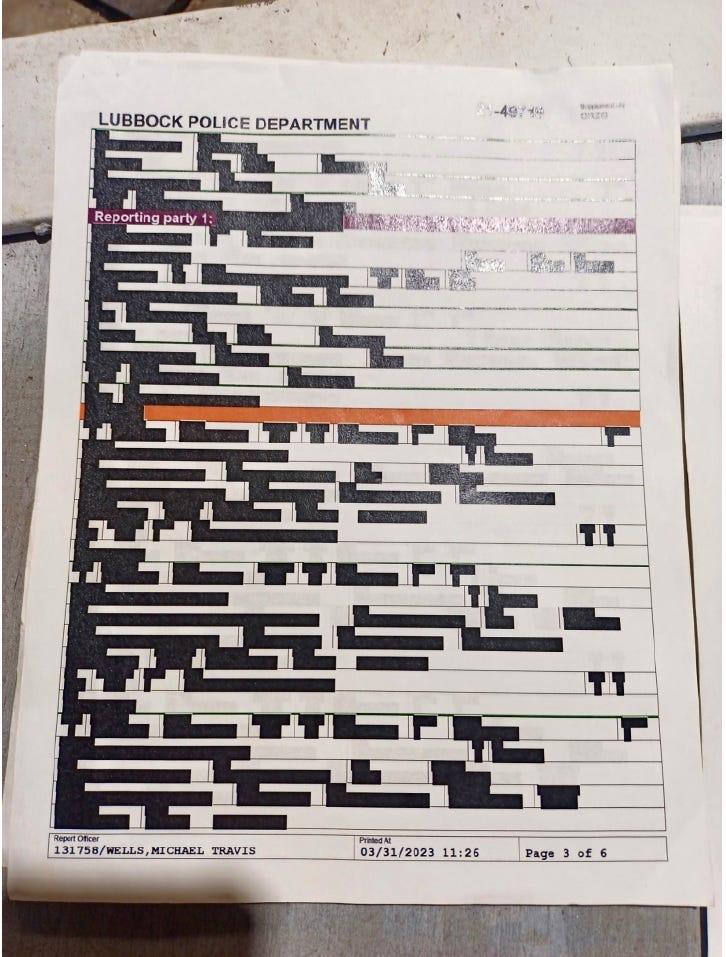
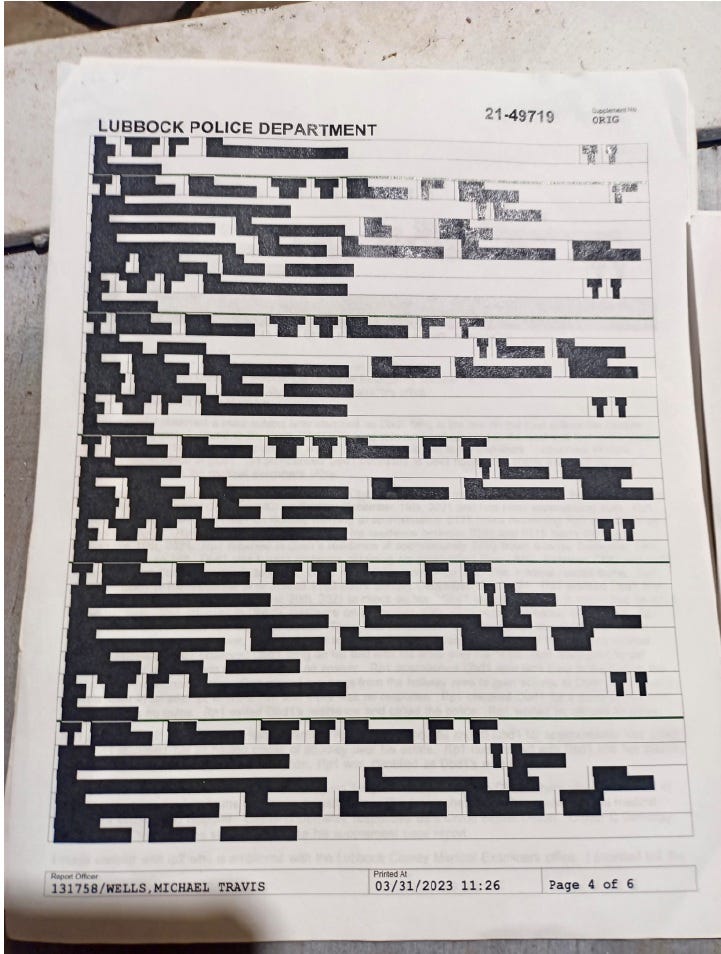
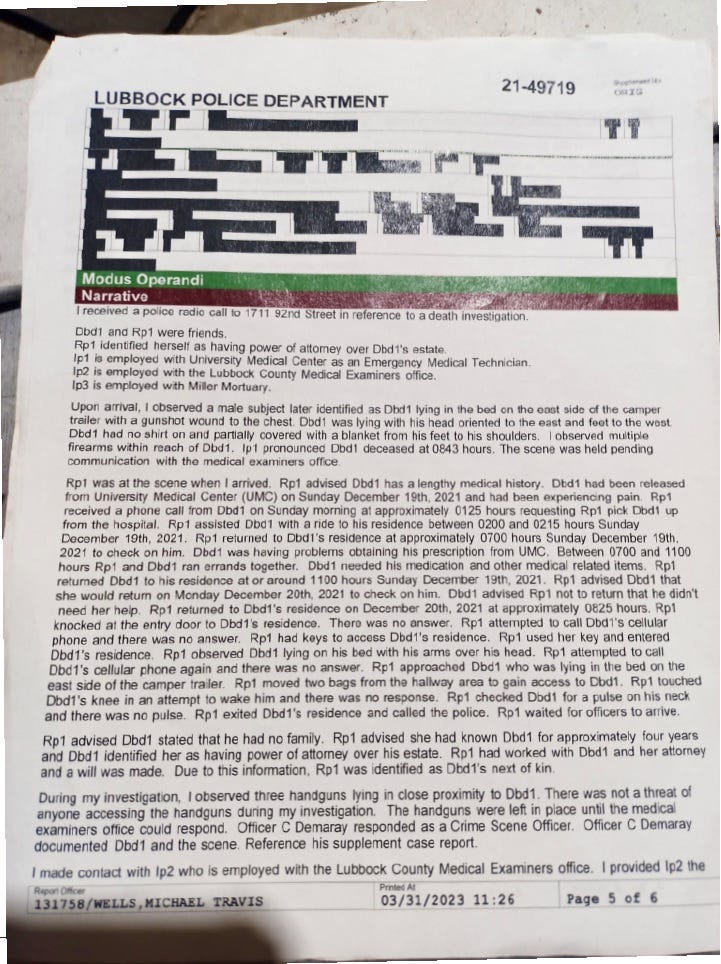
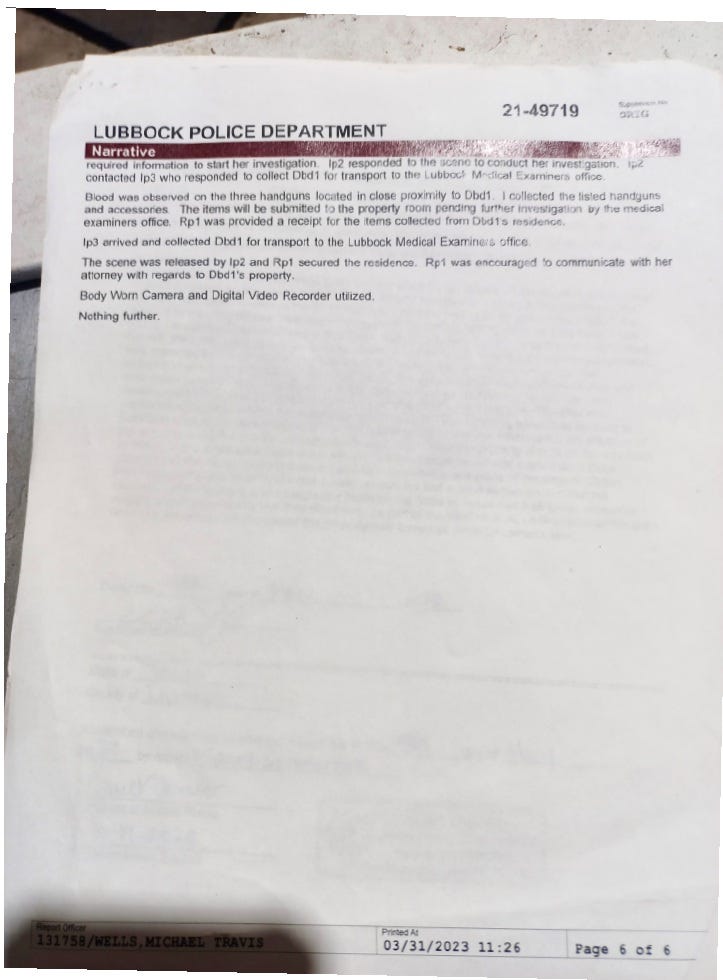
The official position reportedly treated the death as suicide. That conclusion does not survive basic scrutiny. The motive, timing, the auction recording, and the enormous financial stakes surrounding the land create a discrepancy that even a rookie investigator would take a look at. Joe Alpanalpa recorded the wrong thing, at the wrong time, in front of the wrong people. Dangerous people who run the Lubbock County government.
Water projects do not explain dead witnesses. And a dead witness does not belong in the footnotes of a land deal.
Lubbock Lake 7 Murder: The Family Court Fraud Warrior Project
Amy Duncan used the episode to explain why Dave Weigel’s Family Court Fraud Warrior Project matters. This is not another complaint mill or social media grievance page. It is a receipt-gathering operation built to expose patterns in a system that too often hides behind sealed files, vague “best interests” language, and claims that every horror story is just one bad judge or one bitter litigant.
Duncan said Weigel saw “clear evidence” that family court operated like a racket, so he built a structure to collect victim videos, court documents, timelines, polling answers, and data. The goal is to turn scattered stories into proof. One parent can be dismissed. One case can be called complicated. But when the same players, tactics, financial incentives, custody abuses, fee schemes, and retaliation patterns appear again and again, the public can no longer pretend it is accidental.
That is why the Brice Chapman case fits the project’s mission. Chapman says family-court bills, legal-fee claims, “child support” labels, liens, and enforcement orders became the machinery used to pressure him, jail him, and help pry loose valuable ranch land. In that frame, family court was not the sideshow. It was the weapon.
Weigel’s group gives victims structure. It collects receipts. It turns pain into evidence. And it forces the public to confront the ugly truth: family court can destroy people while pretending to help them.
A Public Corruption Story
This is not just a Texas land story. It is a family court story. It is a public corruption story. It is a dead-witness story.
The official story says Lake 7 is Lubbock’s future. The paper trail says land, money, courts, and a dead man. Chapman says his ranch was stolen. Luthmann and Duncan say the receipts demand answers.
The question remains: Who killed Joe Alpanalpa — and who benefited when Brice Chapman lost his ranch?

Was this reported to the DOJ and/or the FBI? I’ve recently reported my family court case that involves corruption of four US District Judges in the US Tax Court and the US 7th Circuit Court of Appeals, in addition to the IRS and the DOJ. https://www.scribd.com/document/976469157/IL-Family-Court-Fraud-Condoned-by-the-IRS-DOJ-US-Tax-Court-and-US-Court-of-Appeals
At any level of the judiciary – – perhaps since Bush 41 – – there is an odor of stink when it comes to the grab for participation in corruption, a simple modern day “pay for play”. If the FBI/DOJ have not reviewed the Lake 7 murder, we’re being failed at a greater level than any patriot would care to believe – – as it appears our last line of defense (the judicial branch) has been finally & forever corrupted, allowing the Neo American communists to fortify their positions, corrupting red, white, and blue weakness, and leaving the integrity and fabric of a once great nation in final demise. “Wake the blank up” America… and get out of the Starbucks drive-through line with your eyes wide-open before it’s too late…