
Speech Into Connecticut Slaves
Paul Boyne Rocks Judge Brown With A Constitutional Haymaker

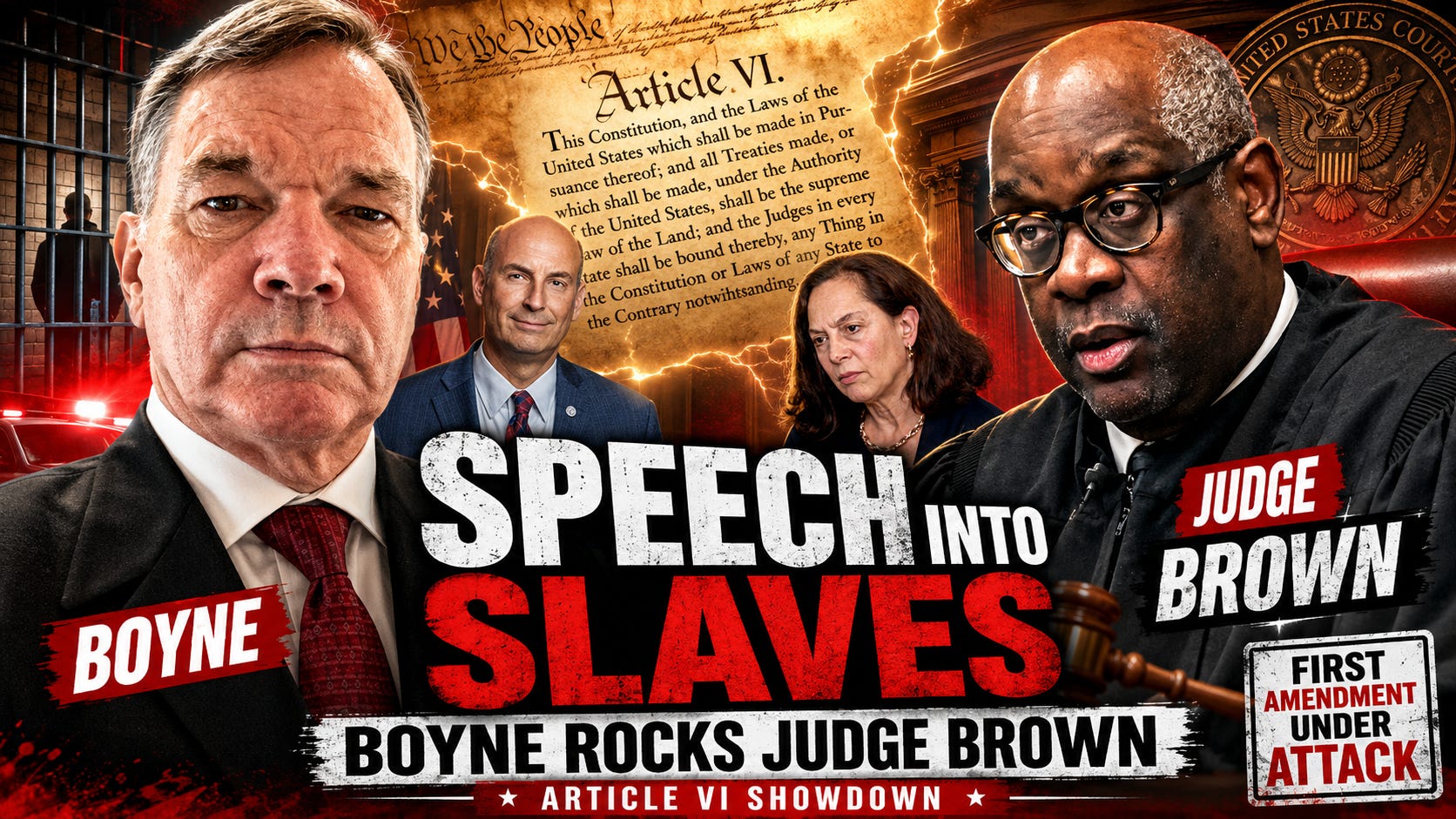
LUTHMANN NOTE: Paul Boyne’s May 15 line should echo far beyond Judge Peter Brown’s courtroom. “When the government can fashion speech into conduct, it can turn citizens into slaves.” That is not drama. That is the danger. The government always wants a label. Stalking. Harassment. Safety. Disorder. But the First Amendment does not vanish because a prosecutor finds a scarier word. Boyne says Connecticut convicted speech and called it conduct. Chiles v. Salazar says that the game is over. Article VI binds Brown to the Constitution. Now the record war begins, and Connecticut has to answer the question it keeps dodging. This piece is “Speech into Connecticut Slaves.”

By Richard Luthmann
(NEW HAVEN, CONNECTICUT) — Paul Boyne walked into Judge Peter Brown’s courtroom on May 15 and fired the first shot before the lawyers could bury the fight in procedure.
“When the government can fashion speech into conduct, it can turn citizens into slaves.”
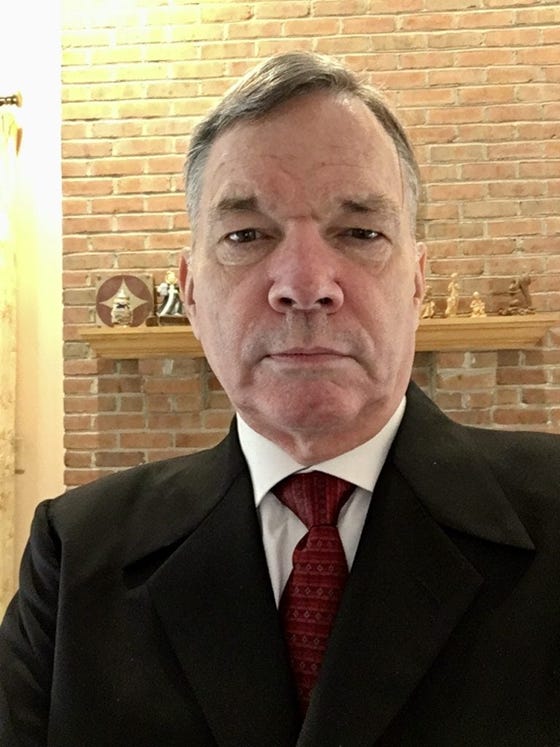
That was not just a line. It was the whole Boyne case in one sentence. From a Connecticut jail cell, Boyne had been sharpening the same argument for days: Connecticut did not prosecute conduct; Connecticut prosecuted speech and dressed it up as stalking. In Boyne’s view, that makes his conviction unconstitutional under the First and Fourteenth Amendments, forbidden by Article VI, and dead under the U.S. Supreme Court’s fresh ruling in Chiles v. Salazar, 607 U.S. ___ (2026).
Judge Brown was not amused. Boyne said he opened with the “speech into conduct” line, and Brown was stunned before giving him “the look of death.” The hearing covered Boyne’s motion to disqualify prosecutors, his motion for acquittal, and requests for standby counsel, transcripts, exhibits, and discovery.
The timing is brutal for Connecticut. Chiles was decided by SCOTUS on March 31, 2026. Justice Neil Gorsuch wrote that speech does not become conduct just because the government says so, and that “The First Amendment is no word game.” The Court also cited NAACP v. Button, 371 U.S. 415, 429 (1963), for the rule that constitutional rights cannot be circumscribed by “mere labels.”
That is the hammer Boyne brought into Brown’s courtroom.
Speech Into Connecticut Slaves: The Transcript Fight Puts Brown In A Procedural Box
The May 15 hearing quickly became a war over the record. Lasting about 90 minutes, much of the discussion centered on preparations for the acquittal motion. Boyne’s position was direct: once the court allowed him to file a motion for acquittal, the court needed the full record before it. That means transcripts.
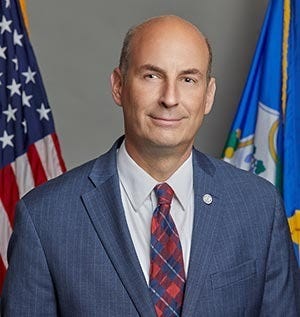
State’s Attorney Jack Doyle resisted. Boyne said Doyle stood up and argued that the Connecticut Practice Book contained no requirement that transcripts be produced for the motion. Boyne answered with the kind of point Connecticut courts hate because it cuts through the local-rule fog: a court’s inherent power does not begin or end with the Practice Book.
Brown ultimately approved transcripts for hearings and trial dates from January 1 through May 15, with the State paying for them.
That ruling matters. Boyne’s motion is not a routine “no reasonable jury” filing. It attacks the theory of the case. He says the State used blog posts, publications, alleged address disclosure, viewpoint, and criticism of judges as stalking predicates without first proving that the speech fell outside the First Amendment.
That is where Brandenburg v. Ohio, 395 U.S. 444 (1969), comes in. Brandenburg protects even inflammatory advocacy unless it is directed to inciting imminent lawless action and likely to produce that action.
If Connecticut answers “true threats,” Boyne points to Counterman v. Colorado, 600 U.S. 66 (2023). Counterman requires proof of a culpable mental state in true-threat prosecutions. Recklessness is the constitutional floor. Without that First Amendment gatekeeping, Boyne says the verdict cannot stand.
Speech Into Connecticut Slaves: Article VI Becomes The Center Of The Fight
Boyne’s legal strike runs through Article VI. The Supremacy Clause says the Constitution is “the supreme Law of the Land,” and that “the Judges in every State shall be bound thereby.” U.S. Const. art. VI, cl. 2. It also requires state executive and judicial officers to support the Constitution.
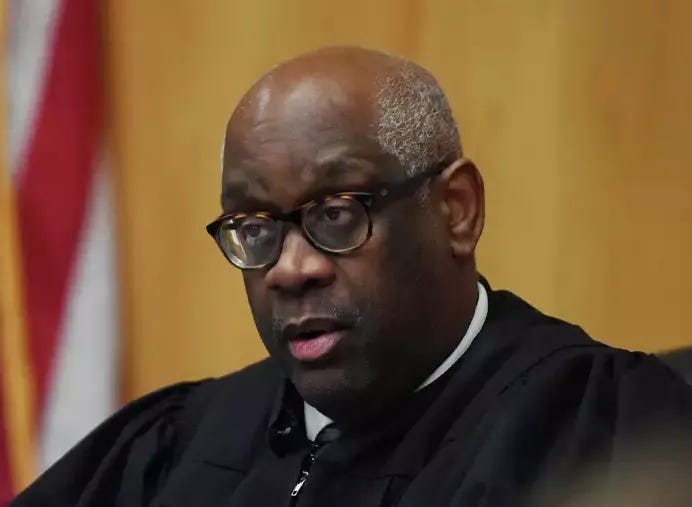
Boyne reads those words as a command to Brown, not an invitation to pass the buck. He says a state trial judge cannot see a First Amendment violation, shrug, and tell the defendant to raise it on appeal after prison doors close behind him. That, Boyne argues, turns Article VI into wallpaper.
The doctrine is not fringe. In Cooper v. Aaron, 358 U.S. 1 (1958), the Supreme Court made clear that state officials may not “war against the Constitution” while pretending local power sits above federal law. Boyne is now applying that civil-rights-era command to a speech prosecution.
His claim is not that Connecticut lacks valid stalking laws. His claim is that Connecticut cannot use stalking laws as a costume for speech punishment. Chiles gives him the modern phrasing. The Supreme Court rejected Colorado’s attempt to regulate speech by calling it treatment or professional conduct.
Boyne says Connecticut made the same forbidden move by calling blog posts stalking.
In Chiles, the Court held that Colorado’s law, as applied to talk therapy, regulated speech based on viewpoint and triggered strict First Amendment scrutiny.
That leaves Brown boxed in. If the conviction rests on speech relabeled as conduct, Boyne says Article VI leaves one lawful option: acquittal as a matter of law and dismissal of all charges.
Speech Into Connecticut Slaves: Discovery Fight Opens A Virginia Back Door
The hearing also turned into a discovery war. Boyne said he told Brown that he is now acting as his own counsel and needs possession of all discovery. Doyle vehemently objected, and Brown moved toward a workaround. Discovery would go to standby counsel, who would print it and deliver it to Boyne inside the prison.
But Brown allegedly warned Boyne not to share it, discuss it, or put it online. Boyne said Brown asked whether he understood the order. Boyne replied, “I heard what you said.” Brown pressed him again. Boyne answered, “Oh, yes, quite a bit.”
That exchange was not a sideshow. Boyne sees discovery as the next public-record battlefield. He says the State wants key communications buried, especially communications involving Virginia officials.
One item already surfaced. Boyne says that Virginia Assistant Attorney General Phil Figura had a January 16, 2023, video meeting with Connecticut State Police, Connecticut prosecutor personnel, and Virginia State Police. Boyne claimed the topic was a First Amendment bar to prosecution identified in Connecticut’s prosecutorial review in October 2022.
“Looks like relabeling speech as stalking was the Nutmeg workaround,” Boyne said. “Chiles v Salazar slams the door on that trickery.”
Virginia State Police, Connecticut State Police, the Virginia Attorney General’s Office, and New Haven State’s Attorney Jack Doyle’s office were all involved. If officials knew there was a First Amendment bar and then built a stalking theory around speech anyway, the legal aftermath gets ugly fast.
Speech Into Connecticut Slaves: Brown Denies Disqualification, But The Record War Begins
Judge Brown denied Boyne’s motion to disqualify the prosecutors, finding no violation of professional-conduct rules. But the hearing still gave Boyne what he needed most: a record.
Boyne put Chiles, Article VI, discovery, transcripts, standby counsel, and the speech-as-conduct theory in front of Brown. He also said Brown admitted he had read Chiles. Boyne then asked, in substance: if you read it, what is the problem?
That matters because ignorance is no longer available. Once Brown knows the Supreme Court has said speech cannot be converted into conduct by a government label, Boyne argues Brown must apply that rule. State judges are not free agents. They are bound by the Constitution.
The State’s answer remains predictable. Prosecutors say Boyne’s posts were true threats aimed at judges and that the jury heard evidence of fear, addresses, homes, and intimidation.
Boyne’s answer is just as clear. If the State wanted a true-threats case, it needed to charge, prove, and instruct the jury under the required constitutional standard. It could not smuggle protected speech into stalking counts and call the First Amendment an appellate problem.
That is the whole collision.
Boyne is no longer just fighting sentencing. He is building the record for acquittal, appeal, habeas, civil-rights litigation, bar complaints, and public pressure. His opening line has become the theme of the case.
When the government can fashion speech into conduct, it can turn citizens into slaves.
Boyne says Connecticut did exactly that. Now Judge Brown must decide whether the First Amendment is a living command — or just another Connecticut word game.

The assault on free speech by individuals, groups and governments that wish to silence and control the lives of others is constant. There is a reason that the right to free speech is the very first item in the Bill Of Rights. I'm always so proud of how smart (the relatively young) American founders were. We've come a long way and achieved remarkable things on the strength of those documents, but the fight to maintain our freedoms, especially from constant assaults by people who do not possess and/or oppose the American spirit, is never ending.
Judge Brown ain’t no Clarence Thomas, despite the uncanny physical similarity.