

NOTE: This outlet qualifies as a journalistic outfit under Florida Law.
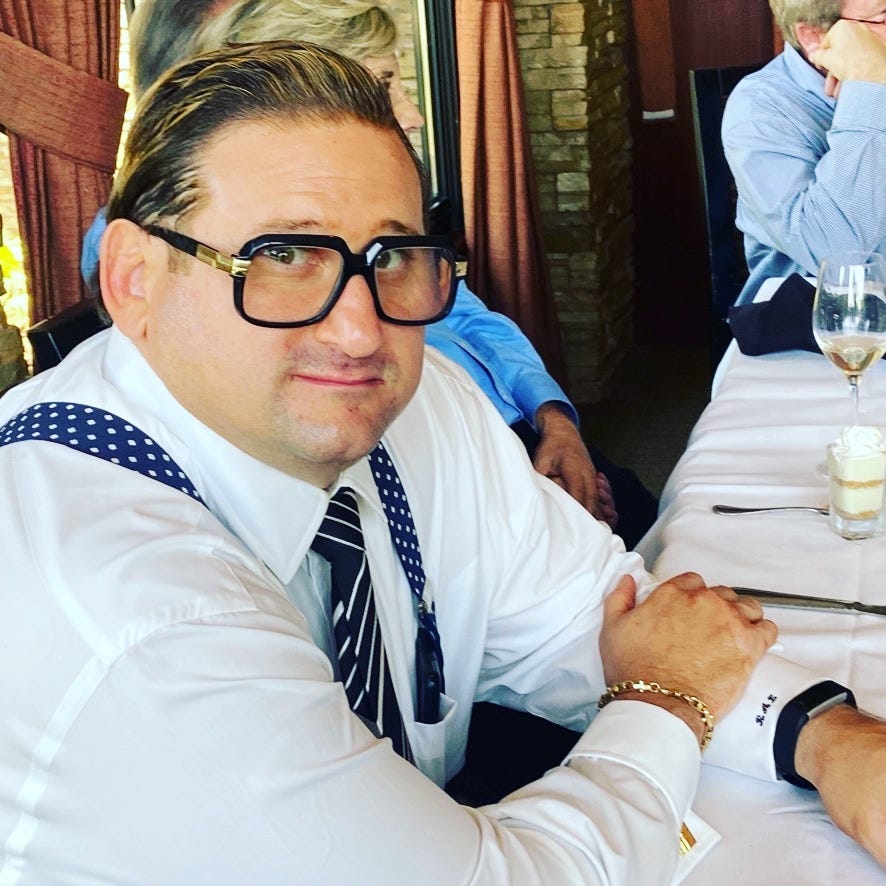
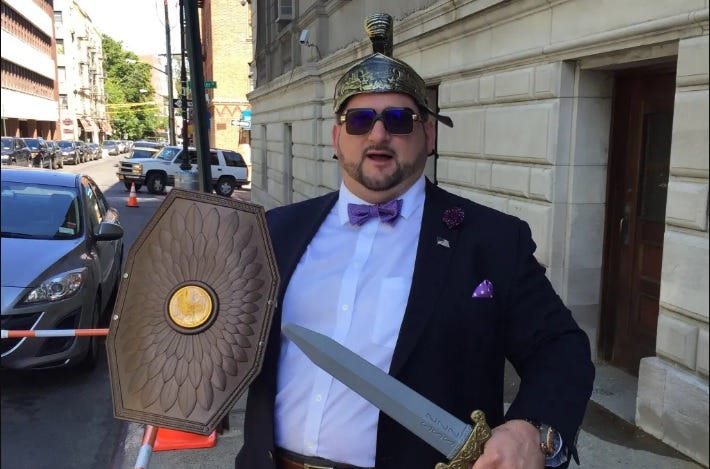
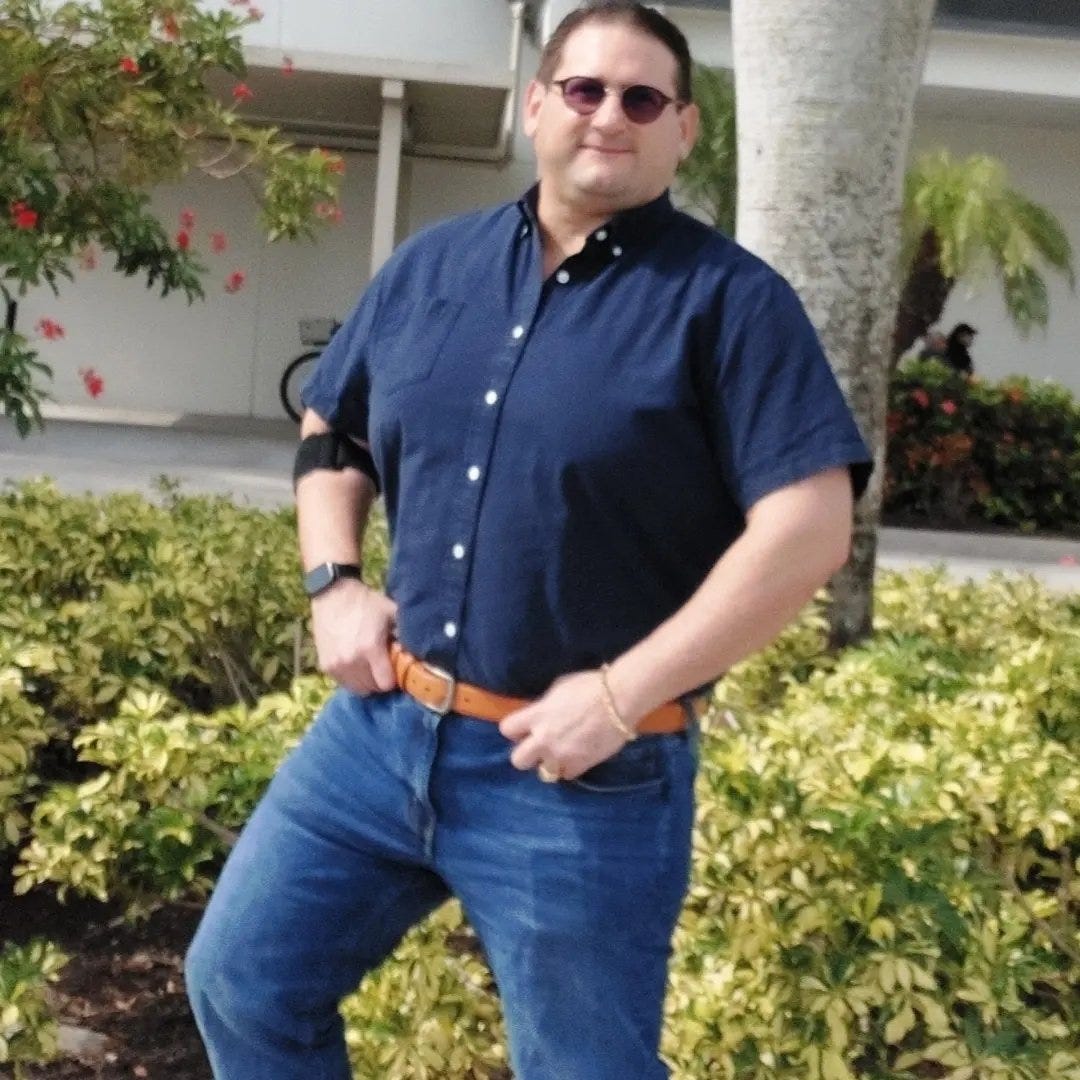
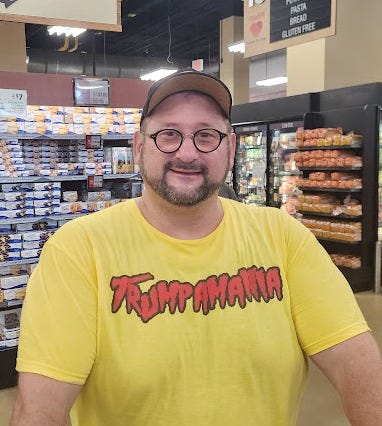
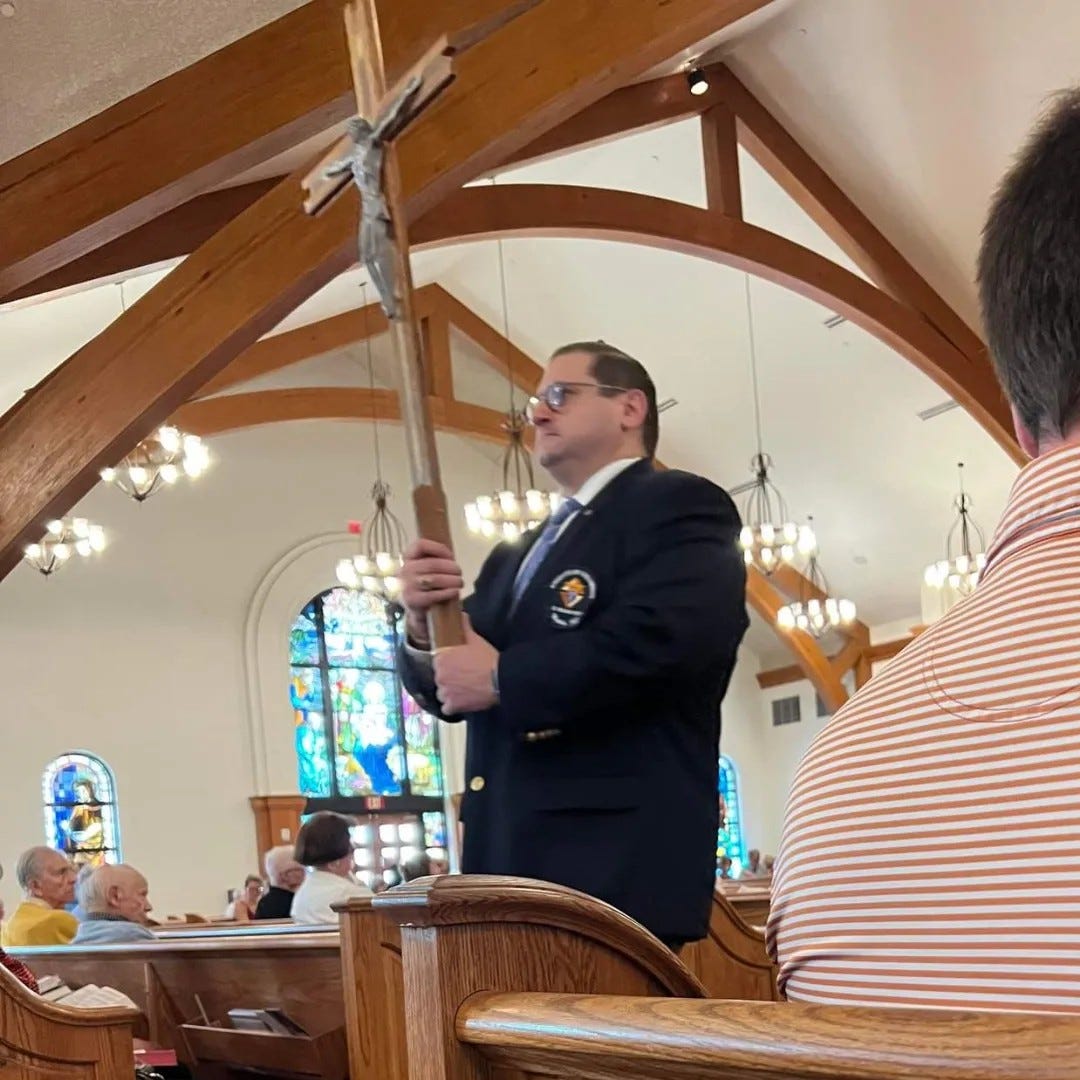
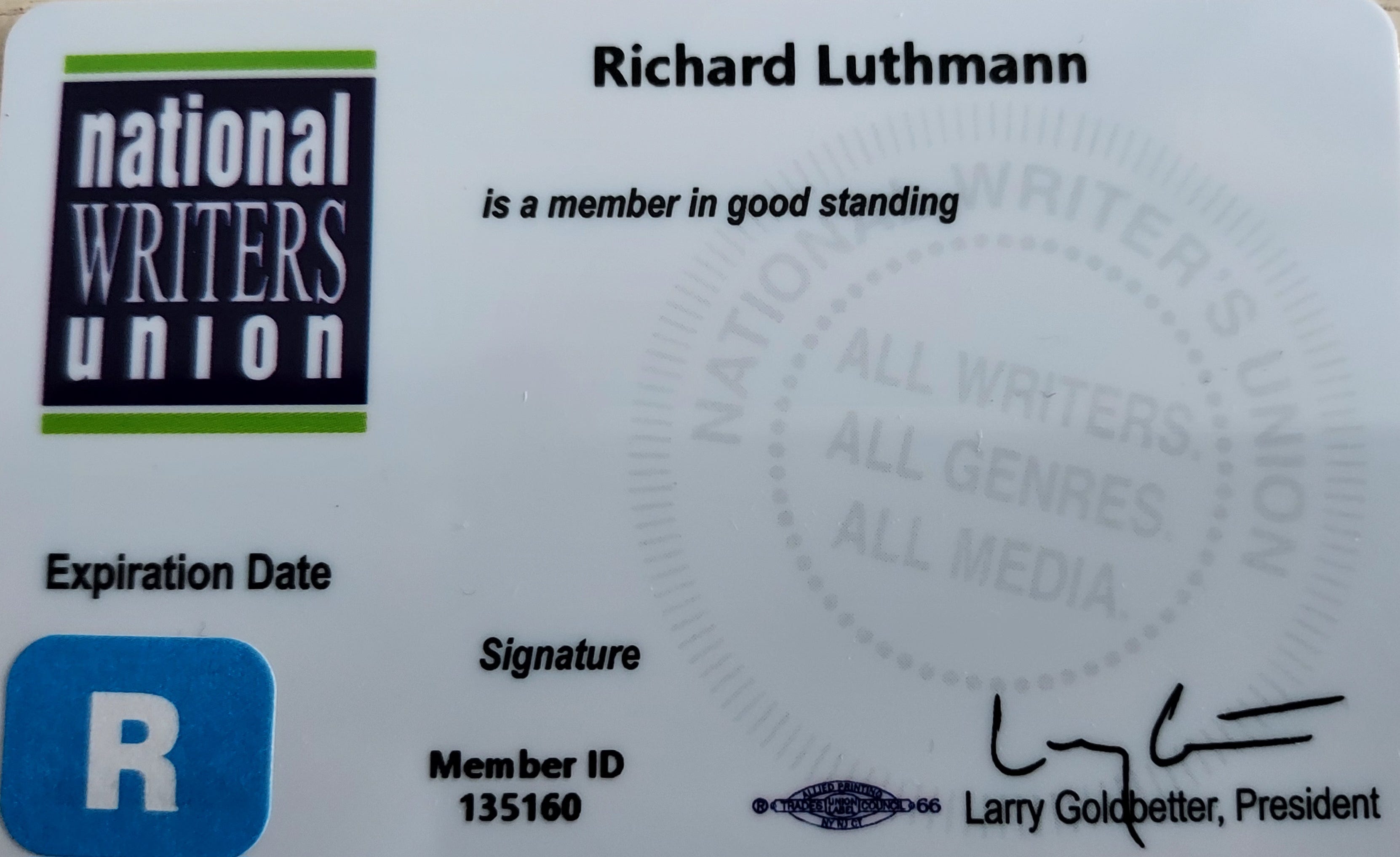
Who is Richard Luthmann?
Richard A. Luthmann is an investigative journalist, editor, and legal analyst who reports on government corruption, judicial misconduct, political retaliation, family court abuse, and law enforcement overreach. A graduate of Columbia University and the University of Miami School of Law, Luthmann uses his legal background and extensive court-system experience to uncover hidden records, expose public-sector misconduct, and analyze high-profile cases.
He is the editor of TheFamilyCourtCircus.com, a national watchdog publication, and a contributor to FLGulfNews.com and NYNewsPress.com. Luthmann also co-hosts The Unknown Podcast, where he breaks investigative stories about prosecutorial abuse, online harassment networks, and civil rights violations.
His reporting has made him a leading voice in independent journalism, especially on issues involving family-court corruption, political weaponization of the justice system, and transparency in government.
Contact Richard Luthmann at 239-631-5957 or richard.luthmann@protonmail.com.

What “genre” am I reading?
We are often asked whether this work is journalism.
Yes.
We are asked whether it is reporting.
Yes.
We are asked whether it is satire.
Yes.
Those answers are not contradictions. They are the point.
Journalism is the gathering, testing, arranging, and presenting of news and information. Reporting is the more disciplined act of collecting facts, records, testimony, denials, contradictions, and context so the public can see what powerful people would rather keep buried. Satire is the use of wit, irony, exaggeration, mockery, and sarcasm to expose vice, stupidity, corruption, cowardice, and fraud.
We use all three because the moment demands all three.
This site is “newsy,” but not neutered. We discuss public controversies. We gather information. We publish facts. We analyze patterns. We quote documents. We follow the receipts. We name names. We expose lies, hypocrisy, graft, misconduct, institutional rot, and every species of official shadiness. Sometimes we report straight. Sometimes we swing a rhetorical meat cleaver. Sometimes we cannonball over the top because comedy can reveal what sanitized prose conceals.
Our view of journalistic truth is not narrow, sterile, or captive to courtroom admissibility rules. Journalism is not a deposition transcript. It is not limited to what a judge has already blessed, what a bureaucrat has already admitted, or what corporate media has decided the public is allowed to know.
Truth in journalism is closer to unconcealment: the movement from hidden to revealed. A strong investigative piece does not merely announce, “Here is the truth.” It shows the process of disclosure. It lets readers watch concealment collapse through documents, public records, screenshots, court filings, transcripts, emails, bodycam footage, sworn testimony, human witnesses, denials, contradictions, and institutional behavior.
That does not mean anything goes. It means the discipline is different. We verify. We attribute. We provide context. We separate fact from opinion. We identify allegations as allegations. We report denials when they matter. We show our work. But we do not pretend that truth only exists after a committee, court, censor, platform moderator, or corporate newsroom gives permission.
Much of modern public life is staged inside a manufactured simulation of reality. Government actors, political machines, corporate media, consultants, nonprofits, courts, and platform censors often work together to build an approved narrative. They call it “responsible.” They call it “safe.” They call it “trusted information.” Too often, it is a velvet rope around the truth.
Our job is to cut through that rope.
This work draws from classic reporting, investigative journalism, political commentary, polemic, satire, and street-level pamphleteering. It is a genre of its own: politically expressive journalism against censorship, corruption, and narrative control.
It is journalism because it gathers and presents information of public concern.
It is reporting because it investigates people, institutions, records, and events.
It is satire because ridicule is sometimes the only honest response to public fraud.
It is opinion because free citizens are allowed to judge what they see.
And it is protected expression because the First Amendment was written for exactly this kind of unauthorized speech.
Our constitutional republic is at a crossroads. Freedom of speech and freedom of the press are under sustained attack. Public officials and their private allies increasingly use litigation, censorship, platform pressure, lawfare, and reputational blacklisting to punish dissent. The partnership between establishment government power and corporate media power has produced a dangerous new orthodoxy: obey the narrative, or be labeled dangerous.
We reject that bargain.
We stand on the front lines for the right to collect information, publish information, criticize public officials, mock powerful frauds, expose misconduct, and advance unauthorized narratives without fear of pretextual retaliation.
Authoritarians may call this dangerous.
Censors may call it disinformation.
Oathbreakers may call it harassment.
Platform hall monitors may call it unsafe.
We call it journalism.
Enter this arena with your eyes open. In today’s America, telling the truth as unconcealment may get you branded a thought-criminal.
So be it.
"Nihil est incertius vulgo, nihil obscurius voluntate hominum, nihil fallacius ratione tota comitiorum.” (Nothing is more unpredictable than the mob, more obscure than public opinion, and more deceptive than the whole political system.)
~ Marcus Tullius Cicero
The news media is a critical check on the powerful, serving as a watchdog to hold elected officials and other public figures accountable for their actions. Edmund Burke first called the media the fourth estate in 1821, wanting to point out its power. The press plays a crucial role in providing citizens with access to information about what is happening in government and shining a light on corruption, abuse of power, and other forms of wrongdoing.
Subscribe to get full access to the newsletter and website. Never miss an update.

To find out more about the company that provides the tech for this newsletter, visit Substack.com.
