
First Amendment Train Wreck in Connecticut
Paul Boyne Got 20 Years For A Blog — And the Connecticut Judiciary Should Be Ashamed



LUTHMANN NOTE: Paul Boyne may not be everyone’s idea of a polite reformer, and that is exactly the point. The First Amendment was not written for polite reformers. It was written for the abrasive, the hated, the inconvenient, and the politically dangerous. Connecticut’s courthouse class took a family court critic, labeled his blog as cyberstalking, and produced a 20-year sentence that looks like a warning to every parent, reporter, whistleblower, and dissident who dares challenge judicial power. If Boyne’s jury did not receive the real constitutional test, this case is not merely harsh. It is a First Amendment disgrace. This piece is “First Amendment Train Wreck,” first available on TheFamilyCourtCircus.com.


By Dick LaFontaine with Richard Luthmann
(NEW HAVEN, CONNECTICUT) – Paul Boyne is not a bank robber. Neither is he a drug lord or a mob boss. He is a 64-year-old family court critic who ran a website, wrote blistering political commentary, and became the latest example of what happens when the courthouse crowd decides that speech about judges is more dangerous than crime in the streets.

Connecticut officials call it cyberstalking. The lapdog press repeats the government’s frame. Judge Peter Brown stamped the case with a 20-year prison sentence, followed by 10 years of special parole and sweeping criminal protective orders that reportedly bar Boyne from writing about the judges until 2051. That is not justice. It’s a judicial silencing order with prison bars attached.
The state’s version is ugly. Prosecutors say Boyne posted violent rhetoric, personal information, home details, and vicious anti-Semitic language about three Connecticut judges: Jane Grossman, Elizabeth Stewart, and former Judge Thomas Moukawsher. They say the posts were “true threats,” not protected speech. They say the judges feared for their safety.
But the Constitution was written for ugly speech. It was written for offensive speech. It was written for political speech that enrages officials, embarrasses institutions, and makes comfortable people uncomfortable. The whole point of the First Amendment is that government does not get to criminalize public criticism by calling it “stalking” after the fact.
That is where Judge Brown’s courtroom went off the rails.
First Amendment Train Wreck: The Real Question Was Not Whether Boyne Was Offensive
The question was never whether Paul Boyne’s speech was harsh. The question was whether the jury was properly instructed on the constitutional line between protected speech and punishable threats.
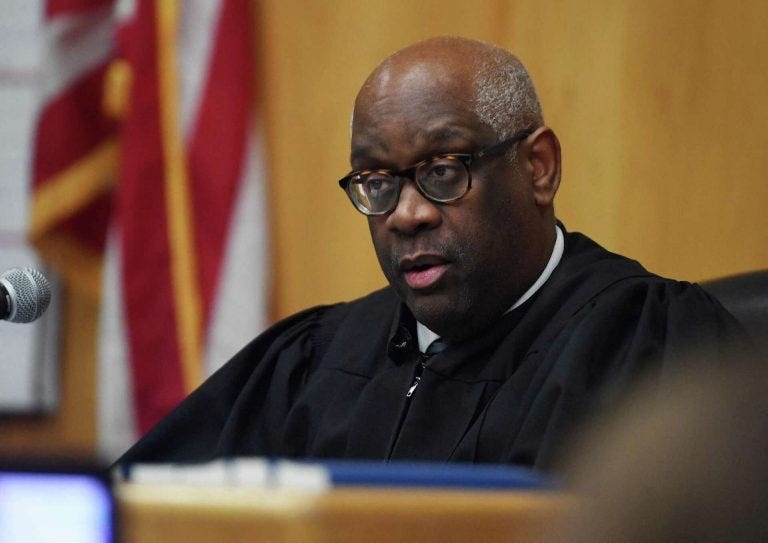
That line is not optional. It is not decorative. It is not something a Connecticut judge may bury inside a massive charge and then pretend the jury magically understood it.
Under the United States Supreme Court’s decision in Counterman v. Colorado, a true-threat prosecution requires more than a listener’s fear. The state must prove the defendant had at least reckless awareness that the communication would be understood as a serious threat of violence. That is a subjective constitutional safeguard. It matters because otherwise unpopular speech becomes criminal whenever a powerful listener says he felt afraid.
Under Brandenburg v. Ohio and Hess v. Indiana, advocacy of unlawful action is protected unless it is directed to producing imminent lawless action and likely to produce it. Under NAACP v. Claiborne Hardware, even inflammatory political rhetoric remains protected unless the speaker authorizes, directs, or ratifies specific violence.
These are not law school ornaments. These are the load-bearing beams of American speech law.
If Boyne’s blog posts were the alleged crime, the jury needed a clean, count-by-count First Amendment roadmap. Not a fog machine. Not a lecture. Not a judicial maze. A roadmap.
First Amendment Train Wreck: Connecticut Law Makes Brown’s Error Worse
Connecticut law does not define discretion as “whatever the judge feels like doing.” It defines discretion as legal discretion. That means discretion controlled by law, guided by fixed principles, and exercised to produce substantial justice.
That old rule runs through Connecticut’s Hammerberg v. Leinert line of cases. It traces back to the classic formulation in Bailey v. Taaffe: discretion is not arbitrary, capricious, or personal. It must be governed by law.

That matters here because Judge Brown had no lawful discretion to deny a new trial if the jury was not properly instructed on the First Amendment elements that separated criminal threats from protected speech.
A judge may dislike Boyne. A judge may find Boyne repulsive. A judge may believe Boyne’s writings were reckless, cruel, or dangerous. But a judge may not let a jury convict on a speech-based theory without giving the jury the constitutional test it must apply.
That is the Connecticut problem. The denial of a new trial was not merely harsh. It was an abuse of discretion if Brown allowed a conviction to stand after the jury was deprived of the controlling First Amendment filter.
The state cannot take a blog, call it a “course of conduct,” and thereby escape constitutional scrutiny. Speech does not stop being speech because prosecutors hate the speaker.
First Amendment Train Wreck: The Jury Needed The Real Test
The jury should have been told the following in unmistakable language.
First, public blog posts are speech.
Second, speech remains protected unless the state proves beyond a reasonable doubt that it falls into a narrow unprotected category.
Third, if the state claims the speech was a true threat, the jury must find that Boyne consciously disregarded a substantial risk that his words would be understood as a serious threat of violence.
Fourth, if the state claims the speech was incitement, the jury must find that the speech was directed to producing imminent lawless action and was likely to produce such imminent lawless action.
Fifth, if the speech was political advocacy, institutional criticism, rhetorical denunciation, or ugly public commentary about judges and family court, it remained protected unless it crossed those constitutional lines.
That is the core instruction. That is the trial and the whole case. That is the foundation of free speech, the marketplace of ideas, and Western Civilization.

Without that instruction, the prosecution becomes a vibe: The judges felt fear. The prosecutors called the speech stalking. The media called Boyne a conspiracy theorist. Brown agreed. The prison doors closed.
That is not how a free country handles speech cases, which begs the question of whether the State of Connecticut is still “free country.”
First Amendment Train Wreck: Brown’s Sentence Looks Like Institutional Revenge
Twenty years for a blog is not a sentence. It is a message.
It tells every family court critic, every judicial whistleblower, every pro se litigant, every reporter, and every angry parent that if they go too hard at the courthouse class, the system may decide they are not speakers but stalkers.



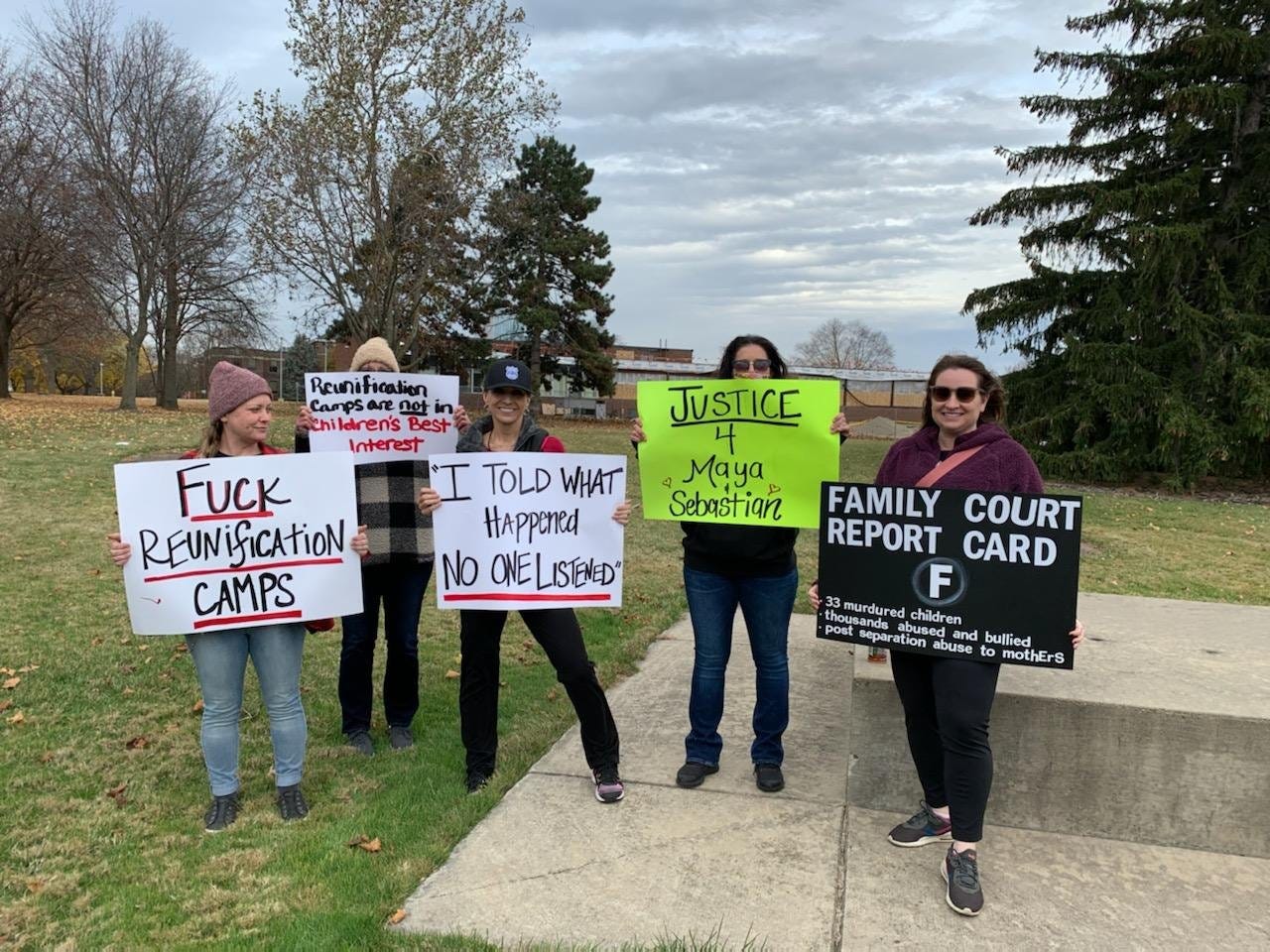
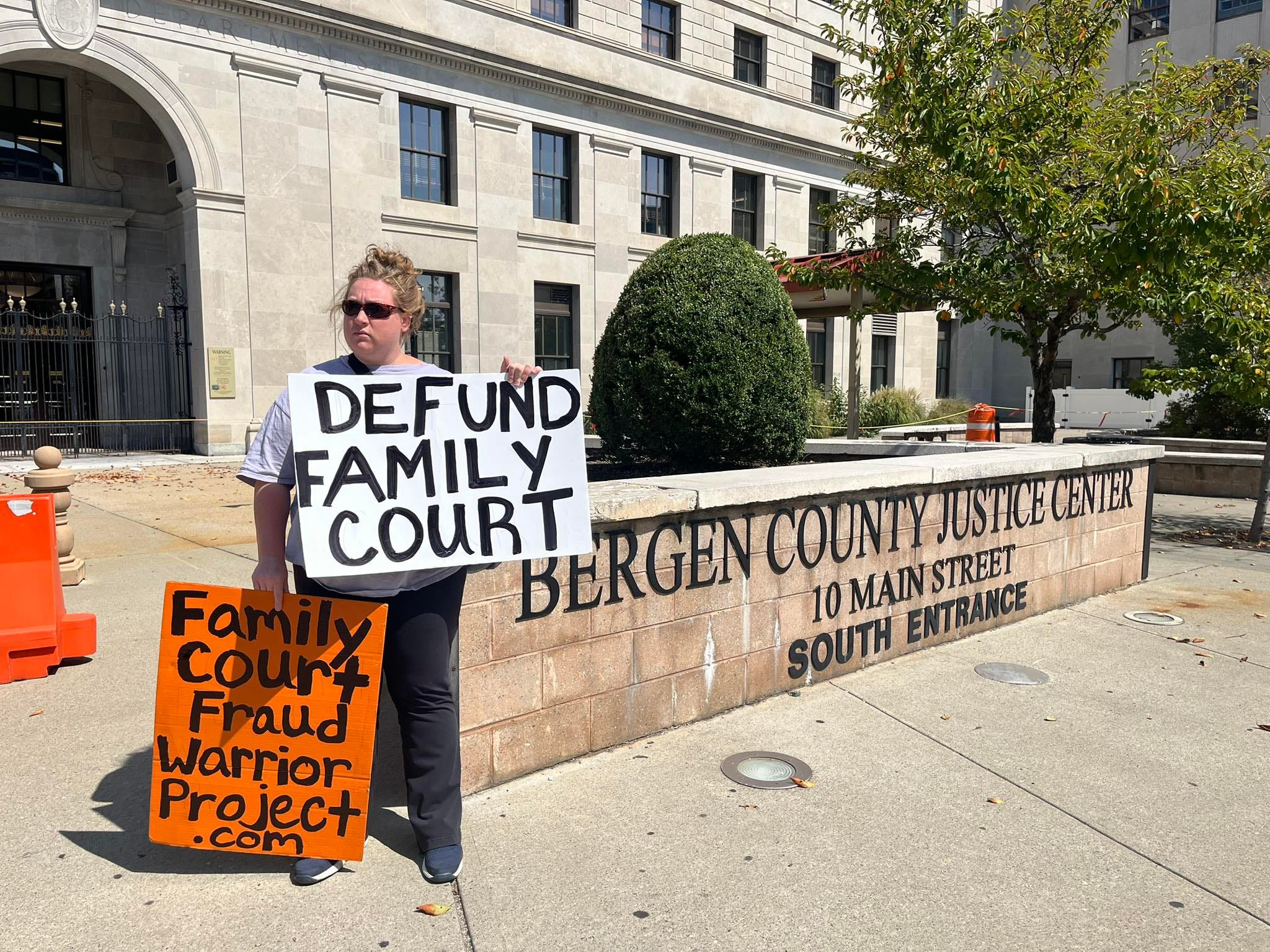

That is why this case matters beyond Boyne.
Family court is one of the least transparent, most emotionally explosive, most institutionally protected corners of American government. Judges make decisions that can destroy families, drain bank accounts, separate parents from children, and silence victims. When citizens lash out against that system, government’s first duty is not to protect judicial egos. It is to protect constitutional boundaries.
Nobody has a right to threaten a judge. Nobody has a right to publish a murder plan. Nobody has a right to direct imminent violence. But everyone has a right to condemn judges, expose family court corruption, publish criticism, shame officials, and demand accountability.
Brown’s courtroom blurred that line. Then Brown’s sentence buried it.
The law required a scalpel. Connecticut used a sledgehammer.
The Appellate Courts Must Clean This Up
The appellate issue writes itself.
This was a speech case. The state prosecuted online writings. The defense claimed First Amendment protection. The jury had to decide whether the speech was constitutionally unprotected. That required precise instructions under Counterman, Brandenburg, Hess, and Claiborne.
If those instructions were omitted, diluted, buried, or functionally replaced by generic stalking language, Boyne did not receive a fair trial. Connecticut’s own abuse-of-discretion doctrine then points to the same answer: denial of a new trial cannot stand when the court fails to apply fixed constitutional principles.
This does not mean Boyne wins a popularity contest. He does not need to. The First Amendment is not a popularity contest. It protects the hated speaker precisely because every government claims the speaker it wants to punish is uniquely dangerous.


That is the old trick.
Call political dissent harassment. Call publication stalking. Call rhetoric a threat. Call the dissenter unstable. Then call the prison sentence justice.



No.
Paul Boyne may be abrasive. He may be offensive. He may be reckless with his words. He may be exactly the sort of critic that judges, bureaucrats, and institutional gatekeepers cannot stand. None of that matters.
The First Amendment was never written to protect polite people saying popular things. It was written to protect dissidents. Agitators. Heretics. Cranks. Political outcasts. The citizen standing alone against the machinery of government. The Constitution does not exist to shield the comfortable from criticism; it exists to shield the critic from the comfortable.
That is why this case is bigger than Paul Boyne.
If Connecticut can send a man to prison for twenty years based upon speech without requiring a jury to apply the full constitutional safeguards of the Bill of Rights, then the issue is no longer cyberstalking. The issue is whether constitutional rights are real or merely decorative. The issue is whether courts remain guardians of liberty or become instruments of state power.
History is filled with governments that discovered an easy way to silence dissent. They rarely called it censorship. They called it “public safety,” “social harmony,” and now “judicial protection.” Then they redefined criticism as harassment, opposition as extremism, and dissent as danger. The labels changed. The result never did.
The American experiment was supposed to be different.
The Founders did not pledge their lives, fortunes, and sacred honor so that citizens could be marched toward a modern gulag for publishing words that wayward government officials dislike. They created a constitutional republic in which speech receives the benefit of the doubt, and government bears the burden. They established a system where liberty is presumed, and censorship must justify itself under the strictest standards known to law.
That is why Judge Peter Brown’s ruling carries consequences far beyond one defendant. If the jury was never given the proper First Amendment test, then this was not merely a trial error. It was a constitutional breakdown. It was the substitution of the preferences of the judicial elite for constitutional principle. It was the triumph of authority over liberty.
The appellate courts now face a choice that reaches beyond Paul Boyne’s fate. They can reaffirm that constitutional rights mean exactly what they say, even when the speaker is unpopular, and the speech is offensive. Or they can signal that courts may imprison critics first and ask constitutional questions later.

One path leads toward the Constitution. The other leads toward the darker terrain John Locke mapped in the right of revolution: when government becomes tyranny and breaks the bonds of the social contract, the people retain their God-given right to abolish unjust power. That is the line Connecticut is now walking—between constitutional liberty and the kind of government the American Revolution was born to destroy.
If the First Amendment still means what generations of Americans fought, bled, and died to preserve, Paul Boyne is entitled to a new trial. Not because his speech was agreeable. Not because his views were wise. But because constitutional rights do not belong only to favored speakers.
They belong to everyone—or they belong to no one at all.
