




LUTHMANN NOTE: This interview matters because it cuts through two layers of nonsense at once. The first is the consultant-class scam that every race is winnable if donors just keep writing checks. The second is the establishment demand that voters blindly trust election systems they cannot watch, audit, or understand. Keshel is not selling magic. He is looking at terrain. Some races are real. Some are dead. Some are decisive. The same is true of election rules. If America wants confidence in outcomes, then ballots, rolls, custody, and counting must be clean enough to survive public inspection. This piece is “Captain K’s Ballot Warning,” also available on FL Gulf News.

By Richard Luthmann and Michael Volpe
The Map Is Not The Consultant Class
Captain Seth Keshel came on The Unknown Podcast with Michael Volpe and Richard Luthmann to do something the political consultant class hates: separate real races from money pits. The usual Beltway racket is simple. Every district is “in play.” Every poll is “tightening.” Every donor must “dig deep.”
The result: Every consultant gets paid.

Keshel cuts through that carnival fog with numbers, registration trends, district boundaries, and a hard look at where the 2026 congressional battlefield actually sits. He is not saying Republicans are safe. The lazy midterm narrative — the president’s party loses seats, Democrats automatically take the House, everyone panics — does not fit a redrawn, heavily sorted congressional map.
That matters because 2026 is not just an election. It is a deployment of resources. Money, volunteers, lawyers, observers, ballot-chasing operations, digital messaging, and grassroots energy are not unlimited.
Keshel’s point is that serious political actors have to know the difference between contestable seats and dead races. A district that is structurally gone is not a battlefield. It is a fundraiser’s fiction. A district sitting inside the real zone of movement is where a majority can be won or lost.
That is why his analysis is more valuable than another consultant memo written to scare old ladies into giving $25 online. He is asking the question that wins wars: Where does the fight actually matter?
Captain K’s Ballot Warning: Mail-In Ballots Changed The Battlefield
The center of the conversation was mail-in voting, because the center of modern election suspicion is mail-in voting. Volpe pressed Keshel on the official safeguards: signatures, verification, California’s extended count, and the idea that convenience and security can live together.
Keshel did not dodge. He argued that the weakness is not merely whether one envelope has one scribbled signature. The weakness is the system: universal mailing, permanent ballot lists, bad voter rolls, third-party ballot collection, drop boxes, cure windows, late-arriving ballots, and opaque verification rules that voters cannot see with their own eyes.
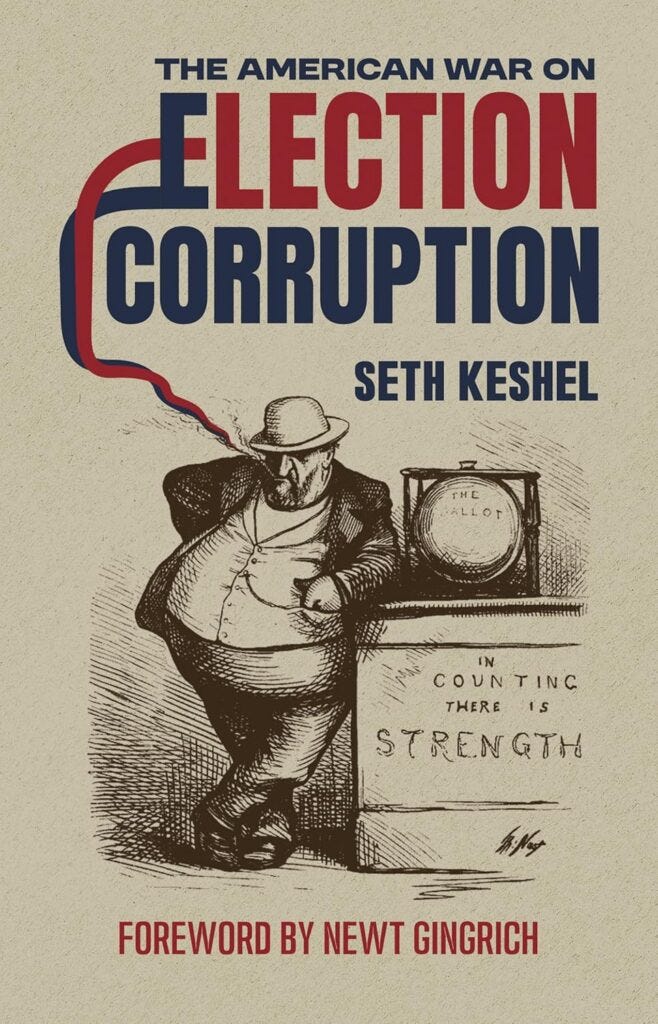
That is where the public trust problem explodes. It is one thing to say, “Trust us, we checked the signatures.” It is another thing to show a transparent, observable, tightly controlled process that ordinary voters believe.
Elections are not private rituals conducted by experts for the rest of us to accept on faith. They are the sovereign act of the people. If the process looks like a mystery box, the result will look like a product.
Keshel’s military analogy was sharp because chain of custody is not some conspiracy phrase. In any serious system — evidence, medicine, finance, military testing — custody matters. Yet in American elections, ballots can move through systems the public barely understands while officials scold voters for noticing the smoke.
That is not sustainable.
If the ballot is sacred, then the handling of the ballot must be treated like sacred evidence, not bulk mail with political consequences.
Captain K’s Ballot Warning: Election Integrity Must Also Look Like Integrity
Luthmann’s concern in the interview was simple: Election integrity must serve the appearance of election integrity. That phrase is not cosmetic. It is constitutional common sense. A system can be technically lawful and still look rotten to half the country. When that happens, the legal answer is not enough. The civic answer is missing.
Americans are regularly being told that slow counts, late-arriving ballots, ballot curing, mass mail programs, signature matching, and ballot collection are all normal. Maybe some of it is lawful. Maybe some of it is defensible. But the public is not wrong to ask why the most powerful country in the world cannot produce clean, fast, transparent election results that people across party lines can understand.
That is why examples like Spencer Pratt’s California race matter. That is why Palm Beach County in 2000 still matters. Democrats once understood that election mechanics could create a legitimacy crisis. The butterfly ballot was not ignored because “the system worked.” It became a national scandal because thousands of voters appeared to have cast ballots in a way that defied political reality.
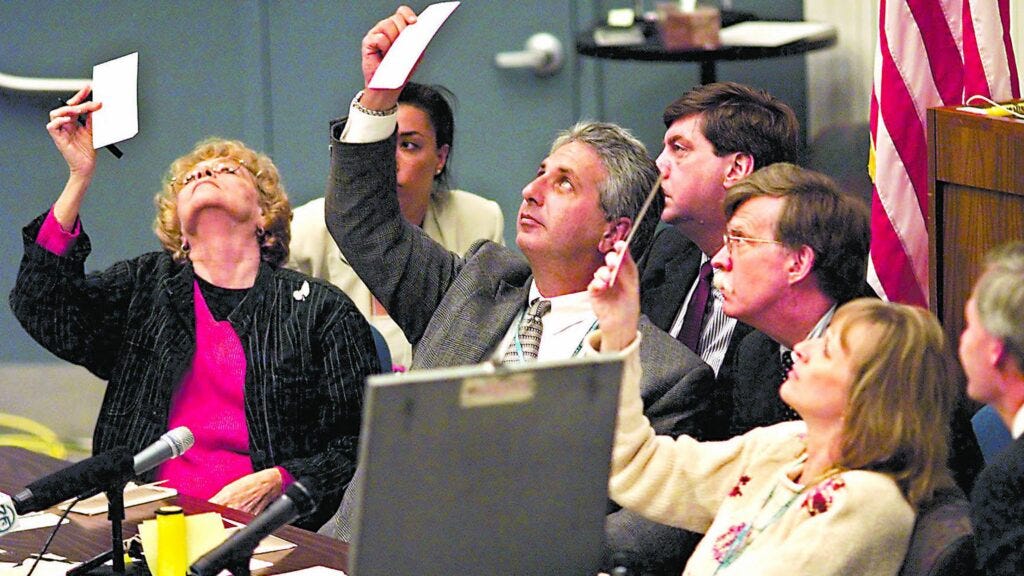
If election integrity mattered when Jewish retirees in Palm Beach somehow registered votes for Pat Buchanan, then election integrity also matters when modern mail-in systems produce outcomes that millions of voters find illogical, delayed, or suspicious. The standard cannot change depending on which side is screaming.
A republic cannot survive on partisan trust. It needs visible rules, clean rolls, tight custody, fast counting, and a process the loser can accept without feeling like a sucker.
Captain K’s Ballot Warning: 2026 Is A Test Of The Whole Machine
Keshel’s 2026 warning is not merely that Republicans can hold the House. His deeper warning is that America is now fighting elections on two battlefields at once. One is the visible battlefield: candidates, districts, turnout, money, messaging, polls, and maps.
The other is the invisible battlefield: ballot laws, voter rolls, mail systems, harvesting rules, counting procedures, litigation windows, and administrative discretion.
Conservatives who obsess over speeches while ignoring mechanics are bringing a sermon to a knife fight. Democrats figured out long ago that rules shape outcomes. Republicans are late to the battlefield, but no longer blind.
The 2026 congressional elections will test whether the GOP has learned anything.

It is not enough to complain after Election Day or yell “fraud” when the math gets ugly. The work has to happen now: identify the real races, harden the process, clean the rolls, recruit observers, challenge bad procedures, chase lawful ballots where the rules allow it, and force every election office to operate under sunlight.
Keshel’s value is that he treats elections like terrain. Some hills cannot be taken. Some must be defended. Some are decisive. That is the mindset serious people need.
The 2026 fight will not be won by vibes, polls, or consultant panic. It will be won by mechanics, discipline, and public confidence in a system that must finally prove it deserves trust.


