


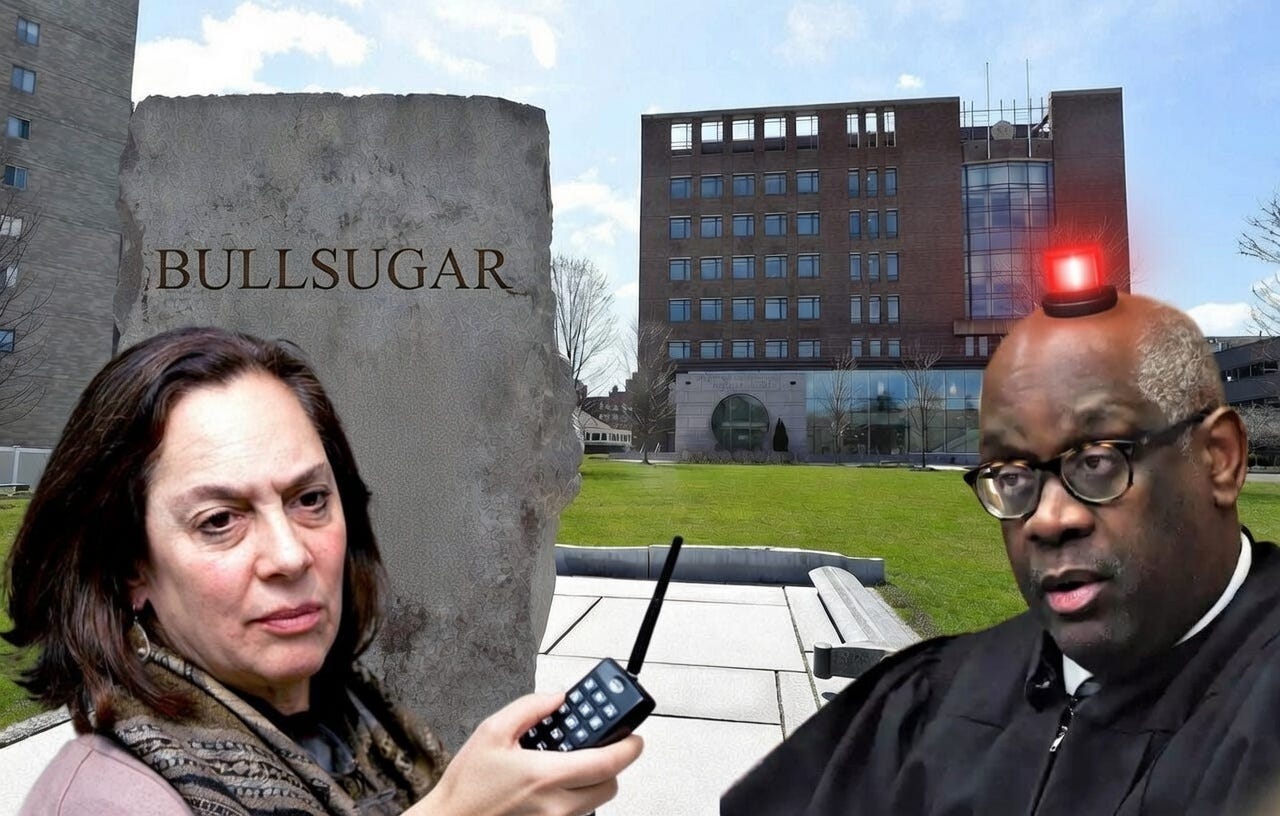
LUTHMANN NOTE: This New Haven, Connecticut, show trial is a full-blown trainwreck, and it starts with the Virginia State Police raid that poisoned everything that followed. You don’t get to bring a Connecticut trooper with no Virginia authority, add a civilian girlfriend into the kitchen, hand over evidence without inventory, then let it sit unlogged for weeks while everyone goes on vacation. That obliterates chain of custody. Period. From there, Judge Brown’s bail revocation isn’t subtle or defensible. It’s transparent punishment. It’s retaliation for speech. It reeks of judicial pique and old grudges, with Joette Katz and her cabal looming over the whole mess. This isn’t justice. It’s score-settling dressed up as law. This piece is “Brown Boyne Bail Bullsugar” first published on the world-famous blog - TheFamilyCourtCircus.com.


By Richard Luthmann with Michael Volpe
Secret Hearing, Bail Skyrockets to $1.5M
(NEW HAVEN, CONNECTICUT) – A Connecticut judge just yanked blogger Paul Boyne off the street and back into a jail cell – all because Boyne shared a public court document. In a sudden, closed-door session on Feb. 2, Judge Peter L. Brown hiked Boyne’s bond from $7,000 to a staggering $1.5 million, ensuring the outspoken blogger was thrown back behind bars.
The reason?
Boyne had emailed fellow journalists and the Virginia State Police a witness list that prosecutors themselves read aloud in open court. Judge Brown openly admitted he spiked the bail to punish Boyne for this disclosure – effectively criminalizing the man’s exercise of free speech.
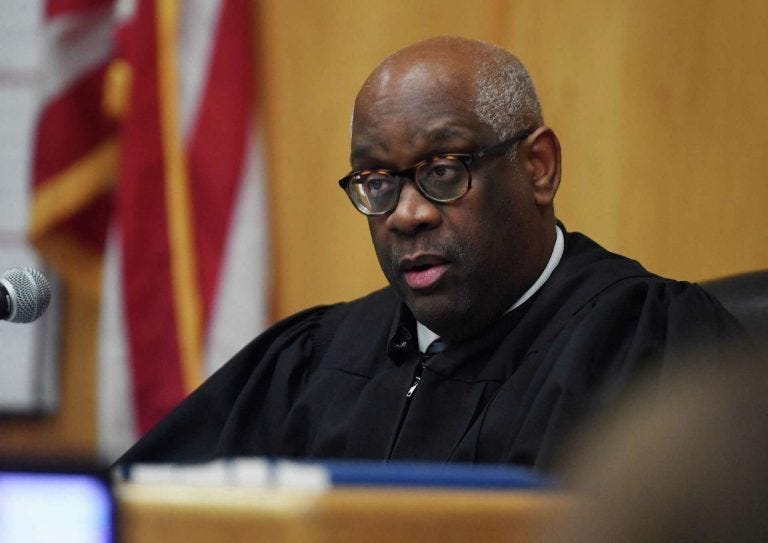
“This wasn’t a bail decision. It was a warning shot,” one court observer gasped as marshals hauled Boyne out in handcuffs. “Connecticut did not detain a defendant – it jailed a viewpoint.”
Indeed, Judge Brown’s own words left even attorneys aghast. By justifying the bond boost as payback for Boyne’s brazen email, the judge confirmed its blatantly punitive intent – a move that flouts the Constitution’s safeguard against excessive bail.
Boyne had been free on bond for over a year without incident – never missing a court date and even refusing a lenient plea deal on principle. Yet now, with trial two weeks away and a jury already picked, he sits in a cell in a yellow, high-risk inmate jumpsuit.
Judge Brown casually remarked that he’d lower the bond back down at a Feb. 17 review – essentially admitting this two-week jailing was pure punishment for Boyne’s “conduct.”
Brown Boyne Bail Bullsugar: Free Speech Crackdown Triggers Constitutional Storm
Boyne’s case is, at its core, about speech – and the authorities’ response has First Amendment advocates aghast. His underlying “crime” is writing scathing blog posts about judges and sharing a true, public document from his case. There was no gag order on the witness list he emailed; the state had already read it aloud to jurors. His only “offense” was exposing judicial insiders – and for that, Connecticut effectively turned him into a felon.
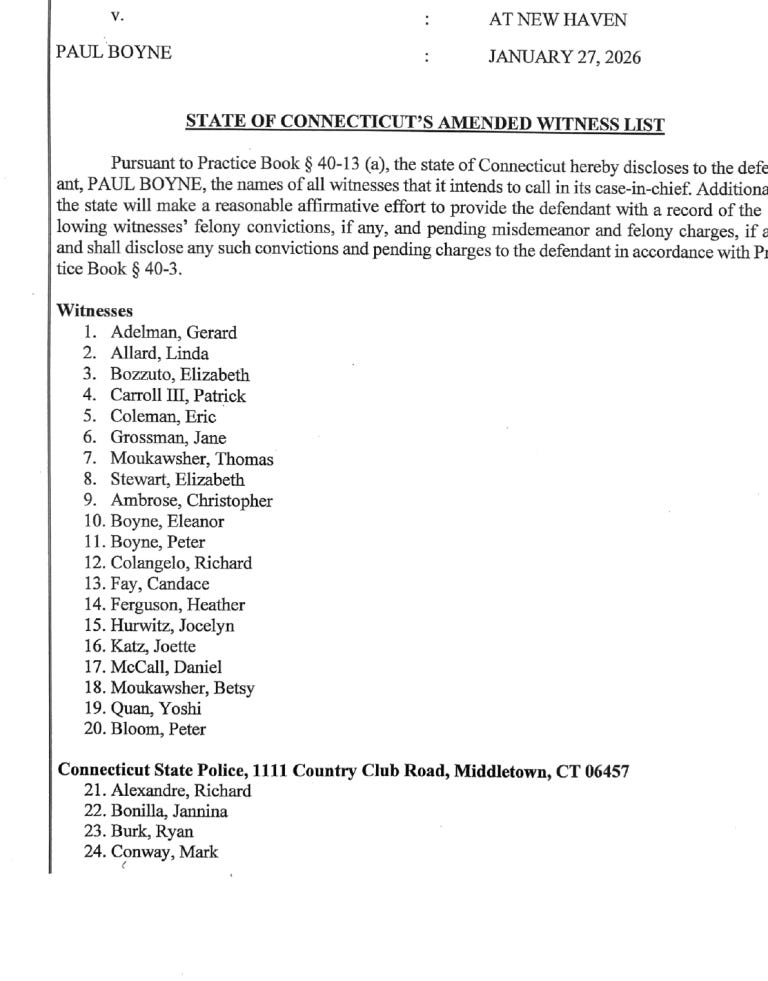
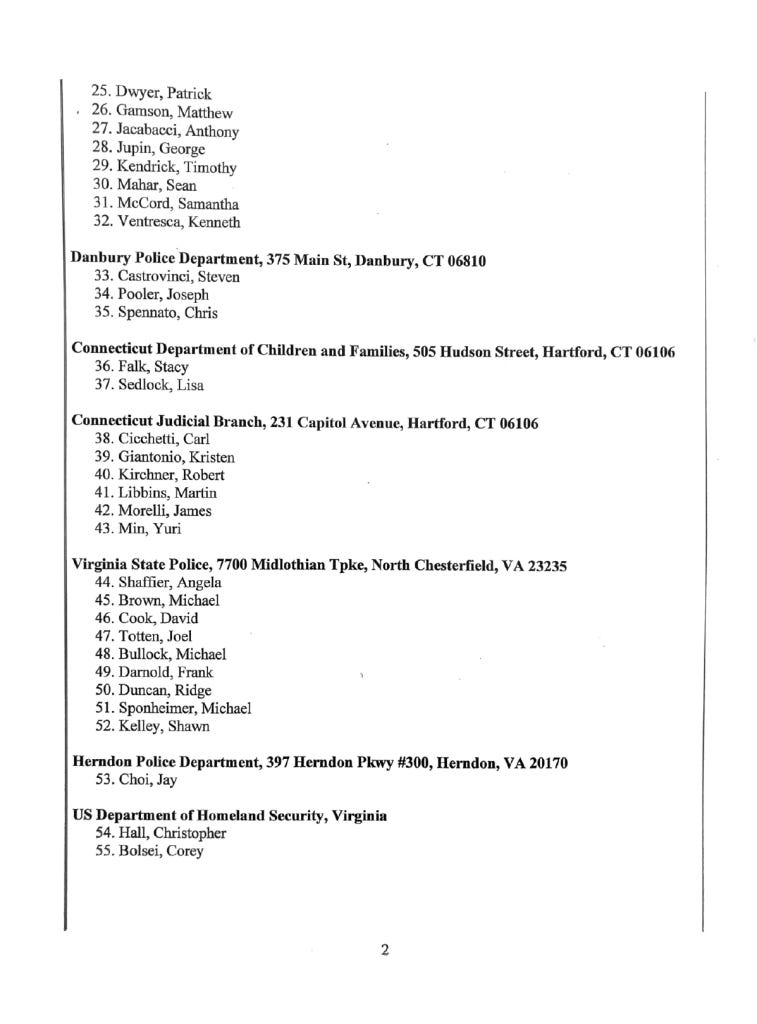
“There’s something they haven’t discovered yet in Connecticut, and that’s called the First Amendment,” journalist Richard Luthmann quipped. Critics are calling this “lawfare,” accusing officials of weaponizing the courts to silence a critic.
Judge Brown’s bail stunt defies constitutional limits.
The Eighth Amendment forbids using bail as an “instrument of oppression.” In Stack v. Boyle (1951), the U.S. Supreme Court said bail must be tailored only to ensure a defendant’s appearance. Connecticut’s top court likewise holds that bail is solely to secure appearance, not to punish or browbeat the accused.
Yet Brown’s $1.5 million bond clearly wasn’t about ensuring court attendance – it was about silencing Boyne.
Worse, the Feb. 2 bond hearing was held behind closed doors – likely violating the public’s right to open court. Such secrecy reeks of due process abuse, undermining confidence in any fair outcome.
“The state’s heavy-handed response suggests hurt egos, not genuine harm,” journalist Michael Volpe observed dryly. Free speech watchdogs see a dire precedent: if a blogger can be jailed and gagged for publishing true, public information about his accusers, then no journalist is safe.
Emergency Appeal: Bail Trap and Gag Orders
Boyne’s legal team is fighting back hard. They’ve lodged an emergency appeal, seeking immediate relief from what they call Brown’s unlawful detention order. Boyne’s appointed counsel, Todd Bussert, filed a solid application with both Judge Brown and the Connecticut Appellate Court.

According to Boyne, Judge Brown’s reply in the trial court was unyielding. When pressed to restore reasonable bail, he essentially snarled, “Let the appellate court deal with it.”
Now Connecticut’s appellate judges are being urged to rein him in. The appeal argues Brown’s eleventh-hour jailing of Boyne blatantly flouts state law and constitutional limits – turning bail into punishment and trampling due process.
The appeal also warns that Brown’s actions have gutted Boyne’s ability to mount a defense. Hauling him off to jail two weeks before trial – after seating the jury – has sabotaged Boyne’s defense. From behind bars, he cannot review evidence or consult freely with counsel.
Brown compounded the damage by imposing extraordinary conditions that make participating in his own case nearly impossible. He forbade Boyne from accessing any case documents while in custody – meaning the blogger cannot even keep his own legal papers in his cell. This virtually unheard-of edict gut-punches Boyne’s Sixth Amendment right to assist in his defense.
Brown also slapped a gag order forbidding Boyne from contacting any witness, even his elderly parents (whom prosecutors absurdly listed as witnesses). Boyne has denounced these measures as cruel and unconstitutional, and legal observers agree they’re extreme overkill for a speech-based case.
His lawyers highlight these draconian tactics to drive home one question: with Boyne gagged, isolated, and hamstrung by the court, how can a fair trial even happen?
Brown Boyne Bail Bullsugar: Law Enforcement Tourism Revealed
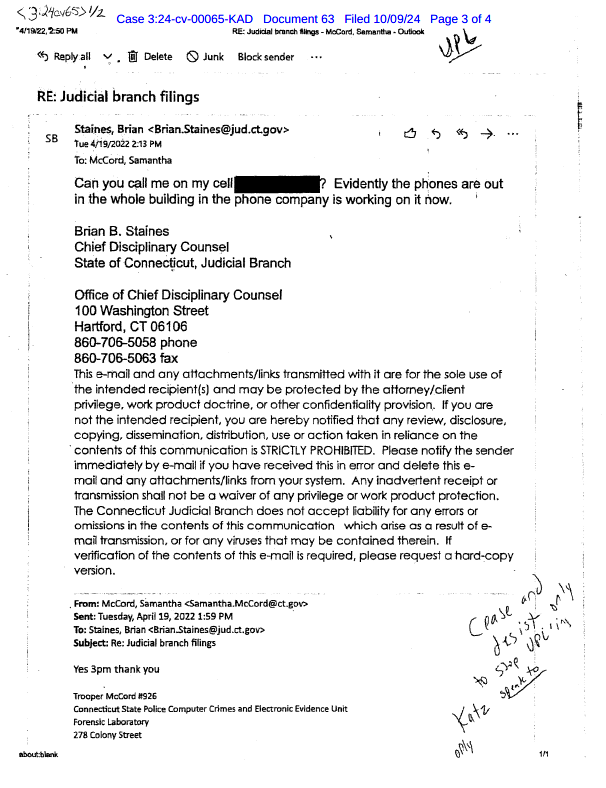
One of the most explosive unanswered questions in the Boyne case centers on now-retired Connecticut State Trooper Sammy McCord and the mysterious civilian who accompanied her during the Virginia raid on Boyne’s home. According to Boyne, a second person was present inside his kitchen wearing what appeared to be Connecticut State Police attire, later identified as McCord’s girlfriend, not a sworn officer.

Under Virginia law, McCord herself had no law-enforcement authority and was effectively a civilian “tourist,” relying entirely on the Virginia State Police, who conducted the search and handed the seized evidence to her. What followed shatters basic chain-of-custody rules.
McCord and her girlfriend allegedly went “on vacation,” while Boyne’s property remained unlogged and unaccounted for. Connecticut authorities did not inventory the evidence until weeks later, raising unavoidable questions: where was it, who handled it, and why was a civilian present during a law-enforcement raid at all?
In any ordinary prosecution, this would spark suppression motions and internal probes. Here, it has been met with silence.
But fear not. When the courts turn a blind eye, the Fourth Estate asks the tough questions of law enforcement, including the VSP. We asked Tom Lambert (counsel) and Robin Lawson (media officer) for comment. They have not responded as of press time. Here is what we asked:
From: Richard Luthmann <richard.luthmann@protonmail.com>
Date: On Tuesday, February 10th, 2026 at 7:07 AM
Subject: What Happened During the VSP Raid on Paul Boyne?
To: Tom.Lambert@vsp.virginia.gov <Tom.Lambert@vsp.virginia.gov>, robin.lawson@vsp.virginia.gov <robin.lawson@vsp.virginia.gov>
CC: john.doyle@ct.gov <john.doyle@ct.gov>, Todd.Bussert@pds.ct.gov <Todd.Bussert@pds.ct.gov>, Kelly.Billings@pds.ct.gov <Kelly.Billings@pds.ct.gov>, gregory.borrelli@ct.gov <gregory.borrelli@ct.gov>, peter.brown@jud.ct.gov <peter.brown@jud.ct.gov>, tracy.dayton@jud.ct.gov <tracy.dayton@jud.ct.gov>, officeof.chiefcourtadministrator@jud.ct.gov <officeof.chiefcourtadministrator@jud.ct.gov>, External Affairs <External.Affairs@jud.ct.gov>, Michael Volpe <mvolpe998@gmail.com>, Rick LaRivière <RickLaRiviere@proton.me>, Dick LaFontaine <RALafontaine@protonmail.com>, Frankie Pressman <frankiepressman@protonmail.com>, Frank Parlato <frankparlato@gmail.com>, breakingnews@courant.com <breakingnews@courant.com>, ckeating@courant.com <ckeating@courant.com>, emahony@courant.com <emahony@courant.com>, hbennett@courant.com <hbennett@courant.com>, klove@courant.com <klove@courant.com>, newstips@courant.com <newstips@courant.com>, Marc@insideinvestigator.org <Marc@insideinvestigator.org>, conner@insideinvestigator.org <conner@insideinvestigator.org>, insideinvestigator@protonmail.com <insideinvestigator@protonmail.com>, juliea005 <juliea005@proton.me>, Michael Phillips <mikethunderphillips@gmail.com>Dear Mr. Lambert and Ms. Lawson,
We are a group of investigative journalists reporting on the Connecticut prosecution of family court journalist and blogger Paul Boyne and events surrounding the Virginia State Police raid on his residence.
We are seeking clarification from the Virginia State Police on several unresolved factual issues that raise serious questions about law-enforcement procedures and the chain of custody.
Specifically:
1. Was Connecticut State Trooper Sammy McCord physically present during the VSP raid on Mr. Boyne’s residence in Virginia?
2. Was a civilian companion, identified to us as Trooper McCord’s girlfriend, present inside the residence during the execution of the raid, and if so, in what capacity?
3. Were VSP officers aware that materials seized during the raid were handed directly to Trooper McCord without first being inventoried by VSP, and then transferred without a court order to authorities of another sovereign (on a veritable “silver platter”)?
4. Is it accurate that following receipt of the seized materials, Trooper McCord and her civilian companion went on vacation, and that the materials were not inventoried with Connecticut authorities for several weeks?
5. If so, how does VSP reconcile that delay with standard chain-of-custody protocols, particularly given the presence of a civilian and the interstate transfer of evidence?
6. Did the Virginia State Police ever hold a meeting or consultation with Connecticut authorities to address chain-of-custody concerns arising from these events? If yes, when and with whom?
These questions concern the integrity of evidence handling in a high-profile criminal case and the public’s confidence in interagency law enforcement cooperation. As we intend to go to press shortly, please respond as soon as possible. If we receive your responses after press time, we will incorporate them into a follow-up.
Thank you for your attention to this matter!
Regards,
Richard Luthmann
Writer, Journalist, and Commentator
Tips or Story Ideas:
(239) 631-5957
richard.luthmann@protonmail.com
LINKTREE
Muck Rack Profile
Substack: This is For Real.
Editor-In-Chief: FLGulf.news
Editor-In-Chief: NYNewsPress.com
Editor-In-Chief: TheFamilyCourtCircus.com
Contributor: Frank Report
Contributor: Sun Bay Paper
Follow Me on Facebook X Instagram LinkedIn TRUTH Rumble Newsbreak
Brown Boyne Bail Bullsugar: Bias, Vendetta, and Unconstitutional Charges
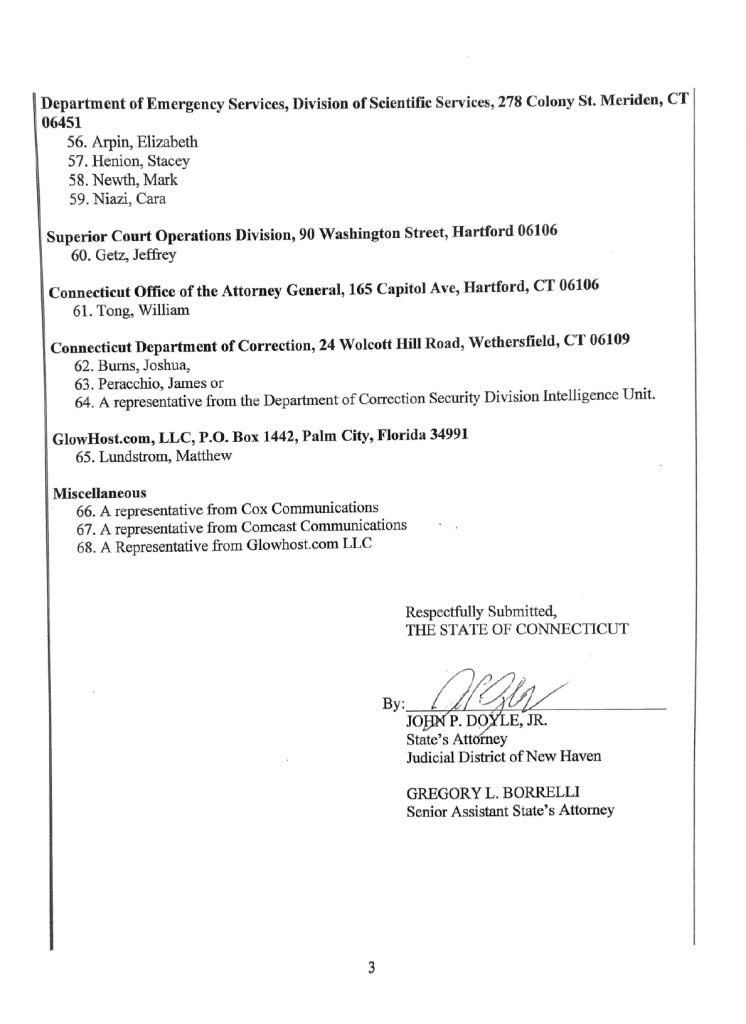
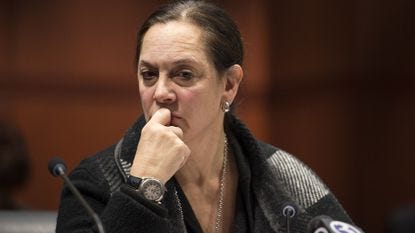
Boyne insists the case is poisoned by bias. His team argues it’s essentially a personal vendetta by Connecticut’s judicial elite. Exhibit A: the witness list. It includes Joette Katz, a former state Supreme Court justice Boyne often lambasted on his blog.
Prosecutors claimed Katz had “no direct role” – yet she’s named as a witness. In court, prosecutor Jack Doyle even admitted that “a judge personally phoned him” about going after Boyne. To Boyne’s camp, that is a smoking gun – a retired judge pulling strings to muzzle a critic. Now her fingerprints are all over this prosecution.
The witness list is packed with judicial bigwigs Boyne has criticized, suggesting the bench is essentially the “victim” in the case it is now judging. How can Boyne expect a fair trial when the very judges he exposed appear to be pulling the strings?
The defense also argues the charges are blatantly unconstitutional. They cite a new appeals court ruling, U.S. v. Al-Timimi, which flatly declares that the First Amendment forbids jailing someone for their speech. All of Boyne’s alleged offenses are pure speech – fiery blog posts and emails – so criminalizing them, his lawyers argue, guts free-speech rights. By invoking Al-Timimi and similar cases, Boyne’s team essentially puts Connecticut’s justice system on trial – accusing it of twisting a stalking statute to punish dissent.
If a higher court agrees, the whole vendetta – from gag orders to the 18 felony counts – could crumble, vindicating the First Amendment.
Brown Boyne Bail Bullsugar: Fair Trial in Doubt, Public Outrage Boils Over
With trial set to begin in two weeks, serious doubts loom over whether Boyne can get a fair shake. Boyne himself has zero faith in Connecticut’s judges to change course. From jail, he scoffed that the appellate court “hates me just as much as … the judge club hates the blog,” predicting no relief will come.
To many observers, Boyne now looks like a political prisoner – punished for speaking out against the powerful.
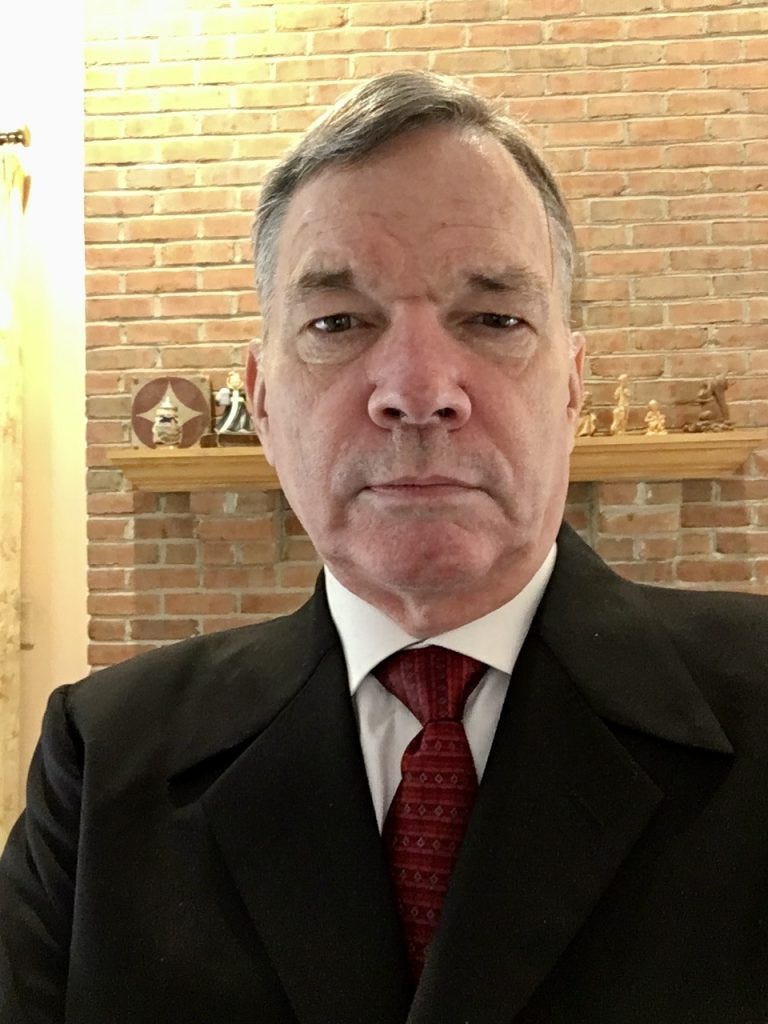
Meanwhile, support for Boyne is swelling beyond the courtroom. A growing chorus – from national press groups to free-speech advocates and everyday citizens – is calling his ordeal a canary-in-the-coal-mine warning. They warn that if Connecticut’s “judicial cabal” can jail a journalist for lawful speech, it will embolden similar crackdowns across the country.
First Amendment watchdogs are sounding the alarm, and Boyne’s plight is drawing national attention. Pressure is mounting on the state’s higher courts to step in. As Michael Volpe put it, “Will Connecticut double down on this vendetta, or will sanity prevail?”
The First Amendment and the rule of law hang in the balance.
All eyes are now on Connecticut’s judiciary in Hartford and New Haven. The coming days will reveal whether the Constitution still reigns supreme – or if a man can indeed be railroaded into silence for daring to speak out against the system. Connecticut’s next moves will decide if fundamental principles triumph, or if Paul Boyne remains behind bars as a casualty of vengeful justice. The stakes could not be higher.


