


LUTHMANN COMMENT: This isn’t a prosecution. It’s a warning shot. Connecticut took ugly speech, stripped it of context, and slapped felony cuffs on it because the speaker wouldn’t shut up. They raided across state lines, laundered stolen evidence, ignored Supreme Court precedent, and kept a 67-year-old man in a cage for words. Words. When judges feel offended, prosecutors feel empowered, and defense counsel goes limp, the Constitution becomes a prop. Paul Boyne isn’t dangerous. This case is. If this stands, dissent becomes stalking, satire becomes a crime, and free speech survives only by permission. This piece was first available on TheFamilyCourtCircus.com.


By Dick LaFontaine with Richard Luthmann
(NEW HAVEN, CT) - The wigs are felt. The gavels squeak. And justice is performed by puppets—because, frankly, it fits.
THE MUPPETS TAKE CONNECTICUT is a dark political satire where a real-life First Amendment prosecution gets the only treatment that makes sense: full Muppet theater.
Prosecutors preen, judges pontificate, defense counsel shrugs, and constitutional rights are chased offstage by a chorus of rubber chickens.


Jack Doyle plays himself—as a loud, blustering Muppet who prosecutes blog posts like felonies.


Joette Katz appears as the omniscient puppet-master, hovering above the set and pulling strings.
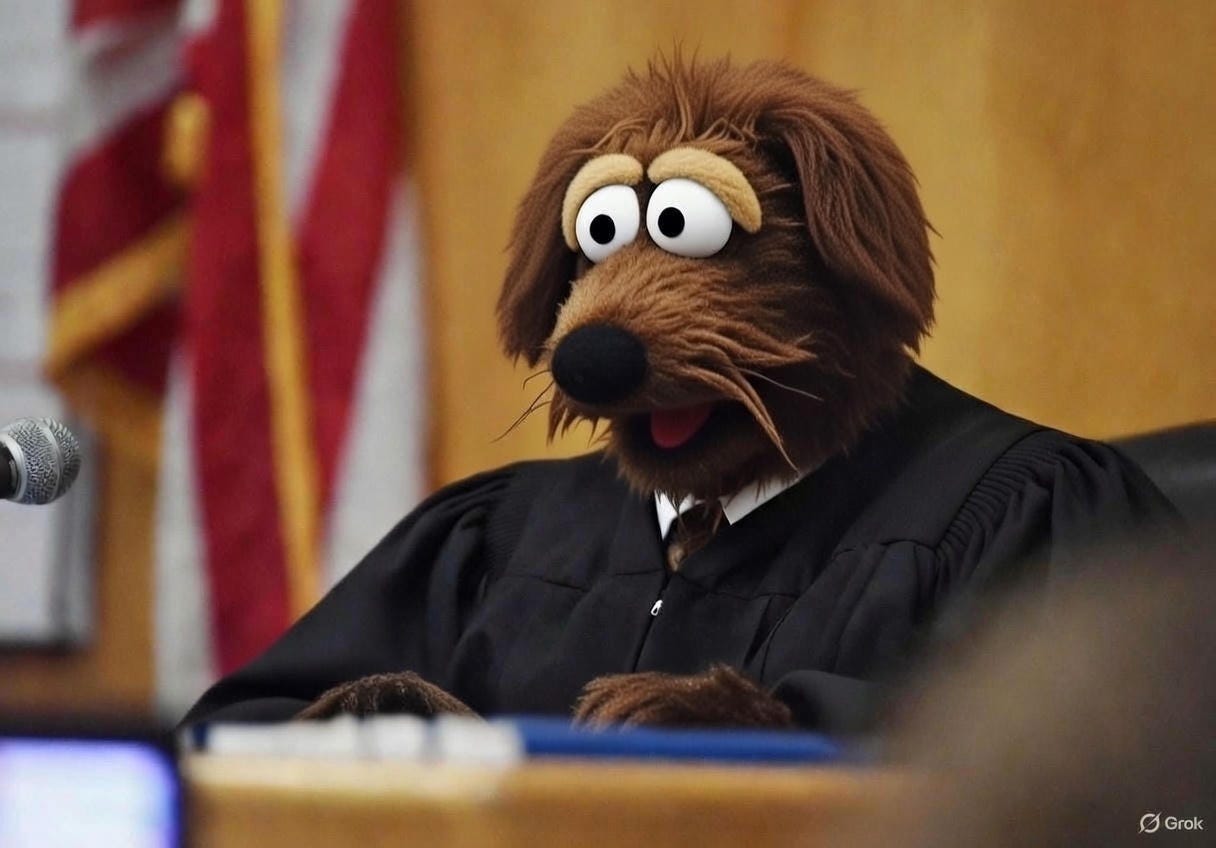
Judge Peter Brown presides from the bench as a stern, felt tyrant with a fetish for GPS ankle monitors.
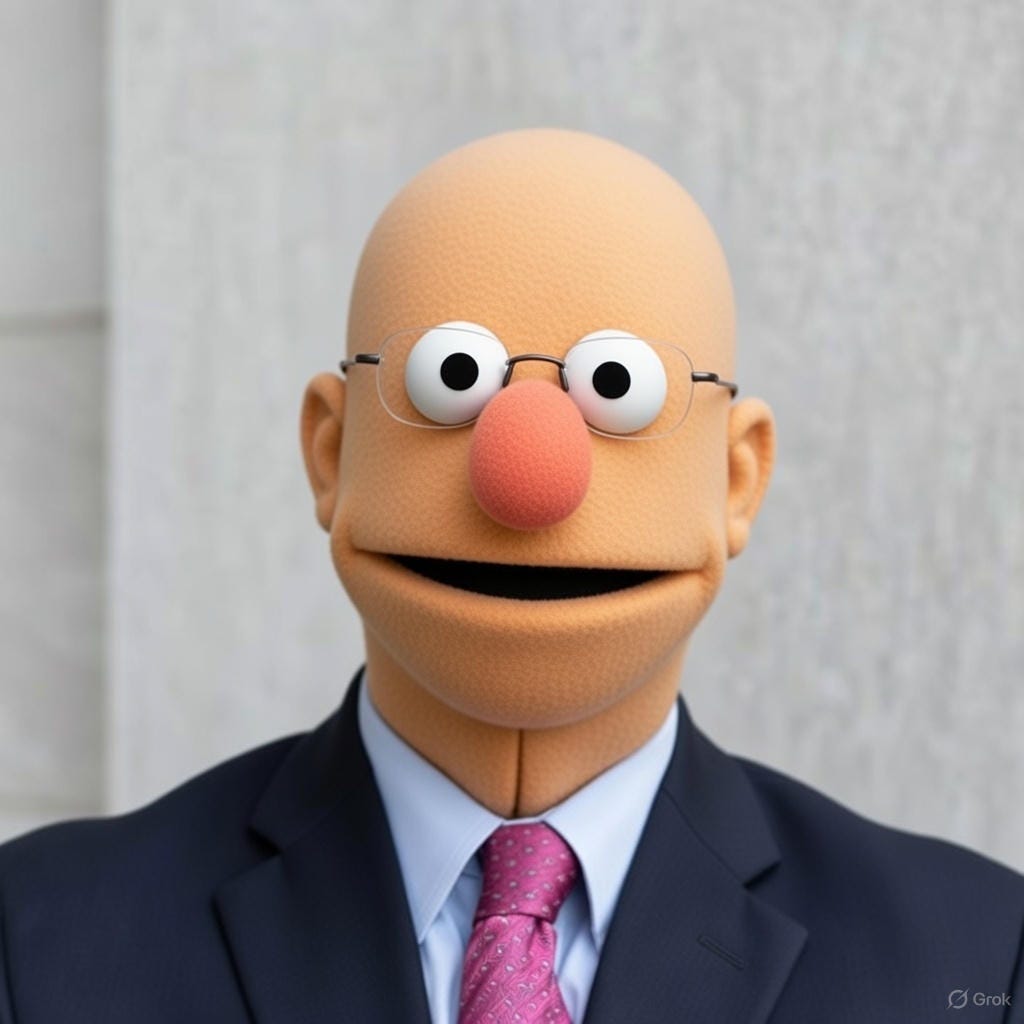
Todd Bussert shows up as the well-meaning Muppet who keeps saying, “Let’s not rock the boat.”
It’s absurd. It’s uncomfortable. It’s hilarious because it’s true. Because when the law becomes a farce, satire is the only honest verdict.
The Paul Boyne Case: A Constitutional Breakdown in Plain Sight
The prosecution of Paul Boyne, a 70-year-old Virginia journalist and former editor of The Family Court Circus, has become a disturbing case study in how criminal law can be warped to punish speech. At its core, the case asks a dangerous question: Can a state imprison a citizen for offensive political commentary alone?
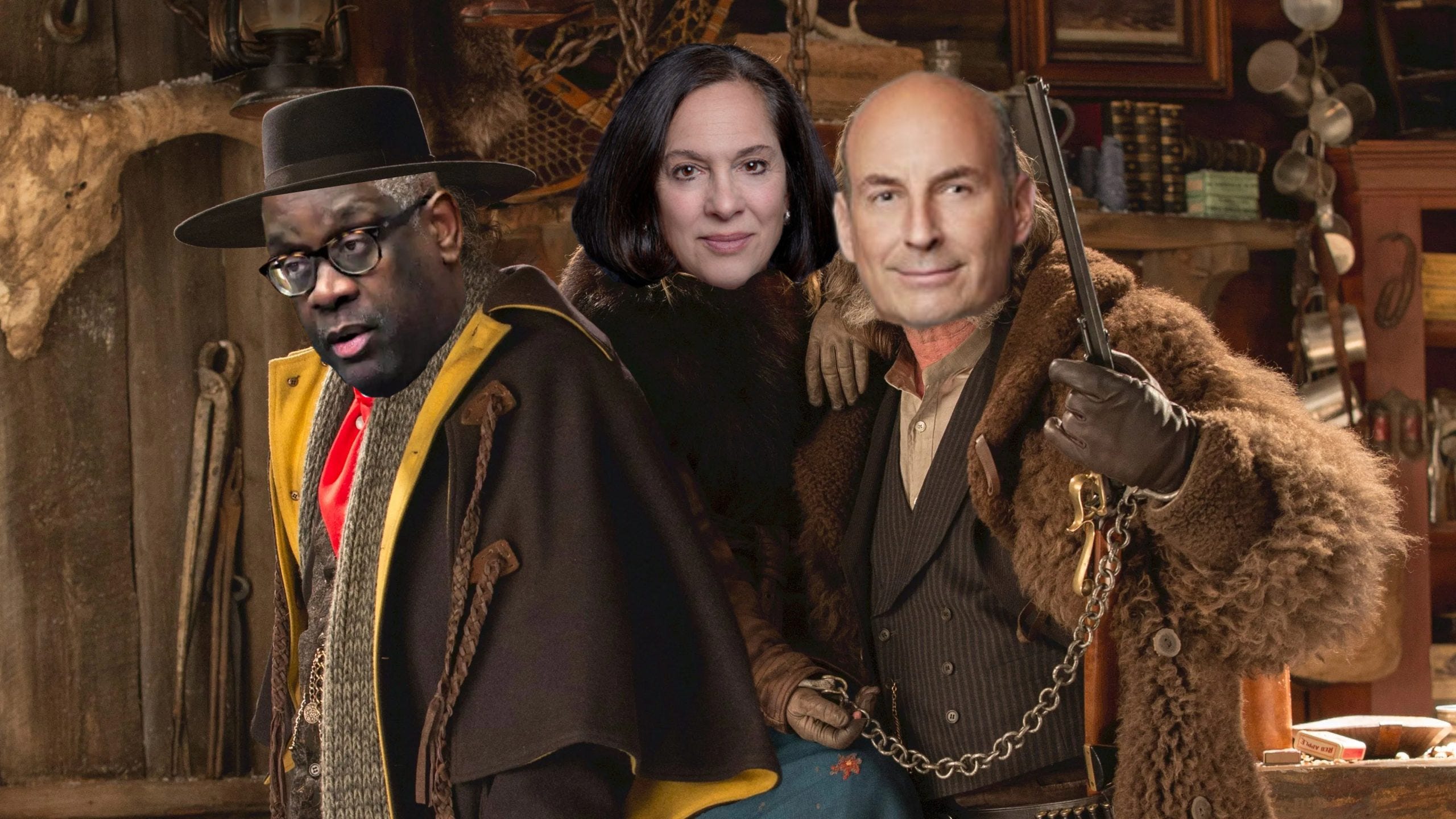
Boyne is charged in Connecticut with 18 felony counts of first-degree electronic stalking, based solely on eight blog posts—known as the “Hateful Eight”—that harshly criticized family court judges. The posts were vulgar, provocative, and at times grotesque. They were also pure speech, published to the public, with no direct contact, no targeting, no following, and no acts of violence.
“No one was harmed in the making of the posts, and no one will be harmed in the making of the movie,” Boyne said, expecting to receive an executive producer credit.

Yet Boyne was arrested, jailed for 17 months pretrial, and subjected to extraordinary restraints. The prosecution has never identified which specific words constitute criminal conduct. Instead, the indictment simply cites the existence of the posts themselves. This alone raises a serious Sixth Amendment problem: a defendant has the right to know the nature and cause of the accusation. Boyne still does not.
The First Amendment implications are even more severe. Courts in Illinois and Washington, D.C. have already struck down nearly identical stalking statutes when applied to speech alone, holding that criminalizing distressing or offensive commentary sweeps protected expression into felony territory. Under settled precedent, only “true threats”—statements meant and understood as serious expressions of intent to commit violence—lose constitutional protection. Boyne’s writings, while reprehensible to many, were not directed at specific individuals and mirror language courts have repeatedly found protected.
Rather than address these precedents, Connecticut has pressed forward.
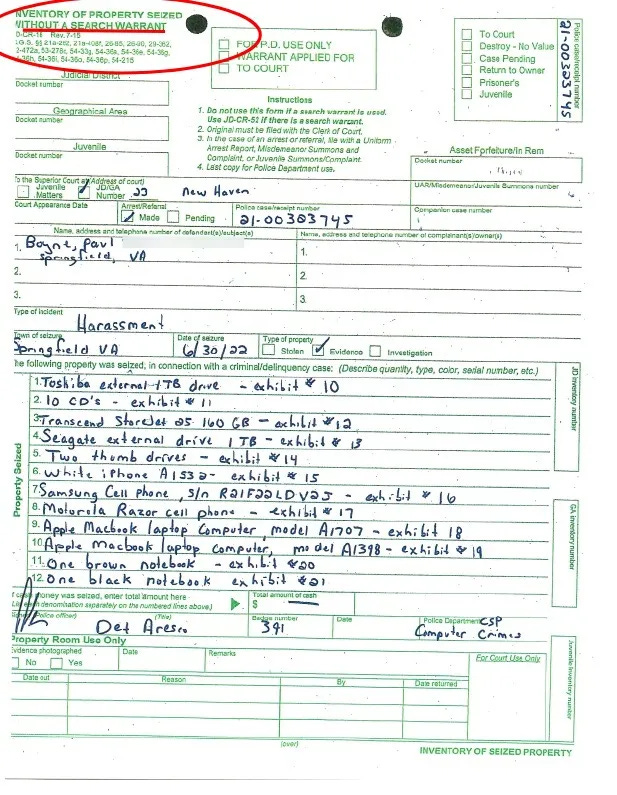
The Fourth Amendment violations are equally troubling. In June 2022, Connecticut authorities orchestrated a pre-dawn SWAT raid in Virginia, seizing Boyne’s computers and papers. The property was immediately removed from Virginia and transported to Connecticut—without a valid Virginia court order authorizing interstate removal. Virginia law explicitly forbids this. A Virginia prosecutor later admitted the removal violated state law.
Despite this, Connecticut retained and searched the materials, building its case on evidence that appears to be fruit of the poisonous tree. This implicates the long-standing “Silver Platter Doctrine,” rejected by the U.S. Supreme Court, which forbids one jurisdiction from laundering illegally obtained evidence through another.
Compounding matters, Connecticut sought and obtained sealed search warrants against media entities, despite a state statute barring search warrants directed at news organizations. Subpoenas—with notice and an opportunity to challenge—were required. They were not used.
Procedurally, Boyne has faced prior restraints, attempted gag orders, restricted access to discovery, and prolonged pretrial detention. Even after release, he remains on a GPS ankle monitor that doctors warn poses serious medical risks. He has stated openly that he fears raising objections because the court could simply send him back to jail.
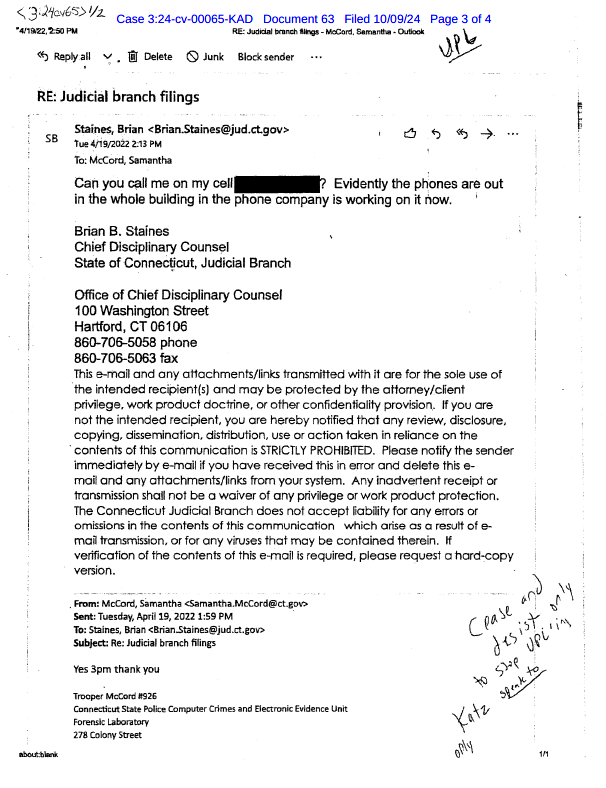
The shadow of judicial and prosecutorial bias looms throughout. A retired Connecticut Supreme Court justice (Joette Katz) publicly declared Boyne’s blog a “clear and present danger” while evidence suggests law enforcement was instructed to consult her privately. Whether proven or not, the appearance of impropriety is undeniable.
Taken together, the Boyne case reflects something far more serious than one offensive blogger. It represents a stress test for the Constitution. If speech alone can be rebranded as stalking, if illegal searches can be ignored, and if courts tolerate punishment by process, then the First Amendment is no longer a shield—it is a suggestion.
As Boyne has warned: “If they can criminalize speech under the guise of cyberstalking, they can silence anyone who criticizes the government.”
That warning deserves to be taken seriously.
Jury selection is scheduled for January 21.


