


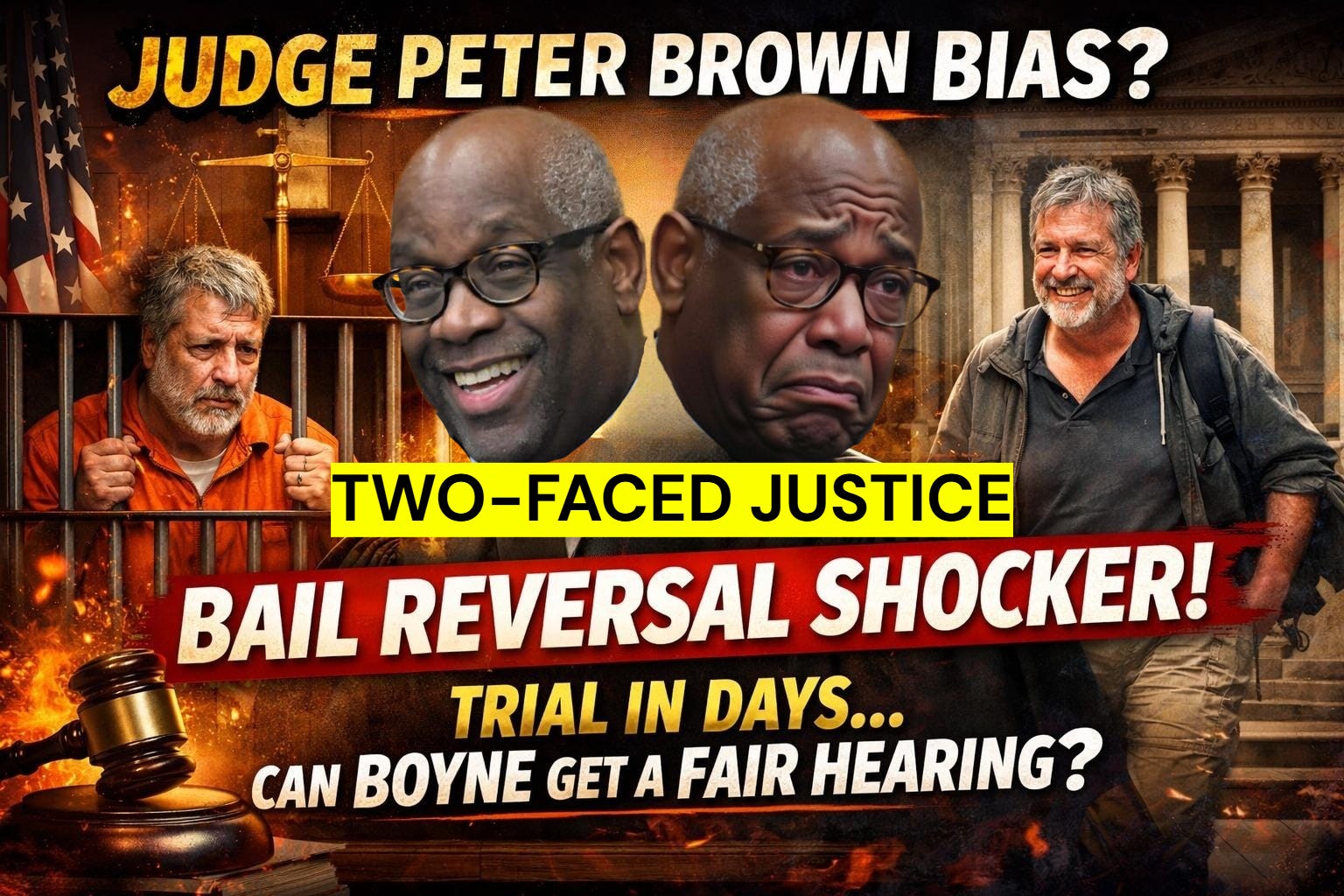
LUTHMANN NOTE: The bond reversal does not erase what happened. Paul Boyne was jailed under a $1.5 million bond for sharing a document read aloud in open court. The prosecution withdrew its request. The judge acted anyway. Then reversed himself hours before appellate review. That sequence matters. If bail becomes punishment for speech, no critic of power is safe. The trial begins February 24. The bias question will not disappear. This piece is “Biased Judge Peter Brown,” first available on TheFamilyCourtCircus.com.


By Richard Luthmann with Michael Volpe
(NEW HAVEN, CONNECTICUT) – In a stunning turnabout, Connecticut authorities released blogger and journalist Paul Boyne from jail this afternoon – just one week before his high-profile trial was set to begin. Boyne, 62, walked free after Judge Peter L. Brown abruptly reversed a controversial bond hike that had kept the outspoken journalist behind bars for the past two weeks.
The last-minute liberation ends a 15-day pre-trial jailing that critics blasted as punitive and unprecedented. Boyne had been locked in a maximum-security unit among violent felons – a result of Judge Brown quintupling his bond to an eye-popping $1.5 million – until today’s dramatic bail reinstatement allowed him to go home.
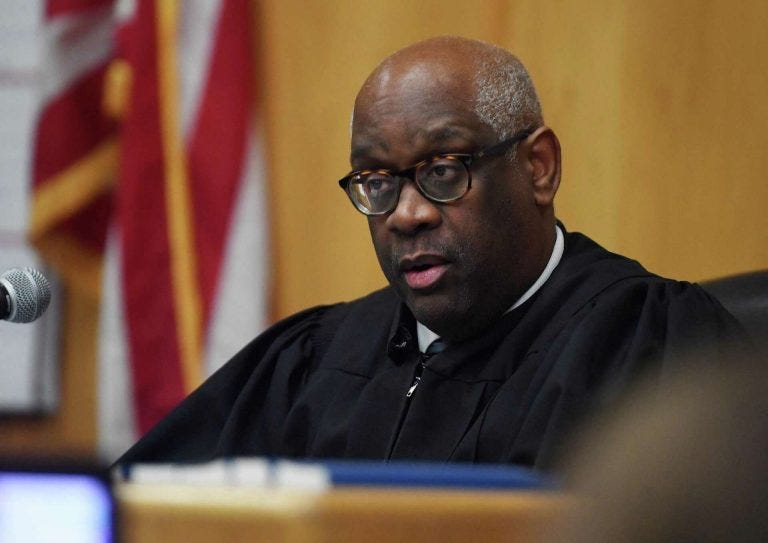
Now observers ask: Is Judge Peter Brown’s impartiality compromised by this bail fiasco?
The judge’s whiplash reversal, coming hours before Appellate Review was due and only after outside scrutiny mounted, has fueled questions about bias and abuse of power on the bench.
Brown’s critics argue that his maneuvers – jailing Boyne over a witness list “non-leak” leak that embarrassed Connecticut’s legal elite – suggest a personal vendetta that could undermine the fairness of next week’s trial.
Breaking News: Biased Judge Peter Brown’s Bond Flip-Flop Sets Boyne Free
Boyne’s release came at an unscheduled hearing on Tuesday, Feb. 17, 2026, in New Haven. Judge Brown convened the session on short notice and dropped Boyne’s bond back to its prior level, effectively undoing the $1.5 million bail increase he imposed two weeks earlier.
Moments later, marshals removed Boyne’s shackles, and the relieved defendant walked out of court with an ankle monitor affixed.

The timing was striking: Brown acted just hours before a 5:00 p.m. appellate court deadline for prosecutors to justify Boyne’s continued detention. By lowering the bond and releasing Boyne, the judge mooted a pending petition for review of his bail order, avoiding an imminent appellate showdown.
This abrupt about-face ends a two-week ordeal for Boyne, who had been jailed since Feb. 2 after Judge Brown’s earlier bombshell decision to revoke his freedom. Before that, Boyne had spent over a year free on bail with a spotless court record – never missing a date.
Yet on Feb. 2, in what was then a closed-door hearing, Judge Brown hiked Boyne’s bond from $7,000 to $1.5 million and ordered him jailed. Brown indicated at the time that he would revisit the bond on Feb. 17 and likely reduce it back down, essentially telegraphing that Boyne’s jailing was a short-term measure.
Today, the judge kept that promise. Boyne’s parents – with whom he lives – posted his original bond, clearing the way for his release one week before trial. Outside the courthouse, family and supporters embraced Boyne, who smiled but declined to comment, per his attorney’s advice.
His legal nightmare is far from over, but he will prepare for the upcoming trial at home instead of a cell.
Officials have not issued a formal statement on the release. Prosecutors complied with the appellate court’s order by informing the higher court that Boyne’s circumstances had changed – code for “he’s out,” thus rendering further appellate intervention unnecessary.
The Appellate Court had been poised to review Judge Brown’s bail decision as early as tomorrow. Now that review is effectively short-circuited.
“It’s a victory for now, but the damage is done,” one courtroom observer said, noting Boyne lost two critical weeks of trial prep while locked up. “More importantly, his health is decimated. He’s diabetic, and he hasn’t had medication in a week. They own this.”

Boyne’s attorney, Todd Bussert, said nothing.
“This shouldn’t happen to anyone in a constitutional democracy,” another observer said, calling the initial jailing “beyond the pale.”
The focus now shifts to Feb. 24, when jury selection resumes, and State of Connecticut v. Paul Boyne finally heads to trial – with Boyne appearing from freedom, not in an orange jumpsuit.
Bond Whiplash Triggers Bias Accusations Against Biased Judge Peter Brown
Judge Brown’s bail flip-flop has ignited fierce criticism and raised doubts about his neutrality. The same judge who threw Boyne in jail for “contemptuous” conduct is now the one who freed him – leading many to question what changed, and why.
Brown’s initial decision to jack up Boyne’s bond was openly punitive. In the Feb. 2 proceeding, Brown blasted Boyne for sharing a court witness list with the press, calling it an attempt to harass and intimidate witnesses, and admitted he was increasing the bond “sua sponte” to punish that behavior.
Such candid retribution is virtually unheard of in bail hearings. Legal analysts were floored. By explicitly tying the bail hike to Boyne’s speech, the judge affirmed its punitive intent – appearing to criminalize a defendant’s exercise of First Amendment rights.
That Feb. 2 hearing itself raised red flags. It was set with no formal motion from prosecutors and scant notice to the defense. Just days earlier, on Jan. 29, the State’s Attorney had withdrawn his request to modify Boyne’s bond, apparently recognizing it lacked a solid legal basis.
At a hearing that week, even Judge Brown conceded he wasn’t sure Boyne’s actions met the legal standard for witness tampering or any new crime.
Yet by the following Monday, Brown did an about-face. Despite the prosecution backing off, Brown forged ahead on Feb. 2 and unilaterally increased the bond, as if – in the words of one court watcher – “the judge had been itching to jail Boyne regardless.”
To Boyne’s camp, it looked like Brown was determined (or directed) to punish him come hell or high water.
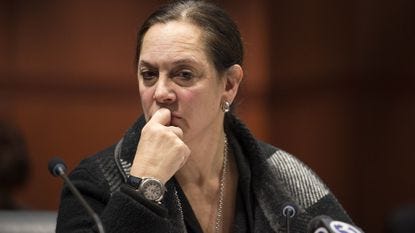
This sequence has stoked allegations of judicial bias. Why was Judge Brown so eager to imprison a nonviolent defendant who posed no flight risk? Boyne’s supporters smell judicial politics. The witness list Boyne circulated was a veritable Who’s Who of Connecticut’s power players – 68 names, including seven judges, a former state Supreme Court Justice, and other insiders.
By sharing it, Boyne exposed the extent of the judicial network tied to his case. One of those names was former Justice Joette Katz, a retired Connecticut Supreme Court justice whom Boyne had repeatedly criticized in his blog. Katz’s presence on the witness list raised eyebrows: prosecutors had long insisted Katz had “no direct role” in the case, yet there she was.
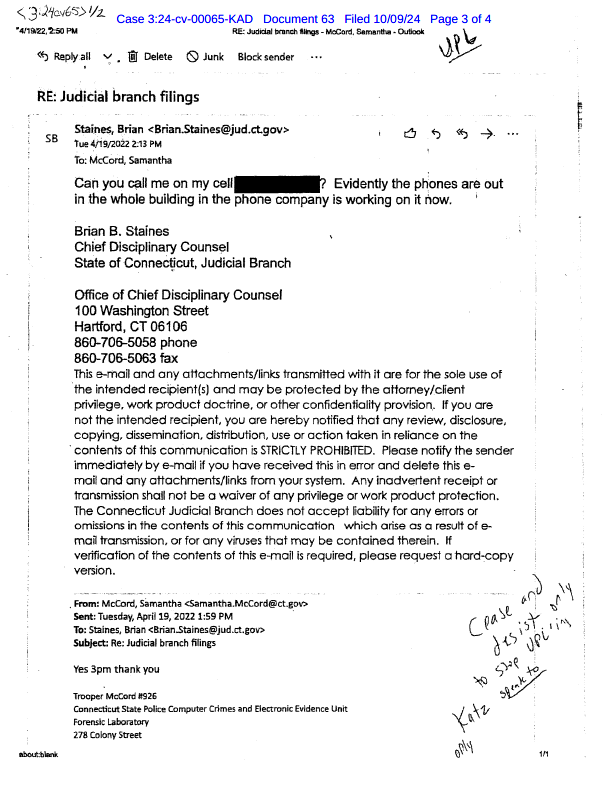
Even more startling, prosecutor Jack Doyle admitted in court that a Connecticut Judge (suspected to be Katz) had personally called him about the Boyne matter – an extraordinary behind-the-scenes intervention. To Boyne’s defenders, this smacks of an old-boys (and girls) club circling the wagons.
They suspect Judge Brown felt pressure to make an example of Boyne in order to protect the reputation of the judiciary and its allies, including Katz. Brown’s harsh reaction – and his subsequent quick retreat – only fuel the concern that he is too invested in the case’s outcome.
Richard Luthmann, a journalist who has covered the saga, did not mince words.
“I think Judge Brown should be impeached,” Luthmann fumed in a special podcast after witnessing the bond drama. He blasted Brown as “derelict in his duty as a judge” and argued the judge “should be put in jail for two weeks” himself to feel the effects of his rash ruling.
Such rhetoric is bombastic, but Luthmann insists it’s warranted: “This man used jail as punishment for speech. That’s beyond outrageous.”
Fellow reporter Michael Volpe was similarly blunt.
“What Judge Brown did was way over the line,” Volpe said on the same Feb. 13 podcast, referring to the $1.5 million bail slam.
Volpe noted that Brown is “lucky judicial immunity is as strong as it is,” implying that if not for judges’ broad legal immunity from lawsuits, Brown might be facing a civil rights lawsuit himself for this conduct.
“He’d be sued for this in a heartbeat,” Volpe remarked, calling the judge’s behavior “a black eye on Connecticut’s courts.”
The optics of the episode are hard to ignore. A judge jailing a critic for exposing public information – then quietly undoing it under appellate glare – has left an impression of partiality. Even with Boyne now free, the damage to Judge Brown’s image may be lasting.
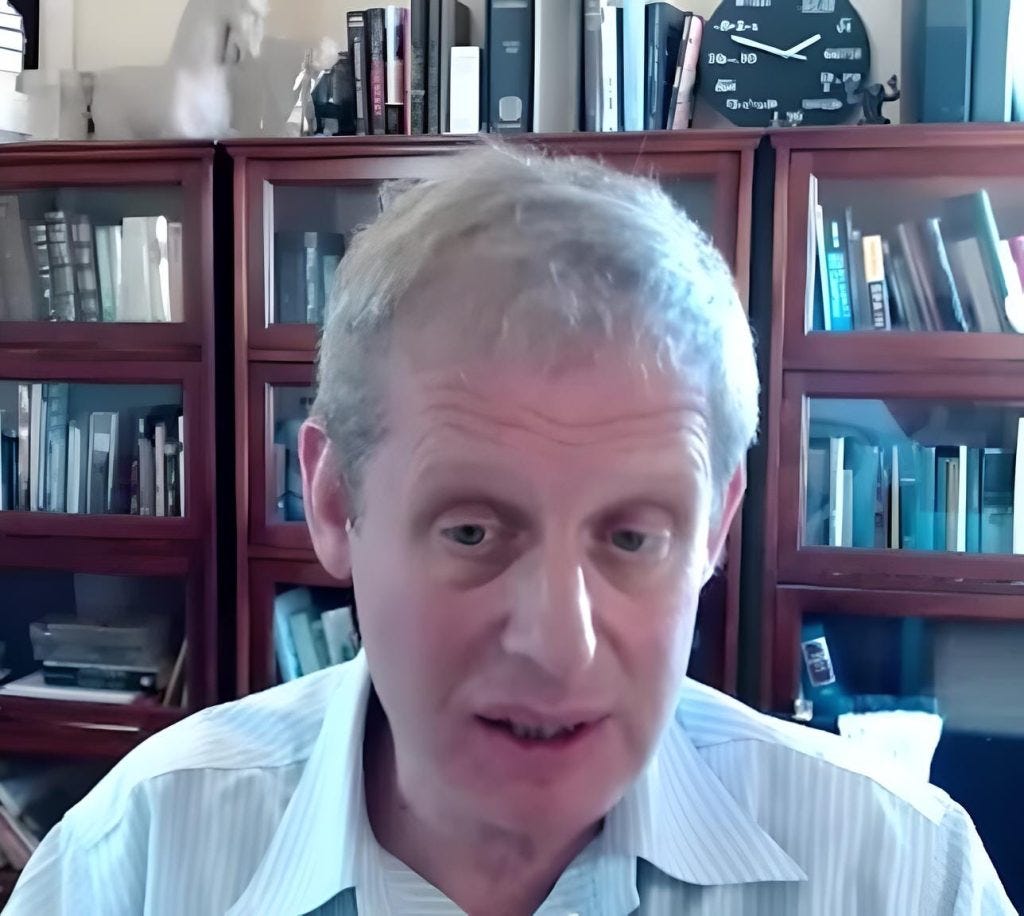
Legal experts say Brown’s actions betrayed a frustration that is personal, not judicial.
“He jailed a viewpoint, not a person,” said a Connecticut attorney who did not wish to be named, stating the optics were that Brown turned the justice system into “a cudgel” against dissent.
With Boyne’s trial imminent, defense attorneys are surely weighing whether to seek Judge Brown’s recusal on grounds of bias. As of now, Brown remains slated to preside when the case opens on Feb. 24 – a fact that has Boyne’s supporters on edge.
“How can Paul get a fair trial before the same guy who just threw him in jail for no valid reason?” a court watcher asked.
It’s a question reverberating far beyond New Haven.
Legal Fireworks: Biased Judge Peter Brown Bail Reversal Spurs Constitutional Clash
Beyond the personalities, serious legal issues underlie this bail saga. Judge Brown’s maneuver triggered a flurry of motions in the higher courts and spotlighted the constitutional limits on pretrial detention. After Brown raised the bond on Feb. 2, Boyne’s attorney immediately fought back on multiple fronts. They filed an emergency motion for a stay of the trial court’s order – essentially asking that Boyne be released pending appeal.
On Feb. 9, the Connecticut Appellate Court denied that stay request because the proper procedural vehicle was a petition and not a motion. The Appellate Court pointedly did so “without prejudice,” inviting a fast-track review of the bond issue via the proper procedure. Boyne’s defense team took the hint.
The very next day, Feb. 10, they filed the formal Petition for Review of Bond with the Appellate Court. In that petition, Boyne argued that Judge Brown’s massive bond increase was unlawful and unconstitutional – excessive bail aimed at punishment rather than ensuring court attendance. He detailed how the state never alleged he was dangerous or a flight risk, only that he had forwarded an unsealed witness list to journalists and a police officer. Punishing him for that, the petition contended, violated fundamental rights.
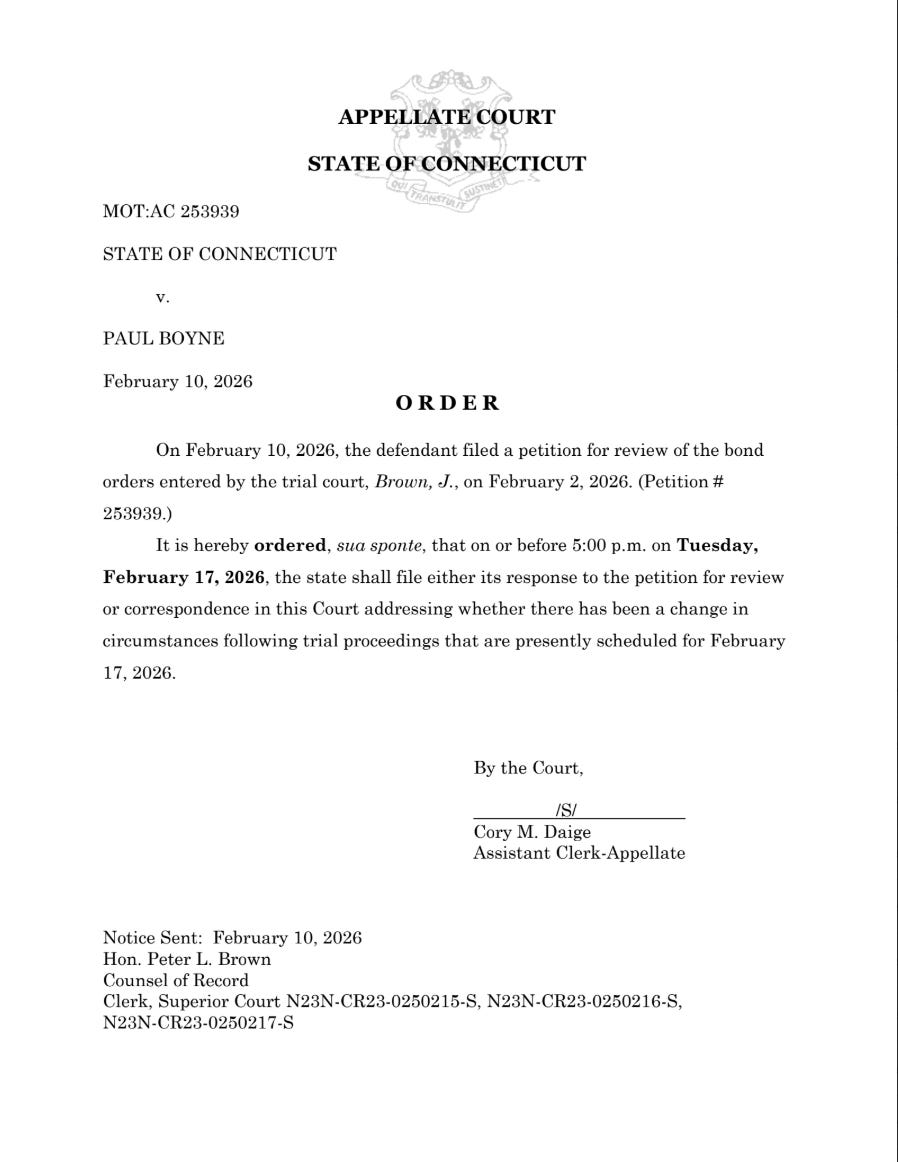
The Appellate Court moved with uncommon speed. On Feb. 10, Appellate Judge Cory M. Daigle issued an order compelling the state to respond to Boyne’s petition by Feb. 17. Significantly, the appellate order noted the upcoming trial date and asked prosecutors to say whether “a change in circumstances” was expected on Feb. 17 – the same day Judge Brown had set to review Boyne’s bond. In essence, the higher court was signaling that if Brown didn’t fix this, they would.
It was against that tense backdrop that Judge Brown convened today’s hearing and freed Boyne. By doing so, Brown averted a potential appellate ruling on his conduct. Had the Appellate Court found the bond increase improper, it would have been a public rebuke of Brown just days before trial.
Instead, the petition for review will likely be dismissed as moot, and no appellate precedent will be set – exactly the outcome most convenient for Judge Brown.
Still, the legal debate rages. Scholars note that Brown’s initial bond order appears to flout both the Eighth Amendment of the U.S. Constitution and its Connecticut counterpart, which prohibit excessive bail. Bail is constitutionally supposed to secure a defendant’s appearance in court – not to inflict punishment.
More than half a century ago, the U.S. Supreme Court in Stack v. Boyle held that bail must be tailored to the sole purpose of assuring the defendant’s presence at trial, “nothing more.”
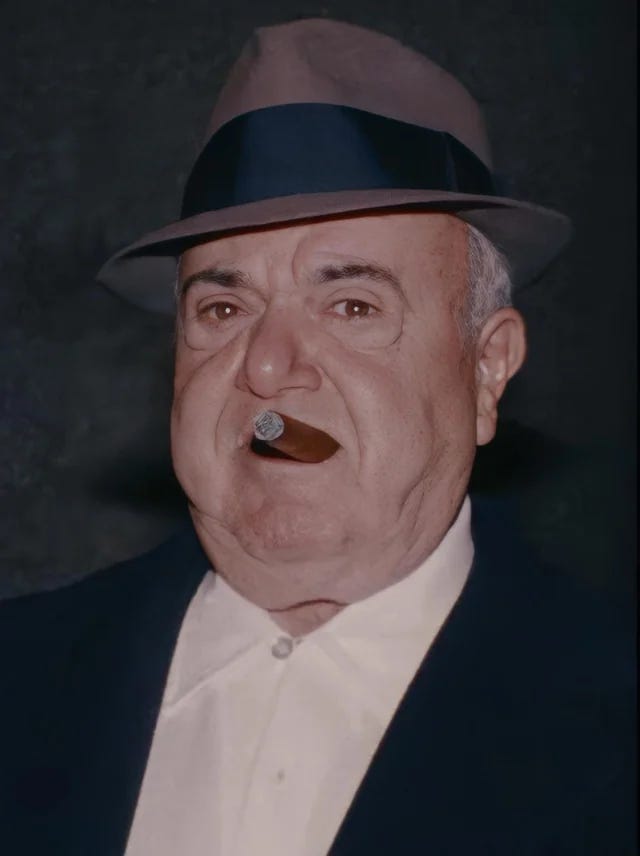
Even United States v. Salerno, the 1987 decision that permitted denying bail to genuinely dangerous suspects (including the notorious “Fat Tony” Salerno), underscored that pretrial detention is regulatory, not punitive.
Judge Brown’s colossal $1.5 million bond for a nonviolent, cooperative defendant like Boyne seems on its face designed not to ensure appearance but to guarantee detention. Brown practically said as much on the record – a move experts have dubbed “judicial misconduct in broad daylight.”
Moreover, Brown’s method – acting sua sponte (on his own initiative) without a pending motion, and providing no meaningful notice or hearing to the defense – raises due process concerns. Connecticut’s practice rules do allow a defendant to seek appellate review of a trial court’s bail setting (C.G.S. § 54-63g), precisely to prevent abuse. Boyne availed himself of that remedy, and it likely pressured the trial judge to relent. But absent appellate oversight, a judge’s unilateral bail revocation can leave a defendant powerless.
“In the absence of [appellate] power, the right to bail becomes a nullity,” Boyne’s petition argued, warning that a trial judge could otherwise eliminate the right by simply refusing a reasonable bond.
Legal commentators note that even contempt of court – which Brown hinted at – would normally require specific procedures and findings, not an overnight bond ambush. By using bail as a makeshift sanction, Brown blurred the lines between pretrial release criteria and punishment for misconduct, something appellate courts frown upon.
In court filings, Boyne’s attorney emphasized that no gag order or seal was ever in place on the witness list. The list was read aloud in open court repeatedly during jury selection.
“By all indications, Boyne’s only ‘crime’ was sharing it more widely,” journalist Michael Volpe quipped of the incident.
That puts Brown’s extreme reaction on dubious footing. Even the prosecutor, Jack Doyle, stopped short of accusing Boyne of any new crime. Doyle told the judge on Jan. 29 that he could not substantiate any actual witness tampering or intimidation by Boyne – conceding it “may or may not ever get to the point of being criminal.”

Lacking clear statutory grounds, Brown’s justification for the bond hike boiled down to protecting the “decorum” of the proceedings and punishing what he saw as a “contemptuous” stunt. But courtroom decorum, as important as it is, cannot override constitutional guarantees. The Connecticut Constitution (Conn. Const. art. I, § 8) affirms that accused persons have a right to be released on sufficient sureties (except in certain severe cases), and both state and federal law forbid setting bail so high as to be oppressive. See State v. Menillo.
That is why Boyne’s sudden jailing sent shockwaves through the legal community: it appeared to weaponize bail as a means of retaliation, a purpose wholly at odds with its role in our justice system.
Now that Brown himself has reversed course and freed Boyne, some of these legal flames may subside – but the episode has already become a case study.
“This looks like pure retaliation,” one court watcher said as he saw Boyne led away in shackles two weeks ago. Today, that impression still lingers.
The Connecticut judiciary narrowly avoided an appellate confrontation that might have produced a scathing opinion on Brown’s actions. Yet the questions raised – about how far a judge can go in clamping down on a defendant’s speech, and whether bail can ever be used as a judicial weapon – remain unsettled.
Lawyers across the state and country are surely taking note: if it can happen to Boyne, a 64-year-old Navy veteran accused of words, it could happen to others.
The clash between Judge Brown’s approach and long-standing constitutional principles may well resurface as the trial progresses, especially if any further surprises erupt.
Fallout and Next Steps: Trial Looms, Calls for Accountability Grow For Biased Judge Peter Brown
With Boyne out of jail, attention now pivots to the upcoming trial – and to the broader implications of this saga. Jury selection in State of Connecticut v. Paul Boyne is scheduled to resume on Feb. 24, 2026, in New Haven Superior Court, with Judge Brown still at the helm. A full jury was already impaneled before the bond fiasco, a fact that complicates matters. Those jurors witnessed the unusual two-week break in proceedings and could conceivably hear whispers about why the defendant vanished from the courtroom after Jan. 30.
Boyne’s defense team may push for additional voir dire (questioning) to ensure jurors remain impartial despite the drama. They may even consider requesting Judge Brown’s recusal, arguing that his recent conduct demonstrates bias against their client.
It is a high bar – judges rarely recuse themselves absent clear evidence of personal bias – but the argument practically writes itself after Brown’s punitive stance. Legal observers note that public confidence in the trial’s fairness is paramount.
“The optics are terrible if the same judge keeps the case,” said one former prosecutor, who suggested the court administration might quietly reassign the trial to diffuse controversy.
As of now, however, no change has been announced; Judge Brown presided over today’s hearing and appears intent on seeing the case through.
Meanwhile, the court of public opinion is heating up. Boyne’s case has become a rallying point for First Amendment and government accountability advocates. He faces 18 felony counts of electronic stalking and harassment of judges – essentially, prosecutors allege his fiery blog posts crossed into criminal threats.
Boyne maintains he’s being prosecuted for pure speech, claiming Connecticut officials are retaliating against him for exposing corruption in family courts. That narrative gained traction when details emerged that the prosecution was sparked by behind-the-scenes lobbying (such as Justice Katz’s involvement) and that evidence was gathered through sealed warrants and raids on Boyne’s out-of-state home.
To Boyne’s supporters, the bond fiasco only reinforces their point: that the system is bending rules to silence a critic. The term “lawfare” – using the law as a weapon against political opponents – has been invoked, and not lightly. Even after being freed, Boyne, in a jailhouse call, described his treatment as punitive and silencing.
“Of course it’s punitive… it had nothing to do with safety or flight risk and everything to do with silencing my speech,” he said of the high bond.
Calls are mounting for oversight beyond the confines of this trial. Civil liberties groups are reportedly monitoring the case, and inquiries have been made to Connecticut’s Judicial Review Council (the body that handles complaints against judges). However, any formal discipline of Judge Brown would likely come well after the trial, if at all. Many note that judges enjoy near-absolute immunity from personal liability for judicial acts – a doctrine the U.S. Supreme Court has upheld even when those acts are alleged to be malicious or in bad faith.
In other words, Brown cannot be sued by Boyne for this incident as long as it fell within his judicial capacity.
“That’s the rub,” Michael Volpe observed. “What Brown did was outrageous, but he’s shielded by the black robe.”
Some have gone further, urging federal authorities to examine whether Boyne’s rights were willfully violated “under color of law.” They point to statutes like 18 U.S.C. § 241, a Reconstruction-era civil rights law that makes it a federal crime for officials to conspire to deprive someone of their constitutional rights. Invoking such laws is rare and typically requires egregious proof of a conspiracy, but the mere talk of it underscores how extreme this situation appears to some.
“This is the kind of case the feds should be looking at,” Richard Luthmann argued, noting that Brown’s sudden reversal “doesn’t erase the fact that it happened.”
He likened Boyne’s jailing to an “attempted institutional homicide,” accusing officials of endangering Boyne’s health (he is diabetic) by placing him in harsh prison conditions with inadequate care.
“If he had dropped dead in there, they’d have achieved their goal,” Luthmann charged. Such fiery language shows the level of outrage in certain quarters.
As the dust settles, one thing is clear: the Boyne affair has become more than a single criminal case – it’s now a symbol of a wider conflict between governmental power and free expression. For Connecticut’s judiciary, it’s a moment fraught with peril. Any misstep at trial – any hint of further retaliation or unfairness – will be seized upon as confirmation of bias. On the other hand, if the process proceeds normally and transparently, the courts may yet salvage credibility.
Judge Brown, for his part, will be under a microscope. Every ruling he makes on evidence or objections will be parsed for prejudice. The judge who once gagged Boyne (one of the Feb. 2 orders banned Boyne from possessing court documents or contacting witnesses) will now have to ensure Boyne gets a fair chance to defend his writings before a jury of his peers.

The stakes are high. A conviction on all counts could send Boyne to prison for many years – a sobering outcome for a man essentially accused of overzealous blogging. An acquittal, by contrast, would be a stunning rebuke to the state and might vindicate Boyne’s claims of political persecution. Either way, the shockwaves from this month’s bail saga will resonate. The case has already prompted comparisons to famous First Amendment battles and has people asking where the line is between protected speech and criminal conduct. It has also shed light on the unchecked power of judges in pretrial matters.
“Bail is not a cudgel. Courts do not get to criminalize criticism,” Luthmann said. “If this stands, the First Amendment is conditional – and that should terrify everyone.”
Those words, penned amid Boyne’s imprisonment, carry even more weight now. Paul Boyne may be free tonight, but the clash between an irate judiciary and a defiant truth-teller is far from over.
All eyes will be on Courtroom 5A in New Haven next week. The question hanging in the air: will justice be blind, or has it already taken sides?


