

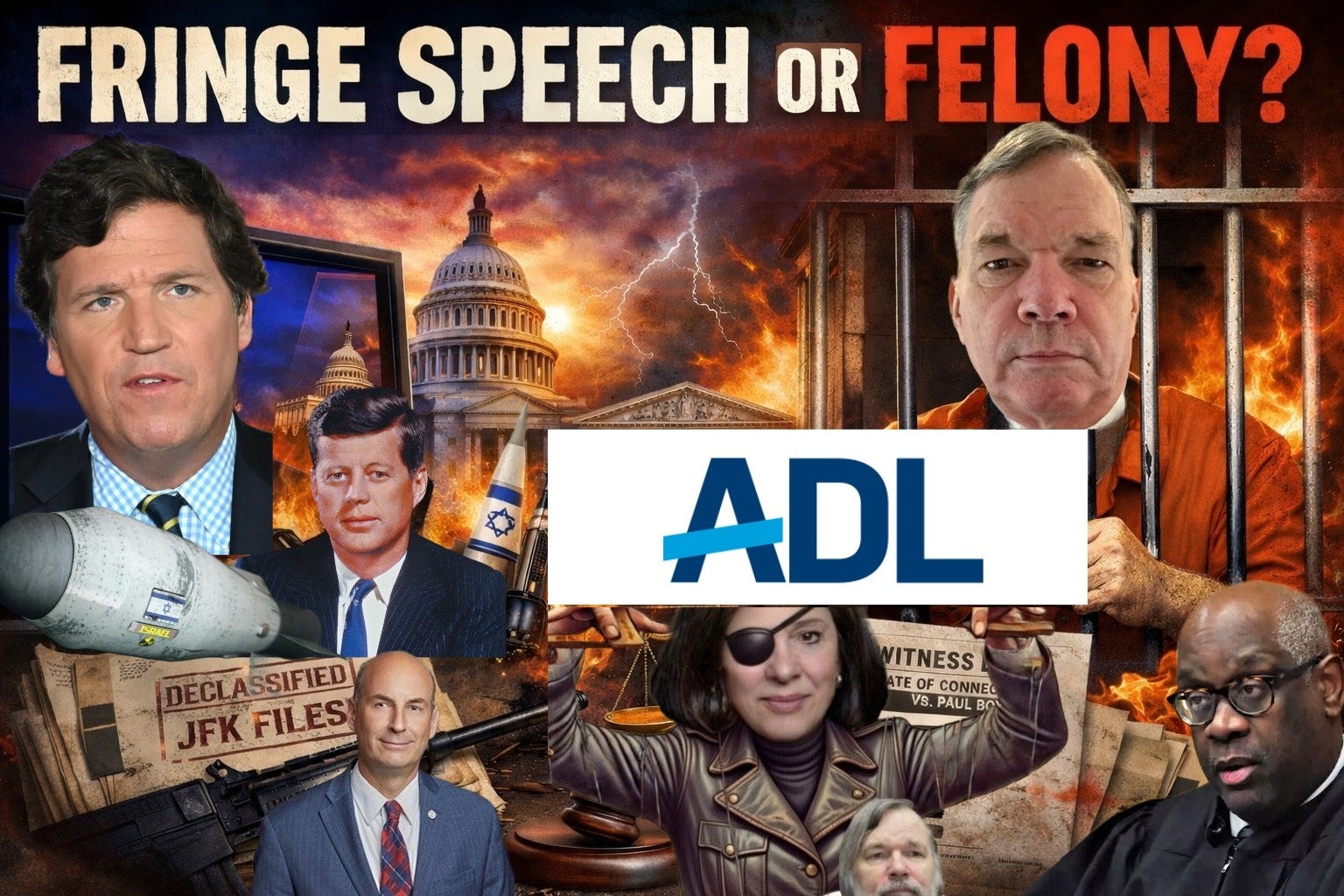
LUTHMANN NOTE: If a Tucker Carlson guest can go on national television and speculate about JFK, CIA plots, or shadow governments without facing handcuffs, why is a blogger sitting in a Connecticut jail cell? That question should concern every journalist and civil libertarian in America. The eyes of freedom lovers and the free press are on the State of Connecticut. Free speech is not a popularity contest. I do not endorse Paul Boyne’s rhetoric. I do not share his views. But I recognize a dangerous constitutional line when I see one. Watts protected crude hyperbole about shooting a president. Bagdasarian protected “50 cal” rhetoric about Obama. Counterman raised the bar for criminal liability. The Constitution does not bend because judges feel insulted. If grotesque political speech becomes felony intimidation, the chilling effect will not stop with fringe bloggers. This piece asks the only question that matters: Fringe Speech or Felony?
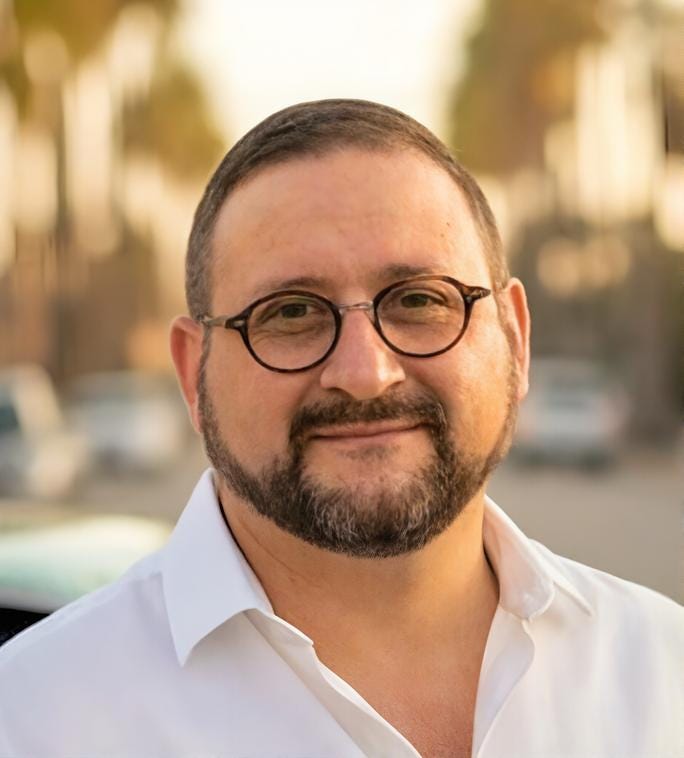
By Richard Luthmann
(NEW HAVEN, CONNECTICUT) – Journalist Paul Boyne sits in a jail cell, accused of blogging words that Connecticut prosecutors deem criminal. His crime, as he tells it: speaking his mind about powerful people. Boyne’s incendiary posts railed against what he calls a “Jewish cabal” running Connecticut’s family courts and floated conspiracies about everything from President John F. Kennedy’s assassination to Israel’s secret nuclear program.
The content is fringe, even offensive – slurs, hyperbole, violent imagery – but Boyne insists it’s protected speech under the First Amendment. If spouting wild conspiracies were illegal, he argues, Tucker Carlson and half the talking heads on TV would be behind bars, not him.
And yet Boyne, a 62-year-old Navy veteran-turned-blogger, faces 18 felony counts in Connecticut for posts on a newly sanitized yet preserved website, The Family Court Circus.com. He’s been extradited, held on a $1.5 million bond, essentially for his words.
Authorities claim Boyne crossed a line into true threats and hate speech by singling out judges (several of them Jewish) with vicious ridicule and talk of bullets. Boyne’s retort: it was opinionated “op-ed” style criticism, however harsh. “They’re just going to punish me, because it’s a whole bunch of Jews running the entire thing,” Boyne said of the prosecution.
He frames himself as a free-speech martyr, jailed for his unpopular views. The case pits an outraged blogger’s brash rants against a state bent on punishing speech it deems dangerous. At stake is the line between extreme rhetoric and criminal threat, and whether the First Amendment protects even the most abhorrent commentary from being silenced by the government.
Boyne and his supporters say yes – that punishing him for words (no matter how ugly) guts America’s core free expression values. Prosecutors say Boyne’s particular words cross into unprotected territory.
The showdown is underway: Is Paul Boyne a criminal loudmouth – or a canary in the coal mine for free speech?
Fringe Speech or Felony: Conspiracy Theories vs. the First Amendment
Boyne is no stranger to controversy. His writings are rife with conspiracy tropes and bigoted barbs. He’s called Connecticut’s family court “the most evil court in the land,” controlled by “monsters,” even dubbing it “a Jewish enterprise designed to destroy the rights of a sovereign people.”
On his blog, Boyne didn’t just criticize judges – he fantasized about them meeting violent ends. In one post, he wrote, “Judge Gerard Adelman gets a .50 cal to the head,” accusing Adelman and other “Jews of Connecticut” of hijacking the courts and begging for violent retribution.
He published an imagined assassination scenario of Judge Eric Coleman, musing about a sniper shot “from the grassy knoll” through the judge’s window or a “high capacity magazine in a dark alley,” even urging to “burn the courthouse to the ground.”
It’s the kind of rhetoric that makes one’s jaw drop – and judges claim they were legitimately fearful for their lives. The State plans on calling at least eight (8) current or former judges in its case.
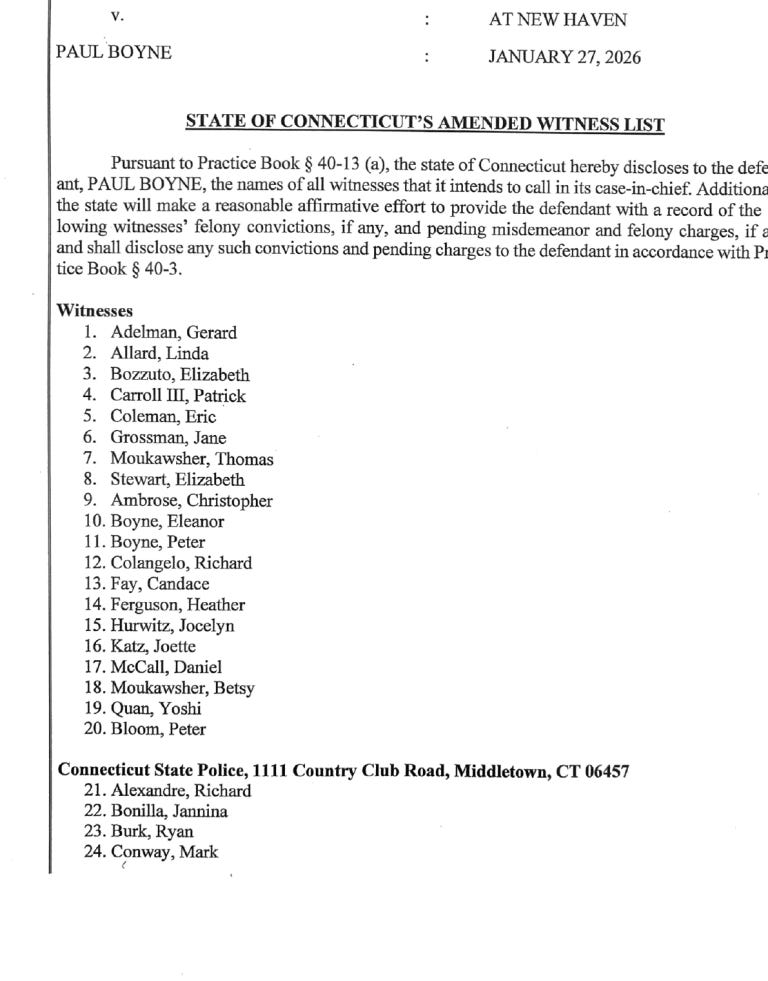
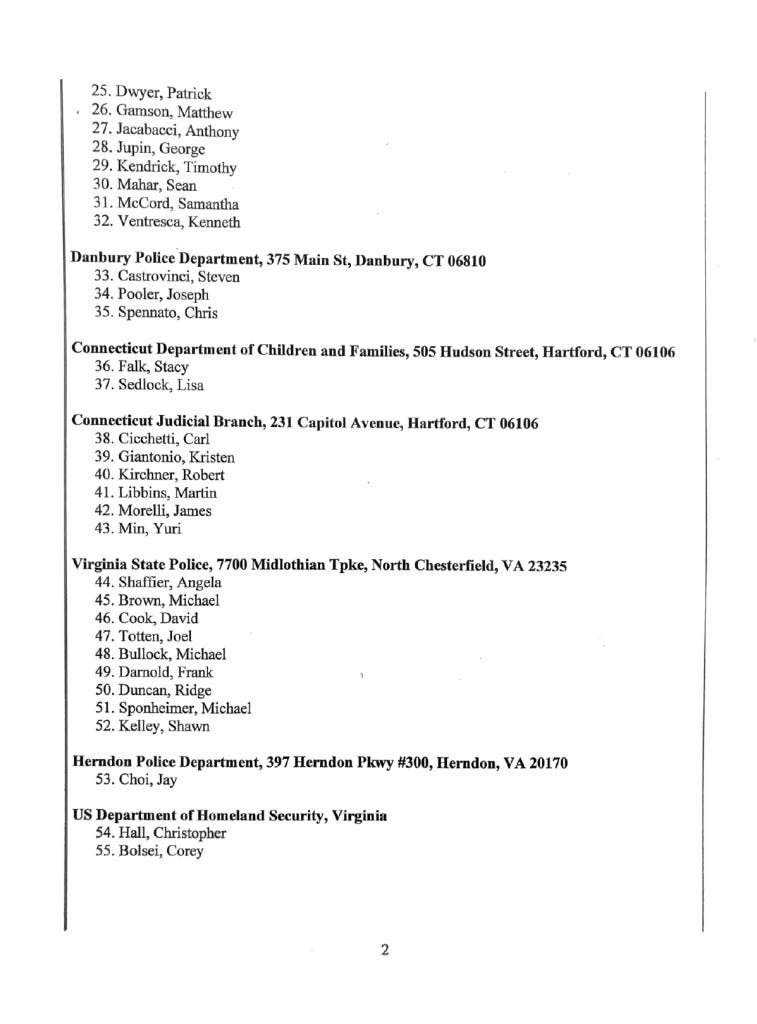
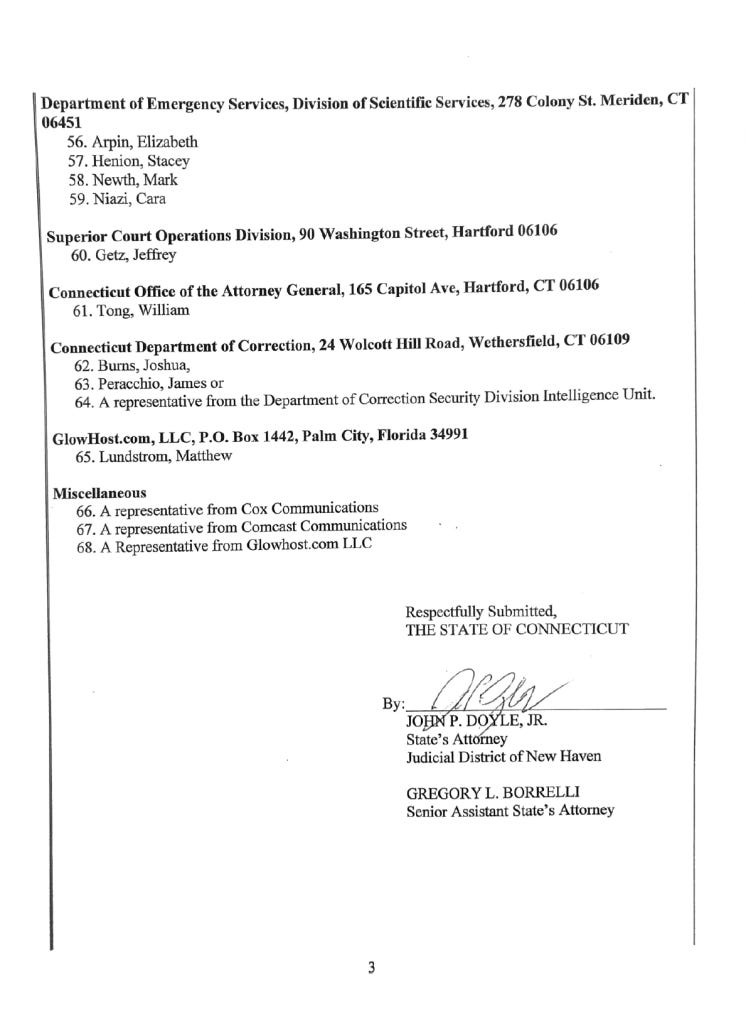
Yet no actual violence ever came of Boyne’s diatribes, and he never directly contacted his targets. It was all posted online as a form of grotesque opinion journalism. Boyne contends he was simply sounding off, however offensively, about what he sees as deep corruption.
“I never pointed a gun at anyone. I put words on a website,” he says in effect.
He even likened his blog to “a bulletin board on [his] front lawn” – no one is forced to drive by and read it, not even judges. To Boyne, context is key: his blog was an outlet to blow off steam and expose (as he sees it) injustice, not a literal hit list.
He notes that mainstream pundits use violent metaphors or extreme rhetoric regularly with no legal consequences. On cable news, commentators talk about “Second Amendment solutions” or joke about politicians taking a bullet – it might be crass, but it’s protected political hyperbole.
Boyne insists his words are no different.
In fact, he explicitly cast his posts as satire and “political speech”, citing Supreme Court precedent that protects even threatening-sounding speech if not meant in earnest. He points to Watts v. United States, the 1969 case where a young protester said he might put President Lyndon B. Johnson “in his sights” if drafted – the Supreme Court ruled it was crude political hyperbole, not a true threat.
Boyne asks: “If joking about shooting the president was deemed protected speech, why not my over-the-top broadsides against judges? If you can joke about a .50 cal and Obama, why not judges?” he quipped in a jailhouse interview.
Legally, he’s right. In United States v. Bagdasarian, the Ninth Circuit reversed a conviction for online posts stating then-candidate Barack Obama “will have a 50 cal in the head soon,” holding that even highly disturbing political statements referencing violence were protected speech absent proof that the defendant subjectively intended to make a true threat or that a reasonable person would perceive an actual, serious expression of intent to harm. 652 F.3d 1113 (9th Cir. 2011).
However, the First Amendment does not shield “true threats” – but what qualifies can be murky. Recently, the U.S. Supreme Court in Counterman v. Colorado tightened the definition, ruling that prosecutors must prove the accused intended or knew their statements would be seen as threats. 600 U.S. 66 (2023). Boyne seizes on this, arguing Connecticut can’t possibly show he meant to threaten anyone through online rants. To him, the state is punishing viewpoint and tone, not any genuine hazard.
Connecticut officials, for their part, emphasize the particular vitriol in Boyne’s posts: because he targeted judges based on religion and ethnicity (Jewish), they charged him under a new felony “bias-motivated” harassment law. See Conn. Gen. Stat. §§ 53a-181c(a)(4) and 53a-181f.
In other words, what might normally be a misdemeanor became a hate-crime-level felony due to Boyne’s anti-Semitic themes. That raises red flags for civil libertarians: punishing the hateful content of speech directly collides with First Amendment principles.
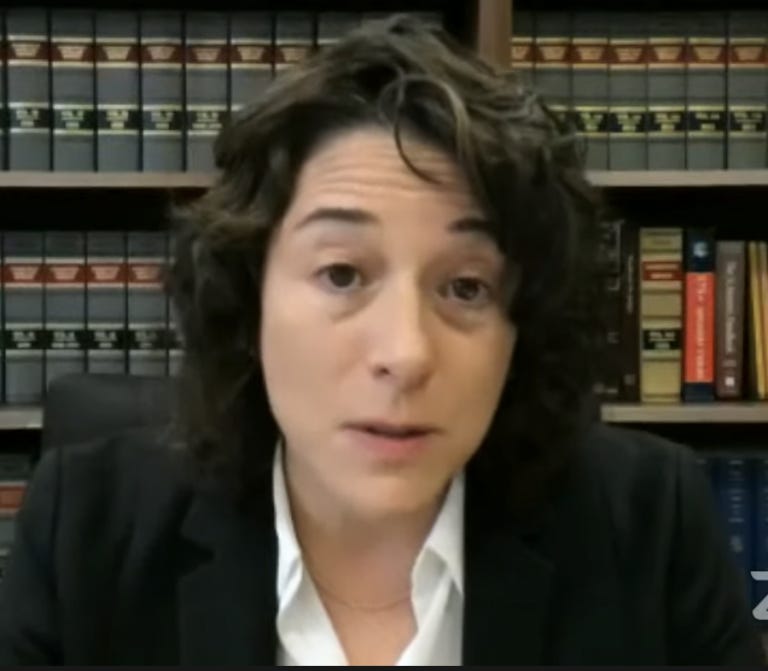
“They charged me because Judge Grossman doesn’t like reading about herself on the blog,” Boyne scoffs.
Indeed, Connecticut’s bias-harassment statute effectively criminalizes certain viewpoints (racist, antisemitic, etc.) if their expression causes distress – a well-intentioned guardrail against hate, perhaps, but one that blurs the line between threat and protected opinion. Boyne’s case is shaping up to be a high-stakes test of those blurred lines.
As his trial approaches, the eyes of free-speech advocates are watching: Will a jury see an angry blogger exercising his rights in obnoxious fashion – or a dangerous hatemonger whose words crossed into criminal terrorizing?
Fringe Speech or Felony: Revisiting Boyne’s View on Stolen Uranium and Secret Bombs
Part of what makes Paul Boyne’s worldview unique is how he connects his personal battle with what he sees as a much larger historical conspiracy. To hear Boyne tell it, his prosecution isn’t just about a few nasty blog posts – it’s retaliation by an entrenched Jewish power structure that he believes has been pulling strings behind the scenes for decades.
Exhibit A in Boyne’s grand theory: the Apollo Affair. If that term rings no bells, you’re not alone; it’s a real Cold War mystery often relegated to footnotes.
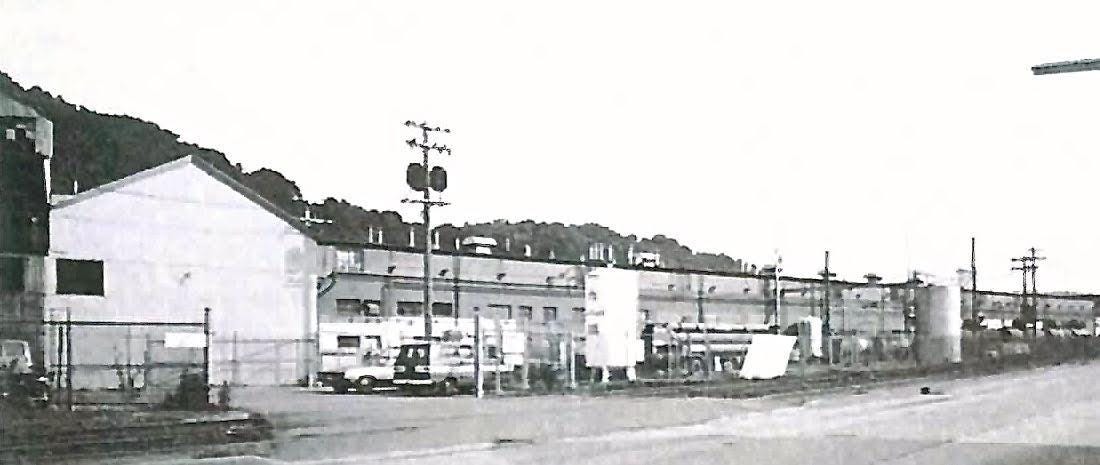
In the 1960s, a Pennsylvania nuclear materials plant called NUMEC (Nuclear Materials and Equipment Corp.) reported a baffling loss of highly enriched uranium – hundreds of pounds of it simply “vanished.” The incident, later dubbed the Apollo affair, sparked suspicions that the plant’s president, Zalman Shapiro (a devout Zionist), had covertly funneled the bomb-grade uranium to Israel’s nascent nuclear weapons program.
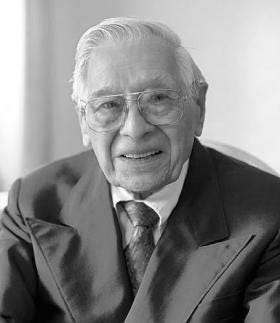
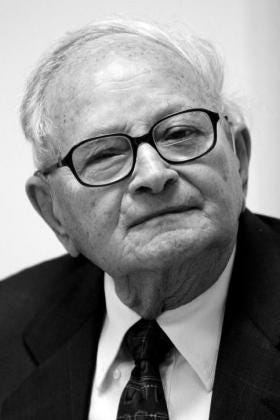
U.S. investigators from the Atomic Energy Commission, FBI, and CIA spent years on the case but never filed charges. Still, evidence of a clandestine diversion mounted: in 1968, top Mossad operative Rafael “Rafi” Eitan – infamous for later running the Jonathan Pollard spy ring – paid a visit to the Apollo, PA plant where the material had gone missing.
“There is no conceivable reason for Eitan to have gone…but for the nuclear material,” one former U.S. official concluded, after documents of the trip emerged decades later.
The implication? Israeli agents (with possible U.S. collaborators) stole nuclear fuel on American soil to jump-start Israel’s atomic bomb.
For Boyne, this isn’t dusty history – it’s confirmation of a cover-up and evidence of powerful interests at work. He delves into the Apollo Affair in his writings and in conversation, rattling off details with an engineer’s precision. Boyne is, in fact, a former Navy nuclear engineer, lending him confidence in discussing these topics.

He notes, for instance, that investigators even tested soil samples from Israel’s desert Dimona reactor site years later and reportedly found uranium isotopes matching the NUMEC material – a smoking gun that the stolen American uranium became Israeli nukes. Indeed, CIA records later stated outright that by the late 1960s, Israel had “crossed the nuclear threshold.”
By 1968, CIA Director Richard Helms informed President Lyndon Johnson that Israel “had indeed managed to build nuclear weapons” and even conducted practice bombing runs with them.
All this happened largely under the radar, while official U.S. policy outwardly opposed nuclear proliferation. To Boyne and those of similar mind, the United States’ establishment quietly abetted Israel’s secret bomb, and key figures who tried to stop it were silenced or overruled.
This brings Boyne to Exhibit B of his narrative: President John F. Kennedy.
Fringe Speech or Felony: Boyne’s Unapproved JFK Assassination Theory
Of the many Kennedy assassination theories out there – CIA plots, Mafia hitmen, Cuban revenge – Paul Boyne embraces one of the most explosive and least mainstream: that Israeli interests played a role in killing JFK. The notion is widely dismissed by historians, but Boyne argues it with fervor.
His starting point is a genuine historical friction: President Kennedy’s staunch opposition to Israel obtaining the bomb. In early 1963, JFK put enormous pressure on Israel’s Prime Minister at the time (first David Ben-Gurion, then Levi Eshkol) to open the secret Dimona reactor to U.S. inspection. Kennedy warned that American “commitment and support” for Israel could be seriously jeopardized if Israel refused to prove it wasn’t pursuing nuclear weapons.
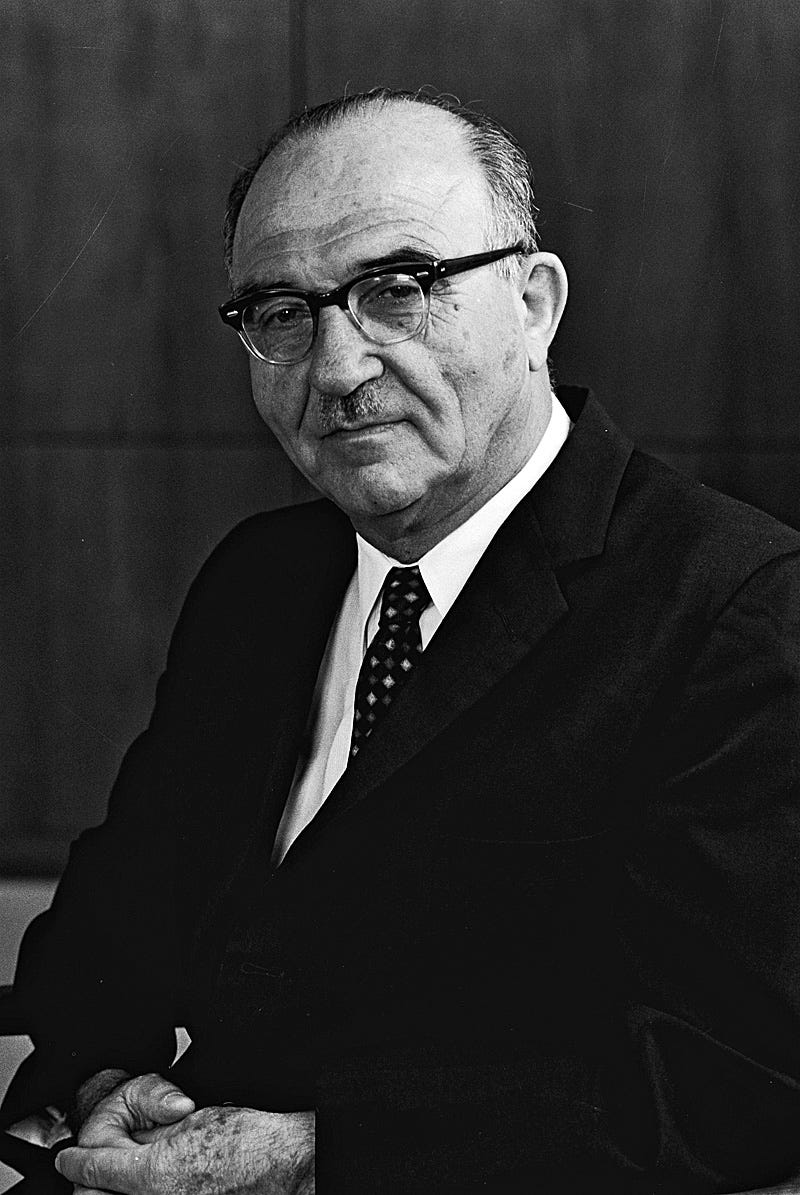
Behind closed doors, JFK was adamant that Israel must never acquire nukes on his watch – it wasn’t just about general non-proliferation, but a specific promise he demanded.
This U.S.-Israel standoff was still simmering in November 1963 when Kennedy took that fateful trip to Dallas. We all know what happened next: JFK was assassinated, a crime that has spawned an endless maze of conspiracy lore.
Boyne’s theory posits that Kennedy’s death removed a major obstacle to Israel’s nuclear ambitions. In his view, it’s no coincidence that after JFK’s exit, President Johnson quietly dropped the Dimona issue and Israel was left to finish its bomb project – which it did, successfully, by the end of the 1960s.
Boyne goes so far as to suggest that JFK’s murder was engineered or encouraged by a hidden network sympathetic to Israel – essentially, that Mossad or its allies colluded with other conspirators (perhaps organized crime or rogue CIA elements) to eliminate the one U.S. leader who stood in the way of an Israeli bomb. It’s a theory espoused in a few fringe books over the years, but never evidenced with hard proof.
Even Boyne admits there’s no smoking gun document saying “Israel did it.” Instead, he strings together circumstantial pieces: Jack Ruby was really “Rubinstein” (the man who killed Lee Harvey Oswald) had connections with organized crime figures and, Boyne notes, some ties to Jewish organizations; Lyndon Johnson was notably pro-Israel and had close Jewish associates (Boyne points out that LBJ’s own grandfather was sympathetic to Jewish causes, a trivial fact in most eyes but meaningful to Boyne’s narrative).
The bottom line of this theory is motive and outcome: Israel had a powerful motive to want Kennedy gone (survival of their nuclear program), and in the aftermath of Dallas, they undeniably benefited as U.S. pressure evaporated.
Boyne captures it in a macabre quip: Kennedy said, “You’re not gonna have the bomb” – then his head explodes in Dealey Plaza, and suddenly nobody talks about nuclear inspections anymore.
The implication is clear, if chilling: JFK was taken out so Israel could get the bomb. It’s a staggering allegation that mainstream analysts reject (pointing instead to Castro, the KGB, or most commonly Oswald as the lone actor).
But Boyne’s provocative take is precisely the kind of extreme political speculation he believes the First Amendment was made to protect.
“Maybe most people find it crazy. Maybe it is crazy. But since when do we jail people for their theories about history?” he jabs.
In his case, Connecticut authorities might argue, it’s not the theory alone but the way he wrapped it in menacing, anti-Semitic invective. Boyne, however, sees a straight line from criminalizing his JFK/Israel talk to criminalizing any dissenting or uncomfortable speech. If questioning official narratives (no matter how fringe your version) becomes punishable because it offends the powers-that-be, he argues, free discourse is in dire trouble.
Notably, Boyne’s JFK-Israel musings are not entirely absent from public discourse – even if they’re beyond the pale for polite society. In recent years, as more JFK assassination files have trickled out, major media figures have flirted with “alternative” explanations for the Dallas tragedy.
Even the once-fox of Fox News, Tucker Carlson, devoted a primetime segment to suggesting the CIA was involved in JFK’s death. In December 2022, Carlson told his audience of millions that a well-placed source confided to him, “Yes, the CIA was involved… It’s all fake,” effectively endorsing a conspiracy that the American deep state murdered its own president.
If such a claim can be aired on national television by a prominent host, Boyne asks: “Why is my rant about Israel’s role treated any differently? Carlson wasn’t arrested for speculating about a murder conspiracy, nor ostracized from mainstream circles” (indeed, many lapped it up).
Boyne’s point: double standards abound when it comes to who can say what.
Fringe Speech or Felony: The “Jewish Cabal” in Connecticut Family Court
Back on the ground in Connecticut, Boyne’s immediate battle centers on his allegations of a “Jewish cabal” in the family court – and whether voicing that in vile terms amounts to a crime. The origins of Boyne’s crusade lie in personal grievance.
In 2007, he went through a nightmarish divorce and custody fight in Connecticut family court. By his account, he was financially and emotionally crushed: lost custody of his four kids, was hit with exorbitant support payments he couldn’t possibly fulfill, and watched his ex-wife move the children out of state.
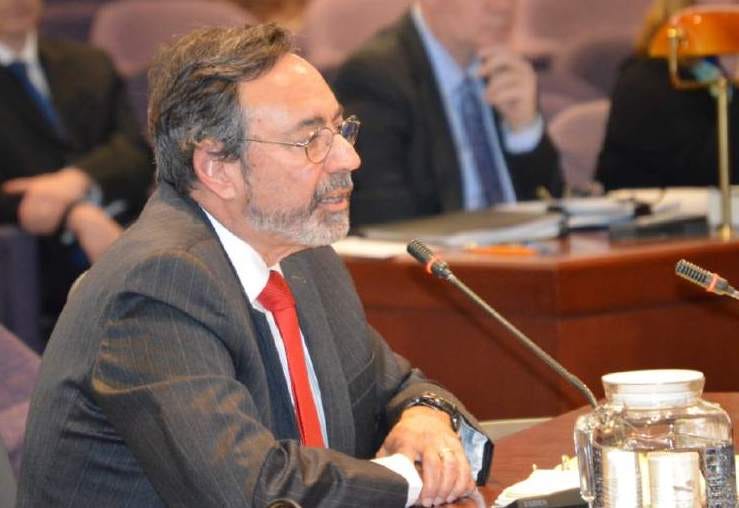
The divorce judge who ruled against him? Gerard Adelman, who is Jewish. In fact, as Boyne stewed over the years, he noticed many key players in Connecticut’s family court system happened to be Jewish. To his mind, this couldn’t be a coincidence.
He became convinced of an overarching “cabal” or clique of Jewish judges and lawyers colluding to strip parents (especially fathers) of their rights and milk them for money.
By 2017, Boyne, living in exile in Virginia, started TheFamilyCourtCircus.com, a no-holds-barred blog that named and shamed the people he deemed responsible for his and others’ suffering. He gave the targets nasty nicknames – Judge Adelman was “Adelshit” and “the Dark Lord,” Judge Jane Grossman became “Judge Grotesque,” etc.
He peppered posts with Hebrew terminology and accusations that these officials were “Talmudic” tyrants imposing foreign values on American families. The blog’s tone was scorched-earth. Boyne openly prayed for these judges to face violent justice: “He begs a patriot’s .50 cal to the head,” he wrote of Adelman.
In another entry, he snarled, “Only the Second Amendment remains… There lies the constitutional case for the assassination of Judge Coleman.”
In one article, he literally pasted a judge’s photo in crosshairs. It was extreme by any measure – essentially a long-running written tantrum against the judiciary.
The eight blog posts that form thebasis of the Boyne prosecution, aptly named The Hateful Eight, are available here:
Boyne had previously requested a Bill of Particulars detailing what language constituted the criminal violations. New Haven Judge Peter Brown denied that request and a request to sever the case into three, one in each judicial district where the alleged crimes against different judges occurred.
Now, on the eve of trial, the public, the press, and, importantly, Boyne and his lawyers, are left to guess what exactly constitutes the charged criminal conduct.
For years, this blog lurked online and drew a following in the “parents’ rights” underground, but officials mostly ignored it. That changed after 2021, when Connecticut enacted tougher laws on harassment and threats, especially those with a bias element. Complaints from at least three judges (Adelman, Grossman, and Coleman, reportedly) finally spurred state police to investigate the source of the Family Court Circus.
The FBI had previously investigated and cleared Boyne.
In mid-2023, Connecticut authorities unmasked Boyne as the “anonymous blogger,” leading to his arrest on 18 counts of electronic stalking and harassment. The state argues that Boyne’s posts went beyond mere insults or opinions – that they constituted genuine threats intended to intimidate these judges from doing their jobs.
Boyne vociferously denies this. He notes he never directly sent messages to any judge or showed up at anyone’s home; he simply published his (admittedly deranged-sounding) thoughts on a public website. Opinion journalism, as he frames it, is protected advocacy for reform (if calling for assassinations can be considered “advocacy”).
Importantly, Connecticut authorities have not cited any actual violent act linked to Boyne’s writings. There was no foiled plot, no crazed reader who took a shot at a judge. The case is entirely preemptive, punishing Boyne for words that might inspire someone, someday.
That’s a slippery slope, civil liberties experts warn.
“Boyne’s case raises broader questions about free speech and judicial accountability,” journalist and commentator Michael Volpe noted; critics argue his prosecution sets a dangerous precedent for criminalizing dissent. Boyne’s blog, after all, was a crude form of dissent: he was lambasting public officials and accusing them of corruption (albeit with anti-Semitic and violent flourishes). In America, the default rule is that we don’t outlaw speech simply for being vile or hateful.
Even neo-Nazi rallies and KKK speeches are protected unless they directly incite imminent lawless action. Boyne essentially asks: “Why are my anti-judge, anti-Jewish rants treated differently? Is it because they hit too close to home for those in power? Because I named names?”
He points out that mainstream media routinely publish “controversial” opinions that many find offensive – yet those authors aren’t led away in handcuffs.
Fringe Speech or Felony: Carlson’s Stage vs. Boyne’s Cell – A Double Standard
Throughout this saga, Boyne and his supporters invoke a glaring double standard. Turn on prime-time TV or scroll through popular podcasts, and you’ll hear wild conspiracies and inflammatory rhetoric not so unlike Boyne’s – but coming from polished pundits and guests who face no legal peril.
Take Tucker Carlson, a figure Boyne references frequently. On Carlson’s shows, outlandish ideas have been given megaphone treatment: Jan. 6th was a false-flag orchestrated by the FBI, Barack Obama secretly hates America, “white replacement” plots, and so on.
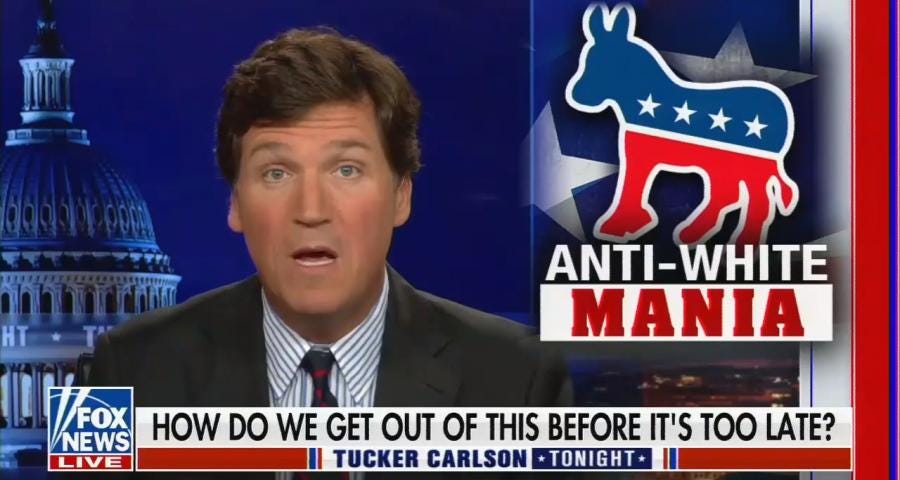
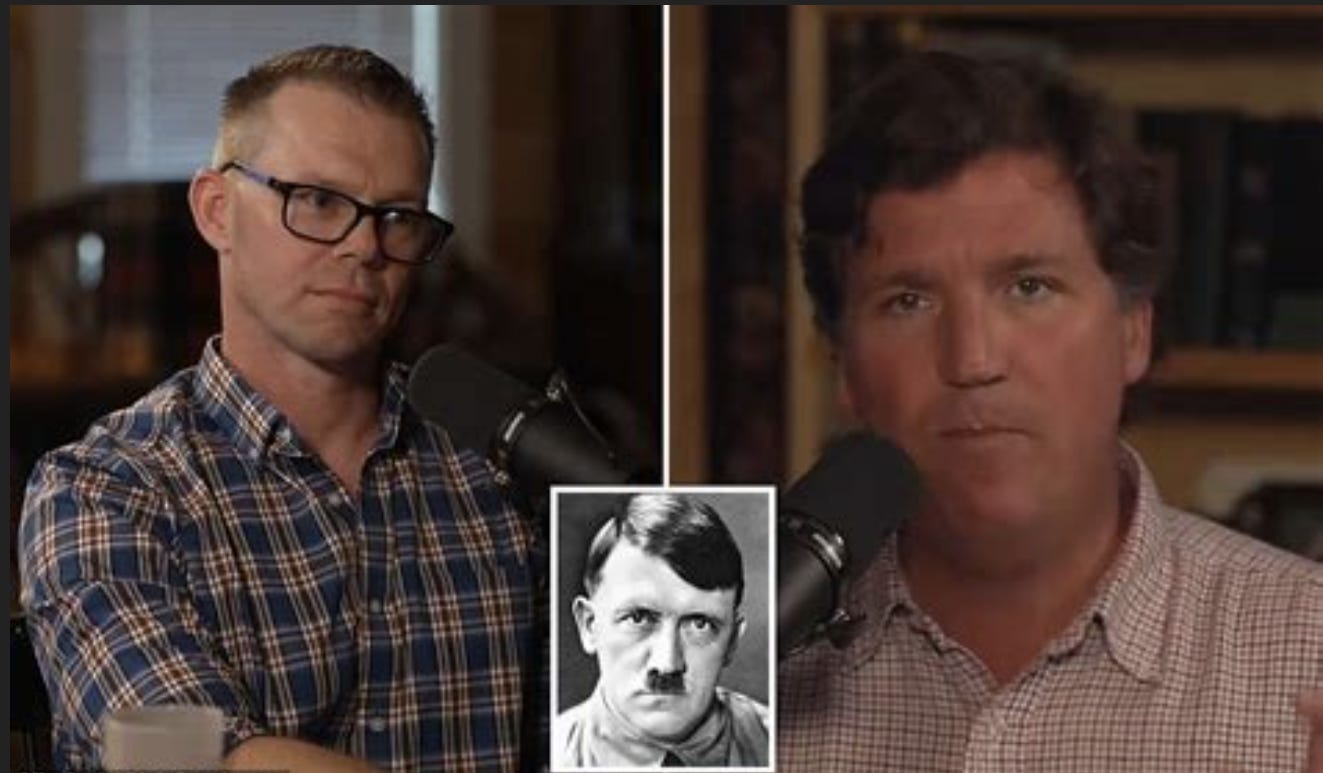
In one recent Carlson interview that raised eyebrows, a guest (hailed by Tucker as an “honest historian”) declared that Winston Churchill was the “chief villain” of World War II – essentially blaming Britain, not Hitler, for the war. This revisionist bombshell reached hundreds of millions via Carlson’s platform.
Was it offensive to many? Certainly.
Fringe and conspiratorial? Absolutely.
But no one got arrested for saying it.
Carlson regularly hosts figures who accuse shadowy “globalist elites” (often code implying Jewish financiers) of treachery, who spin theories about government malfeasance and sinister cabals. It’s red meat for ratings – and it’s protected by the First Amendment.
Boyne watches this and shakes his head: “Why am I in jail when those folks are on air?”
The difference, of course, may lie in presentation. Carlson’s guests couch their extremism just enough as “opinion” or leave actual violence implicit, whereas Boyne bluntly talked about blowing people’s heads off. That undoubtedly alarmed authorities in a way a TV rant about Churchill might not.
But Boyne’s camp argues that intent matters – and his intent, they maintain, was to shock, ridicule, and politically pressure the Connecticut judiciary, not to literally coordinate an assassination. Indeed, if someone else had posted the exact same words about, say, Nancy Pelosi or Donald Trump on Twitter, would they be charged with felony stalking? Highly unlikely (unless tied to a credible plot).
The content of Boyne’s speech – specifically the fact that it targeted judges and was laced with anti-Semitism – appears to have drawn an extraordinary response. His defenders call that selective prosecution. To them, Connecticut is effectively saying: Free speech for me, but not for thee. Mainstream voices can traffic in conspiracies (for example, Carlson airing the theory that the CIA killed JFK), and nobody bats an eye legally.
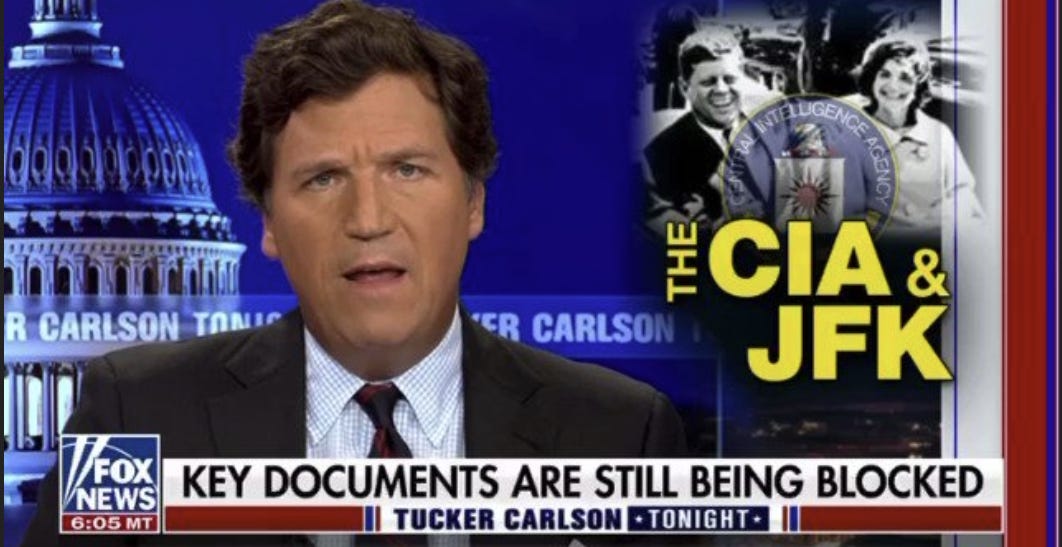
But when an outsider blogger alleges a conspiracy involving Jewish judges, the state brings the hammer down. It’s not hard to see the free-speech concerns in that disparity. Today it’s Boyne – an unsympathetic defendant if ever there was one – but tomorrow it could be a less abrasive whistleblower or a citizen journalist with an inconvenient viewpoint.
The precedent of jailing someone over hyperbolic internet posts sends a chill.
Boyne’s saga is far from over. After eighteen months in pre-trial detention, he finally secured release on strict conditions, including an ankle monitor and heavy supervision. For several months, he complied. He wrote. He prepared his defense. Then, on February 2, Judge Peter Brown revoked his bond and sent him back to jail. The stated reason was Boyne’s alleged role in disseminating a publicly filed State Witness List — a document already entered into the court record. Supporters call the move spurious and pretextual. They argue Boyne shared information that was already public and engaged in core trial-related speech. No violence occurred. No contact with witnesses was alleged. Yet Brown ordered him back into custody, where he now awaits trial once again.
His bond is set to be revisited on February 17. If released, he vows to continue fighting and, undoubtedly, continue writing. “Connecticut courts aren’t just corrupt – they’re incompetent. And I’m going to prove it,” he said, undaunted.
That fighting spirit is exactly what has authorities worried. But in America, we traditionally don’t muzzle a critic because he’s too fervent. Bombast and passion are not crimes. Paul Boyne’s views on a “Jewish family court cabal,” on JFK’s assassination, on anything at all, can be labeled abhorrent, nutty, offensive – and still his right to express.
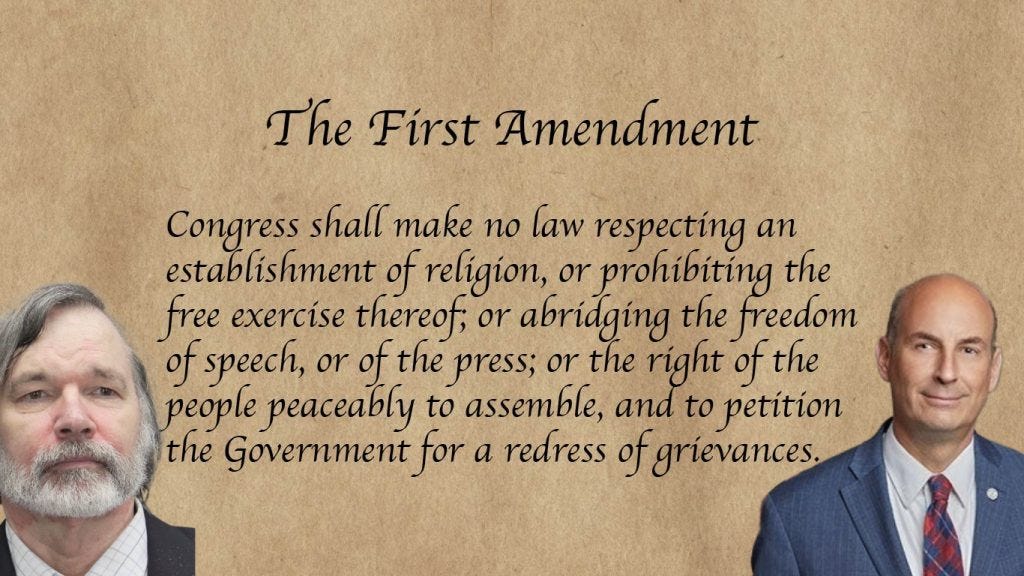
The First Amendment was not written to protect polite, conventional speech; it exists precisely to protect the outliers, the cranks, and yes, the Boynes of the world voicing outré ideas. By criminalizing his online tirades, Connecticut has arguably done what Boyne always claimed: proved his point that powerful insiders will do anything to silence dissent.
Even many who find Boyne’s rhetoric repugnant are uneasy with how far the prosecution has gone. After all, if the state can lock him up for words, what stops them from doing the same to someone on the opposite side of the spectrum next time?
This case isn’t about liking Paul Boyne or agreeing with his theories. It’s about whether we uphold the principle that speech, even hateful or crazy speech, is not a crime – because the alternative is a society where only officially “approved” opinions may be spoken.
Boyne’s ordeal may well become a landmark in the battle over free expression in the digital age. As it unfolds, one can’t help but recall the timeless warning: When you muzzle the worst of us, you threaten the best of us. Today it’s an irate blogger in the hot seat; tomorrow it could be anyone.
And so, unpleasant as his words may be, Paul Boyne’s fight is ultimately a fight for free speech – in all its messy, bombastic, and uncomfortable glory.


